
.png)
Episode #9 with Guido Tebano of Market My Market
Rob Montgomery hosts Guido Tebano, Chief Marketing Officer at Market My Market. Guido is a MVP at Market My Market who leads marketing strategies designed to drive measurable growth and quality leads for veterinary practices. With experience in competitive marketing and business development, Guido helps practices connect demographics, digital marketing, and strategic planning to build stronger businesses.
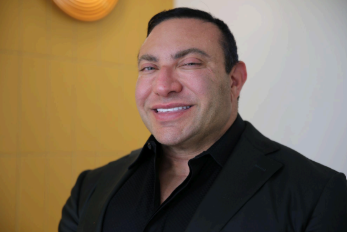
In this episode,Guido and Rob discuss how veterinarians can build successful start-ups by making smart decisions before opening their doors. From demographics and site selection to marketing, technology, and professional teams, Guido shares strategies for setting a new veterinary practice up to thrive.
Rob and Guido also discuss veterinary start-up strategy, including how demographics should influence site selection and marketing, evaluating population growth and competition, and using search data to identify opportunities. They also focus on website ownership and AI searches, pricing transparency, wellness plans, reviews, marketing ROI, and the importance of assembling the right team before signing a lease or buying a practice.
Listeners who want to reach out to Guido can do so at 917-309-3354 or guido@marketmymarket.com, and those who want to reach Rob can do so at Rob@RMontgomery-Law.com.
FULL EPISODE TRANSCRIPT
Bumper
Welcome to the veterinary startup practice podcast with Attorney Rob Montgomery, where Rob and his veterinary industry guests seek to demystify the process of starting up a veterinary practice. Since Rob is a lawyer, we need to tell you that this podcast is for informational purposes only, and shouldn't be considered legal advice. listening to this podcast does not and will not create an attorney client relationship. As is always the case, you should formally consult with legal counsel before proceeding with any legal matter. And now, here's Rob Montgomery.
Rob Montgomery
Hello, everyone. I'm Rob Montgomery, and welcome to the Veterinary Startup Practice podcast, where, as we like to say, we are seeking to demystify the process of starting a vet practice by bringing in experts, thought leaders from the veterinary world to talk about the startup process, what to do, and sometimes, even more importantly, what not to do. We have an awesome guest today, who I will say is the man when it comes to veterinary marketing, Mr. Guido Tebano, and Guido is the kind of marketing executive who just doesn't talk strategy; he delivers results. As the chief marketing officer at Market My Market, he's built a machine that consistently drives real growth for vet practices across the country, turning marketing investments into measurable revenue gains and quality leads that actually convert. Before diving into the vet space, Guido gained deep knowledge in the New York City real estate market, specifically self-storage, where he had to figure out how to stand out in an intensely competitive market where everyone is fighting for the same customers. That's where he perfected his approach of mixing old-school marketing fundamentals with cutting-edge digital strategies. Since joining Market My Market, Guido has led the company's rapid ascent from startup to industry heavyweight. He's built strategic relationships with the financial institutions, brokers, and accounting firms that vet practices rely on, positioning Market My Market not just as a marketing agency, but as a central hub in the vet marketing community, and we're really honored to have him on today. You know, really, there are people, especially in the marketing space, that I see. There are people that—that do it, and there are people that really do it and add value. And Guido and his team at Market My Market are value adders. So now, without further ado, hello, Guido, and thanks for being on the podcast.
Guido Tebano
Thank you so much, Rob. It's a pleasure to be here. I'm excited to talk a little bit about what it's like for startups, and, you know, some of the—the milestones they look to hit, and some of the obstacles they'll get there, and really, like, you know, how we can help be an asset working with you and other key players in this market to really get successful practices up and going.
Rob Montgomery
Yeah, and I think that's one of the things that, you know, I feel like in the vet space, especially because, again, we represent veterinarians, we represent dentists, but I think, you know, a lot of vets are reluctant to—to take that—that—that dive, so to speak, into the startup. But I, you know, as we like to talk about on this podcast, I feel like if you do a vet startup well, and we're going to talk about what that means today, you really can—can lessen that risk and really put yourself in the position to thrive because it's just ownership opportunities in the—in the vet profession can be challenging. It's hard to buy practices when you're competing against corporate. A lot of the smaller practices that are out there that are for sale aren't necessarily desirable and don't have, like, a great upside. And I feel like if—if you're doing the right things in a startup, then you have the opportunity to really launch and do well. And—and—and it's not really all about making money either. It's having the ability to practice the profession where you like, how you like, when you like, which is really an awesome, powerful thing.
Guido Tebano
Absolutely, and we get this all the time, too. But vets should not be scared of opening their own office. I mean, literally, out of all the medical sectors, other than dental invests, you get loans easier than anybody else. Banks look at statistics and numbers and algorithms, and the probability of failing is so low. But it's not about just, you know, opening the practicing and making it—it's like really, really making it. I mean, as companies, we help people a lot, starting with data. I don't want to be a second thought in marketing, so that's how we devise these demographic reports that help you figure out right away where to open and the success from there, too. Because you're not going to change the market. That's—that's the first thing we always tell a doctor we work with, like, the best practices are where you align with the demographics, the type of veterinary practice you want to do, the type of work you do needs to align with what is going on within that market, how far are you going to reach, and who are those people there, and that's really what gets a startup over a million dollars in 12 to 14 months. You know, you're—you're not going to influence someone to go to a vet. It's either you need it or you don't. Like, all the social media you post doesn't make someone want to go to someone as early as the morning in service industries. So, you know, that's really what aligns. But, you know, I mean, it is really, really hard not to—to make it. You know, so I think people get in their own head, and especially, you know, vets or the dentists we work with, too, similar to you. And you're—your own worst enemy, you know. And honestly, the startups do better going into year two than an acquisition most of the time because you get exactly what you want. You're getting a brand new practice. You know, you get to do it exactly the way you planned and see from day one, and then you're not getting into this point where you bought someone else's practice or retiring that, whatever it may be, and then you have to renovate, do all sorts of stuff, and you're two or three when you're actually making some money. Right, right. Yeah, I think—I think that's important on startups.
Rob Montgomery
Yeah, and I think a lot of people kind of get, like, overly obsessed with buying something that already has cash flow, but buying something that already has cash flow may have a much lower ceiling, like you said. Like, maybe the first year you're doing better with an acquisition than a startup, but then, you know, year 2, 3, 4, 5, 6, keep going. As a well-done startup, you may be doing exponentially better than you would do if you bought that small practice that had its limitations.
Guido Tebano
Yes, that's right. And now that we're in this, like, a good been about a vet about four years, but really in it with the startups over the last two, I have my vets coming to me in some markets, and they're opening second locations. They're like, "Hey, Guido, like, what does this look like from demographics? Like, I'm busting at the seams. I have six ops. Like, you know, I feel like I'm hitting my ceiling. What does it look like to open another?" And we figure out with demographics: Can you open another office? Should you expand? Should you bring on an associate? Because at the end of the day, I think people look at, or we've been conditioned to look at things the wrong way. We look at how many vets are in that market, right? And we get very hung up on this number, right? There could be VSOs, there could be, like, you know, doctors that don't do anything. There's just a lot of factors that come in. There is one number that sticks out more than anything, and that is the number of search volume for those keywords every month. Like, if I am looking for you as a vet, I'm looking for, let's say, Dr. Robert Montgomery. That is a branded search, right? I am not saying I need a vet near me. How much is a new puppy? Is it all these broad keywords? That is what makes or breaks a market. If that search volume is not high enough, you are not going to be able to make it or get to those numbers in that market. It's very simple. I don't care how many other vets are there, saturation, all this other stuff. That is the main thing we look at when we take on a client. And then the second thing is how competitive that is. Meaning, how many reviews do those vets have? So, there's a couple players in that market, and there's a lot of search, and they have 1000s of reviews, and you're coming in, and you're the startup. It's going to take a lot of time for you to gain traction there because human behavior kicks in. It's not the more reviews you have, the better you rank in Google or ChatGPT or all these other things. It's once we get you to rank, it's the human decision, and this happens all the time in service industries. Let's say you got a flat tire, like, I need to get my flat tire fixed near me. You see three that pop up on a map. There's a new guy with 33 reviews. There's one guy with, like, 400, 4.9, and another guy with, like, 300, 4.8. You're going with the first two before you even call the other one with 33. Your eye doesn't even go to that. You've been conditioned, so that is what we look at, too. You know, followed by how much do you like? How much is it going to be to acquire those clicks? We can look at all those metrics also, and that's what makes a successful practice.
Rob Montgomery
So that's—and that's really powerful stuff. And I want to kind of walk this back a little bit and sort of look at this big picture. And this is what I really respect about what you do, and find it to be really powerful. And frankly, what differentiates you from a lot of other people in the quote-unquote marketing space. You know that you don't just look at demographics. Well, frankly, you're a marketing firm that—that looks at demographics first of all. But, like, demographics, you know, in a vacuum, you know, just by themselves, don't tell the story. I mean, I like, you know, and I think this is what—what you do so well. And I want you to speak to this, that you have this intersection of demographics and marketing, and your—your, you know, the marketing is driving, you know, is—is driven by the demographics. The demographics is driven by the marketing, and you take that more holistically. I think one of the mistakes I see that people make in the—in the marketing world, they hire a marketing agency, they say, okay, we built you a website, we have social media, we paid for, you know, Facebook advertising. We paid for Google advertising, but, like, none of that stuff is really. It's all being done sort of like piecemeal, and there's nobody kind of looking at the intersection between the demographics and the marketing and how that works. And I—and I—I would like for you to just kind of speak to that a little bit, you know, and how, you know, how you approach that, and how that's different from others in the space.
Guido Tebano
So the first thing I always say is that, you know, we do these demographic reports for free, but that doesn't mean we're taking you as a client. I don't know. We literally have nothing invested in this stuff. We kind of look—act like, you know, we're—we're in the middle and consultative, so it usually starts with someone calling us. We only work on referrals, so I want to know someone's recommended you to us. I feel like that has been the key to our success, too, because you've been vetted by a banker, a broker, a CPA. Someone has vetted you and tells me that, you know, you're—you’re—you’re legit. So, and then it starts from there, and we get kind of a couple different, like, sort of situations. One, it's like I have no idea where to open. I mean, we've literally got this where it's like I'm considering, like, Idaho, North Carolina, you know, Florida, and it's like we have to look at, like, a very broad range like that, too. Or they know exactly, like, sort of an area where they're going, but they have a non-compete, so they have to figure that out, too. So we get these different situations, but it all starts with the Q and A on who you are as a vet and what you envision your practice to be, right? Because some vets don't want to do surgery, some don't want to do urgent care, right? And if that doesn't align with what's going on with that market, then it's not going to be a good fit. So we ask a lot of questions: What are you comfortable doing? You know, what do you envision this? What's your ideal client? Do you speak any other languages? You know, and we—we align that, too. How far away from where you live do you want to work? For the most part, we deal with a lot. I mean, we do have some some corporate clients, too, but they're on the smaller side. But for the most part, we have single to multiple practices owned by, like, a, you know, a single owner, private sector, you know, and we want to make sure that everything aligns in exactly that, too. So then the couple things that we look at when we start looking at broad areas. The first thing is that I want to get you in front of about 100,000 people. That seems to be the metrics of population where we don't really have to worry about competition, and you have enough people with vets. I mean, sorry, people with pets and other things that you're kind of looking for. The second thing is the median income. Okay, now this also affects, like, what is going to go on in that market, too, and how much disposable income they have. Also, again, you get some people that, like, they're like, I want to open in a very wealthy area. Some people want to help the community, so it also has to align with what they envision, too. And the third thing is, is that you really do not want to be in an area with negative population growth right now. And there are some areas like that: some parts of Florida, California, New York, Texas. So you want to be in an area that has good growth. And we're not talking about now, but we're talking about over the next, like, five years.
Rob Montgomery
Well, that's interesting. So let's just—can we just stop you for a second on that because that's interesting because we—we do see a lot of clients in Texas and Florida, specifically in those places, in North Carolina, which we consider to be sort of the migration states where a lot of people have gone in recent years. But it sounds like you feel like maybe are you saying that maybe those markets might be a little bit maxed out?
Guido Tebano
They are, and I'll give you an example. The other day, we had a client that was looking in the area of Palm Coast, Florida. It has 22% growth post-COVID, right? But when you look at where the growth is coming from, it's 55 and over. And we had a client that wanted to open a veterinary practice there that is the complete wrong market for there because that, like, there's two groups of people you want to target for a really successful practice. You want to target the moms because they have kids, right, and they have, you know, they're going to spend money on pets, and you want to target that 55 and over, but under 68, because once they start getting over 68, and there are a little exceptions here, you start getting into the nursing home age where it's not going to really be a companion pet. Now that area, Palm Coast, again, in Florida, which has tremendous growth, has all 55 and over. Which means, like, you opening a veterinary practice now is not really going to be sustained over the next five to 10 years. Right. You know, as they move out of that 55 population into—to whatever, too, it had the wrong mix. Right, right. Again, you have some, you know, Dallas-Fort Worth area is really great, too. There's some oversaturated areas, too, and populations have started to go a little bit on the negative side in micro markets. Same thing, like Charlotte is a great area. It's kind of oversaturated right now in some areas, right? So you're starting to see a little bit of a negative population decline there as they start to move out to other parts of North Carolina and South Carolina. So again, you know, you have to dig into that a little bit more. But our tool looks at a couple factors. It looks and it scrapes together, like, permits for housing development and, like, what's going on there, too. For instance, if you look anywhere in Florida along, like, the—like Panama City, Dustin, Rosemary City, you can see the growth is amazing. You really can't miss your mark by opening a veterinary or a dental practice there right now, and you can see the number of housing being put in there over the next 10 years. It's tremendous. Like, you want to see that stuff, and we literally can see the permits being pulled and what those developments look like, and—and we look at that, too. You know, the other thing that we also look at, too, is there's a tool we use called Local Falcon. A lot of agencies use it.
Rob Montgomery
Local fact, you said.
Guido Tebano
Local Falcon, like Falcon Bird. So what it does is it simulates Google searches, right, and it tells you how far people are traveling from what's going on with, like, Google Maps that we use all over the place. Just as a side note, we can talk about just the exciting news. This morning, Apple Maps launched ads, which is tremendous because it's an amazing platform, which is going to change digital marketing, and we truly believe that. And that's like going live to people. We'll talk about Google Maps because everyone knows that for right now. So it simulates how far someone will travel because you use it all the time. This is very important because when you give me an address for where you're opening or an area, I need to see how far someone is willing to travel, and this changes depending on population growth, right? So if you're in downtown Philadelphia, right, people are not going to travel that far out of their community. Maybe it's a mile of two. New York City is blocks. You know, parts of New Jersey, like Clifton, Franklin Lakes, where I am, four miles. You know, so this changes, and in more rural areas, it could be up to 20, 20 square miles, 400 square miles in every direction. So you look at that, and that maps out the service area, and then you start to see how other vets rank there, and what percentage they have on this grid system. And this is called a share of local voice out of 100. How much you rank? What it does is it simulates, like, if I drive a quarter of a mile down the street, how am I going to rank for vet near me, veterinarian, animal hospital, all these things there, too? So this is so key to seeing a lot of different things, like how, you know, you're going to do in that market, how competitive is all these other factors. So this is a tool that, as an agency, we have to use anyway, and most agencies should do, too. But we have factored this into figuring out how a vet will do when they look to open in a location of the market. And I think that's really important.
Rob Montgomery
Let me just stop you for a second and really highlight that. So everything that Guido is talking about here, listeners, is this is before you've selected your location, and again, this is where the—the intersection of what—what Guido and his team at Market My Market do, where we intersect with the demographics and the marketing in a more cohesive strategy, where, you know, we're not just saying, "Hey, I'm opening here. I signed a lease, and now marketing agency, help me market the practice to find clients and patients." Right. So, like, at that point, it's kind of too late, right? I mean, so, I mean, once you—once you've picked wrong or gone into a place that maybe you don't have the right population or there's too many vets, whatever the case may be, you can market all you want, and—and the—the returns just not going to be there. But this is—this is key, listeners. That, you know, what we was talking about. This is—this is informing where you are opening the practice. So this is just—this is beyond marketing. This is site selection, market selection, which is then, you know, Guertse is going to talk about and is how—how the—the demographics in that market work with what you're doing from a marketing standpoint. But really key, like, this is where, you know, DIYing this stuff, either demographics saying, like, yeah, I bought a demographic report, and then I hired a marketing company, and then I hired a realtor. You know, like, yeah, sure, all those things you've checked all those boxes, but you may not have done those things well if you're not doing them collectively.
Guido Tebano
That's right. So we work a lot with the realtors up front because before they even start showing the locations, they have them talk to us. So we have a really good idea because we can ping, you know, 20, 40, I don't care. You can give me 100 locations, and I'm going to rank them and tell you the best ones to see, and the reasons why. You know, so other things that we look at, too, that looks at a successful practice is, like, we do these gap analysis, right? So one of the things that a lot of vets want to know is, like, well, what can I charge in that market? Because this isn't like dental. There's really no insurance, even if there is sort of that—that pre-notion that there is. So we map that out, too, like, what are people charging in that market, and then another gap analysis we look at are hours that you're opened. Right, this is this, you know, we can see, and this is how granular things get. The time of day people search and how much volume that there is. So even if you want to open, like, an urgent care clinic, that doesn't mean to mean you need to be open till 10 o'clock at night, right? What we also started doing now is we started factoring in the bigger businesses that are open in an area and the hours that they're open. For example, we did one the other day, and they were totally off on their hours because there was an Amazon warehouse that was open there, and they closed at like 6 o'clock. And when you looked at the— median income in that area—it’s a two-family, you know, two-household income type of place, which means that if you want to get market share, you probably cannot open, like, nine to four every day. You need to adjust your hours a couple days a week to meet the needs of there, and probably open nine to one on a Saturday. So, little changes like that, looking at the gap analysis for hours, make big differences with market shares because, let me tell you, even as many as great reviews that you have, at the end of the day, people have to work, and if you're not meeting the needs of that community, long gone are the days where they're gonna, like, take off work and go to you. They're gonna find someone that fits their needs. This is just how things are. You know, it's very easy now to ask ChatGPT or Google, and that's a whole other thing. People ask ChatGPT questions all the time, you know. So this is shaping how people search and the opening of practices, you know. I actually, and this is a good thing, too, for—for all of us. And if it makes you feel better, I truly believe that the next year is the best time ever to open or acquire or buy a practice.
Rob Montgomery
Tell us why. Yeah,
Guido Tebano
Yeah. Traditionally, it's been just a Google search, and again, you know, word of mouth. But you have all these new platforms: ChatGPT, Quad. Like I just talked about, Apple Maps. Think of all of you that right now are in your car driving around that have, you know, Apple Maps that it's a false to. You know, like, literally, it's in your car. Apple CarPlay, it's there. There's millions of people on this platform now, where it's like you're driving around. Boom, your clinic pops up, you know. And everybody that's been open forever has, you know, the—the reason why this is so relevant is that a lot of people use Google because of the Google Business Profile, which is where you leave reviews. Well, as of today, Apple Maps has launched that same version, so now you have a whole new platform with millions and millions of people on it that are going to start leaving reviews there. That's going to cut out Yelp that it was defaulting to because they have their own user base, and they're going to run ads for a fraction of what Google ran. So there's this whole new platform. It's so easier to get market share for cheaper, and the same thing. Chat is beta testing now. We got a few vets approved into it, too. So, I mean, this is a whole new platform where you're asking ChatGPT, my new puppy is throwing up. What should I do? Oh, it sounds like this. This you should call this vet. Boom. Here's what they say about them, and it attaches the phone number. So, you know, the way the world is searching has changed drastically, and it's much easier to get market share, which means it's much easier to get a startup and get in front of those people than ever before. Because vets do not like change. You do the same thing over and over again. You know, you come to me down the factories, like, my numbers are down 15% this year. It's like, well, yeah, because you're not getting in front of new people in a transient market that are moving into the area that are not searching for you in the same way they did before.
Rob Montgomery
Right?
Guido Tebano
So that's the exciting part.
Rob Montgomery
It is exciting, and, you know, I think that this is one of the things that we were talking about, sort of skirted this before, and we were talking about a startup versus an acquisition. You know, like, if you—you buy somebody else's practice, you know, you're—it's kind of like buying somebody's used shoes, right? You know, it's not yours. It takes—takes time to fix it. But, like, when you look at—at opportunities from a startup, you know, like, you get to—to do everything right, new. What's current? What's—what's best practices? Like, I could tell you. I mean, I've had my practice now for 29 years. If I started up a law firm tomorrow, Guido, it would look very, very different than what my law firm is now. And—and granted, I mean, I've made a lot of changes over the years. I've—I've been dynamic, you know, and I've tried to shift when I needed to shift. But it's really—it's a lot easier to start from scratch than it is to make changes and—or fix something that's existing. So, you know, when you're out there evaluating a startup opportunity, you have the ability to use best practices, state-of-the-art demographics, marking, all the stuff that—that Guido's talking about, to really launch a successful practice that gives you a competitive edge over somebody that's just like, remember that old Dunkin' Donuts ad, you know, "time to make the donuts," right? You know, like somebody that's been doing that for decades, right? I mean, honestly, you have the opportunity to roll them when it comes to new clients. Now, now you may not be taking business away from them. You don't necessarily need to, but now, you know, with new business, new pet owners, and certainly in the vet space, unlike other healthcare verticals, you know, people are getting new pets. You know, it's not like you're always necessarily getting new humans, right? So every time somebody gets a new pet, you have—it's a new opportunity to develop a relationship, and I feel like the startups have—have the edge over existing practices for the reasons you're saying.
Guido Tebano
Yes, there are a couple other things I think, too, that are pretty interesting to note. Also, one of the questions that we get commonly, too, has to deal with pricing, right? Coming off this post again. We always talk about this post-COVID era where pricing was so high, like, you know, I think a lot of debts had to adjust to what people are doing and price shopping. But, like, you should not be scared of that. One of the things we're seeing for, like, our clients that rank the best is something called pricing transparency. Okay, you use this every day in service industries, right? You don't go to a restaurant without seeing how many little dollar signs or the range that it is, you don't, like, go. You know, I mean, it's everywhere from buying a car. So what these AI searches are looking for is ranges, right? How much is a new puppy visit? A new puppy visit could be between X and X. How much is it to spay or neuter or whatever it is, or to get a vaccine? So I don't need to know exactly what you charge, but I need to be able to show a range when someone is searching and that bot crawls your site. Okay, this is what leads to stickiness and people coming. The second thing that we're seeing trending like crazy are these wellness plans, which are showing up all over in medical, especially in dental and other things, too. Where it's like, you know, you charge. It's like a membership plan. You're charging X amount. You get, like, you know, whatever visits. You're pretty much creating your own, like, sort of in-house insurance, and they're really trending in markets. And it's something, too, to give you a competitive edge because they're paying monthly towards whatever, you know, visits or bills that they're getting, and you're just, like, you know, you know that they're going to stick and come back. So these are the things for a startup you really want to look into and see what that looks like. The other things, too, is again, looking back to the demographics. It's like, you know, that ideal market is, like I said, is like having enough kids and moms that bring the families and that 55 and over. And then looking at, you know, are there other languages being spoken that in that market? Going back to, like, Texas, California, there's some markets that have over 30% Hispanic, or whatever it may be, or Asian or whatever, too. So making sure that, you know, if you're going to open there, you align with the community, or at least you have someone on your staff that does at least answering the phones. I mean, that's, like, key to succeeding, and we've seen this a bunch of times where someone comes to us and, like, I want to open here, they just don't align with those, with that, you know. Right, right. So, and that's sort of a big thing to success. I mean, culturally, you need to align with what's—what's going on in that market also. So, and then kind of looking to now we're getting.
Rob Montgomery
Which can I just hold that thought for a second? Let's just go back to that, too, because again, this is where I think sometimes people get tripped up when you say, you know, I bought a demographics report, you know, online. It's not necessarily telling you whether or not the vision, what you're looking to do, the vision for your practice, is going to work in that particular market. Just giving you raw numbers, right? And so, without—without kind of taking that next step and the step after to kind of drill down and then try to match what you're doing with the market that you're—that you're you're evaluating, you're really kind of not setting yourself up for success.
Guido Tebano
Yes, exactly. So I think, you know, one of the great things we do is we charge nothing to these demographic reports, and I'll run them over and over. And it's not like we just send them to you. We get on the phone and talk you through it. And again, everyone always is like, "Well, what do you guys want?" And I always say the same thing. I don't know. I don't even know if we want to work with you as a client. I mean, that's been the key to our our success in having so many, you know, amazing startups that get over that that metric and even acquisitions. You know, it's like, you know, helping you identify from day one what is the right place for you to open based on X, Y, and Z factors, and from there we see if it's a good fit. If I have too many vets in that market, you know, I'm not going to take you as a client either because there's only just so much to go around. So that's another important thing, too. I think, you know, a lot of people, a lot of vets when they open, like, marketing comes second, right? But again, going back to what I said, the marketing and, like, there's no package with us either, right? Because, like, you could pick an area in, like, West Virginia and, like, mailers work there, but you do the same, like, type of veterinary, you know, nice boutique clinic in Chicago, and there's no way that's gonna fly. So again, the demographics have to dictate the marketing strategy, and then looking how competitive it is, what we should do, and that divides it. And those are the type of clients I want to kind of work with. And we want to start as early out as when you sign the lease or you start building, because it takes a little bit of time to build a good website that you should own. A lot of that's come to us.
Rob Montgomery
Yeah, let's talk about that because that's one of my questions. Because, you know, just say this: you know, it's when the marketing world, you know, when people hire a marketing agency, that can mean so many different things. You know, it's in terms of scope of services, quality of services, professionalism. You know, it's just—it's not like, you know, if you go to the event and get your pet spayed, like that's—there's, like, a known identifiable task that's being completed. But when you say, like, I hired a marketing agency, that can mean anything, right? So one of these things that's a real, real snake in the grass, which you're starting to say, I want you to—I want our listeners to hear this, is, yeah, the importance of owning your website, which is—you would think that's intuitive, but not necessarily.
Guido Tebano
Right. So one, you want to own your website, and preferably, right now, the best platform for that seems to be WordPress, just because of the plugins, the easy use, the amount of content, and the—the reason that right now it's not just physically what it looks like. That site has to get crawled by a bot. Everyone's like, "Well, how do I show up on ChatGPT?" Well, that's how. And if your content, which a lot of these marketing companies do, is the same as their 1000 other sites that they have, there's no way you're going to rank. So, literally, what does that mean? It means we need to interview you. We need to story-brand it. You don't put up procedures. You don't do it. Has to really be on point. The visuals come in secondary, right? But again, you know, it's—it's so hard because, again, it's like I don't want to, like, offend anyone, but, like, when it comes to a vet, like, it's a very fast buying decision. Okay, you either need to go in because the dog needs to go, or the dog or cat or pet is injured or something, too. So there's a pain trigger or whatever those may be that causes them to, again. Much as you love your vet, you don't wake up in the morning and go, "I really want to take my pet in and get charged."
Rob Montgomery
Right.
Guido Tebano
You know. So it's—it's a service industry going back to that. So that means the buying decision is very quickly. They ask a question. My puppy is throwing up. Whatever it is. They look at the reviews. Right. Then they land on the home page. The home page has what's called CTAs, calls to action. What are those calls to action that are trending in best? You know, are you accepting new patients? Do you have walk-ins? The hours that you're opened? Do you have a wellness plan? Are you having pricing transparency? Do you speak another language? Then they go to the doctor profile and about the staff, and then they go to the contact us, and it's pretty much that's the progression. Okay, it's fast; it's about two minutes. It's less than that; they usually don't convert. And the same thing on a phone call, if you're having very transactional conversations, when, you know, they call, you're not going to convert those patients either. And that's more like, you know, you go right into the price instead of talking a little bit about the practice, what to expect, things like that, too. And that's all, you know, internal training. It's not really your marketing that reflects that. My job is to get your phones to ring with qualified patients, to get you in front of the right people. But, like, it's like running a relay race and you drop the baton, you know. So there's a lot of components to good marketing.
Rob Montgomery
Yeah, and let me just circle back. And this is one of the things again, you know, that differentiates you. You know, I mean, we've talked about a couple already, but I think people need to understand that there's more to marketing than just paying Google or paying Facebook or Med or whatever, and expecting that that's going to work. You know, it's like if you—and anybody can do that. Frankly, I mean, if you're—if you're working with a marketing agency and that's all they're doing, then you probably don't even need them. You know, like, you can do that yourself if that's—if that's really all you want to do. And I'm not saying you should. I think there's a better way to do it, which is what Guido's talking about. But, like, I guess my point is there's very little value to that, and, you know, we've seen that when people are like, "Oh, I spend all this money on Google Ads. I spend all this money on Facebook. You know, I don't have more—more clients." You know, it's like, well, you know, because it's not backed up. It's not integrated with everything else that you're doing with—with your website, your vision, where you're located. All that stuff has to go together. Otherwise, you're just—you've got this, like, just hodgepodge of, like, effort and money being spent that's not leading to success.
Guido Tebano
That's right. And if you're not willing to, like, it's—it's a team effort. You know, that's what we say. The best practice: have a team. I am not just someone who's sending you a report. We have, you know, account managers that are in your market. You know, we're nationally, and, like, we meet every two weeks. If you can't make that commitment, and I care more about the practice than you, then, like, we're not the right company for you. You know, and again, you have to be able to track an ROI, a return on investment. So we have to be able to record the calls, assign value to them. Was it a new puppy visit? Was it an emergency? Whatever it is, and really look at the origination point and give you ROI reports. Like, I love when a vet comes to me and they go, you know, "Oh, this is too expensive." This—like, first of all, marketing is not—should be an expense. If it is, then there's something misaligned. You should be able to get a three to five time ROI on a good marketing company. So if you give me 3000, I should be able to get you nine to $15,000 back easily, easily for what I'm doing, you know. And you should be able to track that. If not, there's something going on, and there's a disconnect, right? And, you know, the other thing, too, is, like, we really want clients that are out of transition. So what does that mean? Opening a practice, buying a practice, bringing on an associate, expanding. What I don't like, and I tend to shy away from, is when you've been at, like, four or five marketing companies, then you have an internal issue, usually for the most part, that you need to fix. You shouldn't do anything until you figure out what it is. Is it intake? You know, is it? And the other thing, too, is reviews. So we explain this. So, we as an agency, I will not take a vet less than 4.5 stars, pretty much. Okay, we will scrape the internet and look what's going on because human behavior kicks in then. So there are some exceptions to this because animal hospitals that are open 24 hours—and we don't have a lot of them at this point because I see the market is kind of shifting away—it's very hard to get them, like, really good reviews because you save someone's dog at two in the morning, or cat, and you send them a bill, and they hate you right away, even if the best right of the word.
Rob Montgomery
No good deed will go unpunished, right?
Guido Tebano
Right, exactly. So that's a little bit hard, but, you know, it's—and again, if you're buying a practice, one of the things you have to look at is what's their review ranking because if it's too low, like you have, like, two, 304.1, stars. You need to rebrand. You know, it's gonna—it's gonna take a lot more reviews to just get you to that 4.4 star ranking, and it's not worth it. It's not worth it. Right. So we look at that, too. But again, like, you know, the reviews matter for human behavior because even if I get you to rank and I'm the best at what I do, they're not going to convert, and we're not going to have a good relationship. So we've moved away from that, and we're pretty strict about adhering to that review mark for—for taking on new clients. So we will look and see if you're at a current practice or what that digital footprint looks like if you have one. Yeah. Yes, it's important to ask for them and kind of look what that looks like.
Rob Montgomery
Right. That makes—makes perfect sense. Makes perfect sense.
Guido Tebano
But the exciting part, like I said, is that, you know, I mean, it is really hard to not make it as a new startup vet. I mean, like, again, but it's not just making it. You want to do well, take care of people. For the most part, you know, they don't really teach you business skills at veterinary school. So you know you got to hire a—you got to hire a team that, you know, is on your side and really helps you with all those things, too, so you can do what you're good at, which is being a vet, taking care of pets, and really having the relationship with the—the owners, which is what you want. Yeah, and hire the experts to do it.
Rob Montgomery
And—and—and, you know, and if you're doing that and it's your practice, and you get to do that in the way that you want to. As I said a while ago, that—that's the most empowering thing to owning your own professional practice, and I think it's really—it's really exciting. And I mean, I think also, you know, I hear a lot of lenders throw out that stat how low the default rates are. But to your point, you shouldn't be going into this, saying I'm trying not to fail. You should be going in saying how much am I going to thrive? And—and that's—and that's really what we're talking about. Nobody leaves the house in the morning and says, "What's your goal for the day? My goal is to not fail at what I do." Like, yeah, that's—that's a pretty low bar. Let's—let's—let's—let's try to do a little bit better than that, but, you know, and—but you said it's really hard to fail with this. It is if you're doing things right, but I, you know, and I'll say this: this is, you know, may seem like a cheesy plug, but, you know, if you are DIYing all the stuff that we're talking about, you do have a chance at failing. There's no doubt, you know. But if you're not, if you do the right things with the right people at the right time, you really, really stack the deck for your success. And the people that I see that are sitting around groaning on Facebook groups and blogs and complaining that they did a startup and they're not making any money and how they can make ends meet, you know. And—and when we talk to those people, and I ask them, who did you work with for, for the space, the loan, the marketing, the legal, and it's like, you know, nobody, you know, and, like, well, I—I don't really, I mean, that takes nerve to just open up a sign a lease or buy a piece of real estate and just hope it's gonna happen. Like, whoa, I mean, you want to talk about risky? That's risky, and they're the people that—that we see who are complaining about not thriving. It's because they just haven't done the right—the right thing.
Guido Tebano
No, absolutely. I mean, having the right team is essential for anything you do in life, and then, you know, holding everyone accountable and working together as a team is really, like, key. So, you know. On that note, like, the time is always the right time. I feel like, like I said, a lot of vets. So we say that they're—they're trying to time the market or this, that, the other. It's like there's only so many vet schools. Okay, there's more and more people getting pets. Right, it's an amazing market to be in. You're gonna make it. You know, you just have to start off on the right foot, which is, like, figuring out the right place to open and getting the right team aligned for you, also, and then making sure you budget accordingly for each thing, because, like, there's a return on investment for everything. So, like, you know, don't just build the office without having a budget for—for marketing, or don't think, you know, on the legal side, not setting up the entity right. That's also another..
Rob Montgomery
Or signing some shabby lease, you know. But let me say, but that's—that's the thing. There's money available. There's financing available, and the financing covers all these things. You know that you should borrow enough money, spend enough money to do it right. This is not the time to cheap out, right? So you want to—you want to make sure that you have a large enough loan that allows you to hire a good marketing agency to be able to put yourself in the position to succeed. This is not the time. There's no award for the cheapest startup. Nobody cares that you spent a little bit of money and don't have—and have only a little bit of—of patience. Like that. That's not a victory in this. You don't spend money like a drunken sailor either, but you have to do things tactically where there's an ROI, and—and when it comes to marketing, there's no substitute for this. And I think, you know, as we wrap up, I just—one of the questions I had, which we don't—didn't get to because we didn't need to, and this is again what I really think what you do is awesome in your approach, Guido, is when do you hire a marketing company? You don't hire a marketing company after you've signed a lease, after you've signed a real estate purchase agreement, or after you've bought a practice. You hire a marketing company before you make those decisions to inform whether or not it's the right place at the right time, and—and that's where the value comes in. And I think it's really important for people to—to hear that and understand that that if you do that and do that at the right time at the right people who are providing the right services. Again, we could do a whole hour on what some marketing companies don't do, but if you do it with the right people at the outset, you can really put yourself in the position to succeed.
Guido Tebano
That's right, I agree. And even us, too, when we start very early on, because now it's to the point where it's like, "Oh, you help my friend? Can you help me?" It's like, I have a colleague from vet school. You know, we make sure they have the right team from the bankers, the broker, the CPA, the attorney, like, that is the key to success. And when they don't, like, we're a little nervous to, like, take them on, and we—we—we pass, even though we will help them with the demographic study. So, you know, what you said is key. It has to start early on. And again, you know, finding the right location is—is how the success is going to come. Not, you know, you kind of winging it. You know, and you think this area is going to be good because I can't even tell you how many times we've spoken to people, and they're like, "Oh, you know, I—I just know this area is going to be good," and then it turns out it's not. Yeah. Or they give us five or six locations, and the one that they least suspected is the best one to open in, and then they come back a year later when—or we're working together—and we're like, they're like, "You're—you're right. Yeah. So demographics don't lie, and neither does data.
Rob Montgomery
Well, yeah, but Guido, it's—it's right next to a Publix, right? I mean, it's next to a Publix grocery store. It's got to be good, or there's a Starbucks in the shopping center. There's, you know, it's like, so what?
Guido Tebano
That's a whole other call about retail and how people have the wrong perception of it. I mean, you could have a vet office next to, like you said, a Publix or a Starbucks, and you will not pay attention to it unless you actually need it, because that's the way the world works. And if you have kids, you're definitely not paying attention to anything unless you—you need it.
Rob Montgomery
Well, but you'll—you'll pay a whole lot of rent, though, won't you? Though, for the whole—a lot of rent.
Guido Tebano
Yeah, right. Right. Even—even AI is changing, you know, the search and that whole concept, too. You know.
Rob Montgomery
Right, right, yeah. But it's a very—it's a dynamic world, and, you know, it's really—this is why, you know, I think it's important for our listeners to—to get this and grasp this. That it's even more important now than ever to be working with somebody who's on the cutting edge, that knows what's going on. That's—that's ahead of the curve when it comes to these things and is—because it is such a—an ever-changing, evolving market, and—and what marketing looks like and how people interact with the internet and—and AI is—is—is crucial. And so, if you're not working with somebody that—that understands that, you're not working with the right people. And so, you know, on that note, Guido, I know you don't just take cold, you know, people off the street, but maybe if—if it's one of my listeners, we'll—we'll ask you to—to chat with them. Absolutely. But if people want to learn more about Market My Market or get in touch with you, what's the best way to do that?
Guido Tebano
You can either send me a text by myself, which is 917-309-3354, or [guido@marketmymarket.com](mailto:guido@marketmymarket.com). Or you just go to Market My Market, and you can see the link for me, marketmymarket.com. And we're pretty easy to—I mean, my name is Guido. It's not that hard to—to type it in and see what pops up.
Rob Montgomery
Sounds good, and—and that all that will be in—in the show notes, too. That's good stuff. But yeah, Guido, thank you so much for taking the time, and, you know, I really admire what you do, and, you know, real professional, and—and add lots of value and do awesome work for your clients. And thanks for—thanks for being here.
Guido Tebano
Thank you for having me.
Bumper
Thanks for listening to another great podcast with Attorney Rob Montgomery. And don't forget to tune in next time to have the process of starting up a veterinary practice demystified. For more information about today's podcast, or to contact Rob's firm, go to "www.yourvetlawyer.com".
.png)
.png)

.png)