
.png)
Episode 159 - Jamie DiBease: Get Found, Get Seen, Get Chosen: The Key to Growing Your Dental Practice
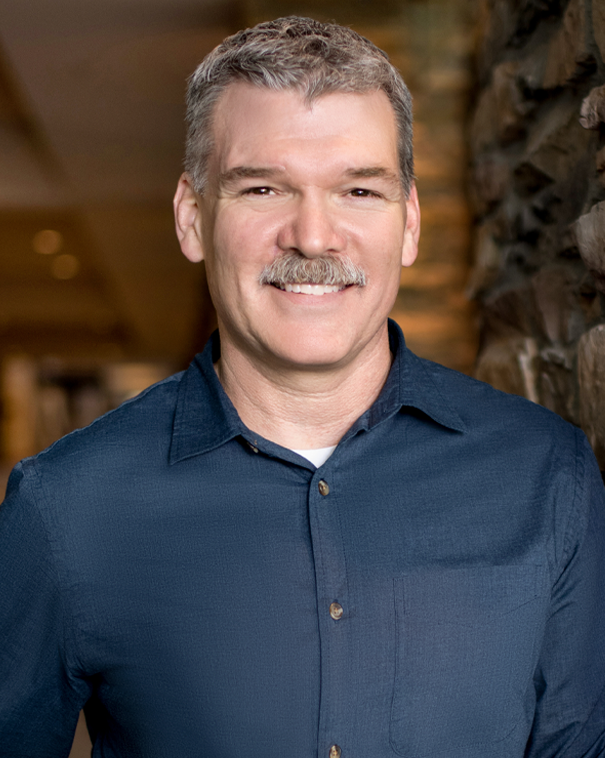
This week, the Dental Amigos welcome Jamie DiBease, owner and chief strategist at Dental Marketing from Day One, a dental marketing company focused on helping practices get found, get seen, and get chosen by their ideal patients. With more than 30 years of marketing experience, Jamie brings a practical, results-driven perspective on how dentists can build a stronger presence and grow their practices.
In this episode, Jamie shares his background and journey from engineering to marketing and eventually co-founding Dental Marketing from Day One. He discusses why some great dental practices remain invisible online while others dominate their markets, what makes a dental website actually perform, and how SEO, Google Business Profiles, reviews, content, and branding help practices attract new patients. Jamie also explains why dentists should value their time, avoid trying to do everything themselves, and build long-term relationships with marketing professionals who understand their practices and goals.
To learn more about Jamie and Dental Marketing from Day One, visit their website or reach out to Jamie directly.
• Website: https://dentalmarketingfromdayone.com
• Free Initial Marketing Consultation: Available through the Day One website
Listeners who want to reach Paul can do so at Paul@DentalNachos.com and those who want to reach Rob can do so at Rob@RMontgomery-law.com.
FULL EPISODE TRANSCRIPT
Bumper
Welcome to the Dental Amigos podcast with Dr Paul Goodman and attorney Rob Montgomery, taking you behind the scenes of the dental business world, all the things you didn't learn in dental school, but wish you had Rob is not a dentist, and Paul is not a lawyer, but since Rob is a lawyer, we need to tell you that this podcast is for informational purposes only and shouldn't be considered legal advice. Listening to this podcast does not and will not create an attorney client relationship, as is always the case. You should formally consult with legal counsel before proceeding with any legal matter. Learn more about the Dental Amigos at www.thedentalamigos.com. And now here are the Dental Amigos.
Rob Montgomery
Hello, everyone, and welcome to another episode of the Dental Amigos podcast—the only podcast co-hosted by a lawyer and a dentist.
Paul Goodman
We're very special.
Rob Montgomery
We are special as far as we're concerned, and I'm Rob Montgomery, and I am here as always, joined by Dr. Paul Goodman, also known as Dr. Nacho, and today we have a very special guest, part of our Dental Nachos universe for sure, part of the plate. Jamie DiBease, who is Jamie DiBease, is a very loyal and committed Nacho person, and he is the co-founder of Day One, which is a dental marketing company focused on helping practices get found, get seen, and get chosen by their ideal patients. Day One builds customized marketing plans that combine high-performing websites, strong search visibility, and clear brand positioning to drive sustainable growth. With over 30 years of marketing experience, Jamie brings a practical, results-driven perspective to the evolving ways patients discover and choose their dentist. And now, without further ado, welcome Jamie DiBease, and thanks for being on the show.
Jamie DiBease
Thank you so much for having me. I'm looking forward to talking with you guys today, and just a real privilege for me to be a part of the show.
Paul Goodman
Awesome, Jamie. We always start off by asking, you know, if we were near where you live, and we are near where you live, so we're, you know, geographic friends here. Where would you want to go for nachos, and what's your favorite topping?
Jamie DiBease
Well, I would love to do someplace real local to me, but unfortunately, you guys know really good nachos local to me. So the closest place is going to be El Vez.
Paul Goodman
I love it. I love it. Nacho,
Jamie DiBease
and I've been there many, many times, and bring people there. They have—they have the best. They do, and for me, it's the—I'm going to go with the shredded chicken. That's one of my.
Paul Goodman
That's mine. Yeah, that's the matcha nachos. I'll share for a moment because you picked El Vez. You know, we talk about dental practices and their sizes and production they can get out of, you know, four operatories or eight operatories. Rob and Jamie, I will put El Vez up against any restaurant on earth, square inch for square inch, by what they produce. When you walk in El Vez, you will not realize how actually small a restaurant it is. And I don't know if you ever knew this, Robert, Jamie, but I do. In Pennsylvania, they have to come out with, like, how much alcohol each restaurant buys, and, like, the top is Del Frisco's Steakhouse, that, you know, massive cavernous thing. Number one, park that large friend restaurant be number five, but El Vez is typically, like, the seventh on the list, and it's such a tiny but packed restaurant all the time. That's not even, like, in Pennsylvania,
Rob Montgomery
but, but, but that's not looking at for its size. I mean, not for size.
Paul Goodman
No, like the alcohol. Yes, so it's like, it's like up high there. So I think a Monday night is like a Saturday night there. Whenever you go there, it's fun and busy. So thanks, Jamie, for picking my favorite place. That means a lot.
Jamie DiBease
Yeah, it wasn't really. It wasn't really to try and be, you know, on your B-side or generally go. In fact, looking forward to going there pretty soon.
Paul Goodman
Yeah, Boost Camp. We, you know, we—it's no, not a mistake. I run Boost Camp, guys, only three blocks from El Vez at the Lowe's Hotel, so it is walking distance.
Rob Montgomery
Everything, everything happens in a very few square block area in our lives. Paul,
Paul Goodman
it's the most walkable city in America, so I like to show that off when people come.
Rob Montgomery
So, Jamie, I'm always excited to have folks on the podcast who I've actually met and in person and had the opportunity to connect with you, reconnect with you recently a couple of times, and most recently at one of Paul's Dental Nacho happy hours, which was a really good one too, I might add.
Paul Goodman
Thanks, I appreciate it.
Jamie DiBease
You guys do a great job.
Rob Montgomery
That was a party.
Paul Goodman
Yeah, yeah. We bring people together. Dentists are allowed to have fun. People work with dentists. You know, my classic joke is, Dentist, we went to school to be professionally weird, and you, Rob, and Jamie chose to work with us out of your own free will. So you may be the weirdest of all, right? So, so, yeah. So we, I love. I mean, what's interesting, and we'll talk to Jamie in a second, but it has to do kind of with markets. Like, and Rob's known this from the beginning. I love doing everything face to face. I love having events. You know, Rob would come to events in 2012 at Maggiano's, and I think it's, you know, funny. I become known as this online Facebook guy when I really love these face-to-face interactions. So it's nice when we do what I find is now kind of become the old-school way to connect. You know, classic way at these networking events.
Rob Montgomery
Yeah, it's fun. How's it going? And so, Jamie, over 30 years of marketing experience, tell us, like, how did you get into the marketing world?
Jamie DiBease
Well, I'm—I'm an accidental marketer, to be honest with you guys. I have an engineering degree, and when I went to college, my original plan was to be a rocket scientist. I got to college and realized that I was not rocket scientist material. So I have an engineering degree, graduated, and couldn't get a job. And while I was waiting to get a job in the engineering field, my parents had an agency, and that agency was focused mostly on print Yellow Pages. So, you know, go back 30-some years. Actually, their company started almost 40 years ago. So I was working for them for a little while and helping them with whatever I could. And eventually, it just got to the point where I was like, "Yeah, I really like the system component of this, and building out plans, and working with people, and like what you said, part of face to face. I mean, that's— that's how all business was done then. It was face to face, and I really loved it. And as internet began to become a more prevalent place for marketing to occur, I just naturally gravitated towards that, and worked—worked for another company in time there, and eventually decided I'd start my own agency. And this year, we're silently owned 15 years.
Rob Montgomery
Wow! Congratulations!
Jamie DiBease
Thank you.
Paul Goodman
Awesome, Jamie. You—you've done work with us, my brother, personally. You've helped Dental Nachos members. I think that I, you know, since I'm one of the only dentists sitting here, what's really—and I've made this post on my groups before, and it kind of the whole purpose of this podcast, right, Rob? Things you wish you learned in dental school because they go over zero marketing in dental school. I'm sure, and it's the only way to bring patients in to get the work done that they need. So even if you even if you literally put the financial production aside, if you love helping people smile and fixing their teeth, I firmly believe that marketing should be talked about in dental school. And I've actually connected Jamie with one forward-thinking dental school who does have him come in and speak, right, Jamie, in Florida. Yeah, and it is wild to me that they're like, "Hey, we're going to teach you how to teach—teach you how to fix teeth. You're going to invest $500,000 in your degree, and we're going to spend no time teaching you how to bring patients into your practice."
Rob Montgomery
Good luck.
Paul Goodman
Yeah, yeah, good luck. Right? Yeah. And, you know, Jamie, I always like to always. I wanted to live to the shingle-hanging time where you just bought a shingle and you hung it off, and that was the marketing. I don't even think that actually truly existed. You know, it did. It's just why I tell you.
Rob Montgomery
It did. It's just why I tell you. Let me just—because Jamie talked about the Yellow Pages, it took me back into the back into the time time machine. When I first started representing dentists in 1995, if you left a practice to start up your own or buy something or just take another associateship, nobody could find you. None of your patients could until the Yellow Pages came, which got, like, published by, like, July, I think, or so, or sometime like late summer, early fall, right? And so sometimes you would have to think about timing of what you're doing based on the release of that of the of the Yellow Pages. So that was the thing. But that was—that was a shingle. Your only, yeah, it was the Yellow Pages and the shingle palm. So it's real, man. And it wasn't that well. Yeah, 31 years ago. But, you know, it's
Paul Goodman
For a long time, Jamie. My big decision for marketing with my dad was just like, how big of a Yellow Pages ad did you want? For sure. And that was the end of your marketing discussion. I was like, let's splurge that on the third, third of a page.
Jamie DiBease
Many, you know, with Yellow Pages having declined and basically gone away everywhere, years and years ago, most dentists that were running that visibility, they would spend 35, 30, $50,000 on an ad or maybe two ads, and that was normal. There wasn't—there wasn't a whole lot of pushback on that. And now today, many dentists struggle to even think about spending $1,000 a month on marketing, or $2,000 a month on marketing. And it's—it's very interesting to me that years ago, the only game in town was—was print, and now there's so many options out there, so many ways to get out there. It's so fragmented, and getting people to commit to that can be a challenge.
Rob Montgomery
Yeah, well, I think too, it's like with a lot of things, Jamie. It's a good point. With the Yellow Pages back in those print marketing days, it was—it was very, very defined as to what marketing was, and, like, there was only a couple of different routes that you could really go. You could get the Yellow Page ad, you could send out postcards, or you could sponsor the local Little League team. And beyond that, you really didn't have a whole lot of other options. Now there's so many different things you can do with different agencies and different people, and frankly, it becomes almost—you know, it's frustrating. You know, it's—it's like it's too much, and—and—and, like, when people say, "I'm going to hire a marketing company," like, well, what does this marketing company do? It doesn't mean it's not some universal thing, and so you can find different prices, different services, different quality. It's—it's kind of—well, obviously, it's unregulated, but it's like the Wild West. Yeah, and you have so many options. I could see how, and some of it is like some people want to DIY this stuff too, which, you know, again, you can, but should you? Probably not.
Paul Goodman
It's a. I was wanting to get to what you want to ask Jamie in a second, but it kind of ties in, is that one of the reasons why I think they should talk about in dental school is that you should know you're supposed to spend money on it because coaching is another thing, right? Hey, dentist, could you figure out everything yourself? Not only how to fix the teeth, manage your team, run marketing, do your P&L, and if you need to ask for help, that means you're a loser, failure, right? And then dentists try this; they suffer for years. And, you know, we have our good friend Alan Stern, who's talked about this journey. And then they say, "I'm going to get a coach," but they usually do it way too late in the process. And that's why I also think coaching and consulting should be talked about in dental schools because you should say, "Hey, when I'm done, I should pay for something like this." And I think that if you're not taught as a dental business owner that this is a normal expense, Rob and Jamie, right now, is that they think I'll just do it myself? I won't do it at all.
Rob Montgomery
Yeah, save money. Yeah, I save money. I didn't have any marketing. Yeah, I worked three part-time associateships with my startup, but yeah, my marketing was below budget.
Paul Goodman
Yeah, so I guess I could ask you, Jamie, if you were, like, kind of giving just a 101 Jamie marketing thing, you know, what are some fundamental things you tell dentists? Let's—let's even use that startup because I, you know, Rob does both startup and acquisitions. That's when you're trying to just train them to, you know, what is getting found, seen, chosen, actually mean, right? Like, hey, startup practice owner, this has been your dream, but it's soonly going to turn into your screams. Good joke. If there's no patience, right? There's no patience. I've used that before. So, yeah, job of your dreams, not screams. So, you know, you can build a beautiful practice and have a CBCT and a scanner, but if no patients show up to your startup, Jamie, you're going to have a big problem. So, what are some of the fundamental things you kind of share with those type of practice owners?
Jamie DiBease
That's—that's a great question. So, when with particularly startups, when you have the startups are so focused on obviously obtaining a location, getting a business, getting it equipped, getting staffs, getting all the things that need to have all those essentials to get the business up and running, but often the marketing piece is—is overlooked and isn't something that becomes a priority until after the practice opens. They'll start thinking about maybe a couple of months before I need to get a website, but really what happens is when you don't have a marketing plan that's starting at least three, probably I should say four months before your planned opening, you're always behind. And so we have a dedicated program, I guess you could call it, when there's a startup that we want you to start having a website presence four months before, start having search engine AIs begin to understand where you are located, who you are, what you're doing, and then really go in heavy with a concentrated marketing effort for at least the first six to seven months because your practice doesn't. If—if people don't see, and this is where getting found, getting seen, and getting chosen comes from. If you don't show up in search results, no one is. You're not going to get seen, and certainly you're not going to get chosen. And many of the practices don't realize that just because you are one of 10 dentists in town doesn't mean that you're going to suddenly show up in those search results, and all of all the research bears that out. So, getting found is the intentional process of marketing in such a way that the search terms or the patient population that you most want to get into your practice? They're going to find you when they're looking, and then getting seen has to do with what's differentiating you from other people. And this is an area that startup practices will have a little bit of trouble with when it comes to one of the key things, and that's ratings and reviews. If you know you're a brand new practice and you have 10 reviews, and your competition has 345, 100. It's a little bit harder to get noticed, but those eventually that process of getting those reviews, but also having photos, having content, that's going to help people to see what it's like. So now you're standing out, you're differentiating, and then getting chosen is whether they're contacting you from your Google Business listing or actually visiting your website or from your social media. What is it that gets that patient to be convinced? I need to contact this office, and it's different types of patients, different different different areas are going to have their own way. That generally, what it looks like is you have this intentional plan to reach the people you most want to see in your practice, and you get your message, you get your location, get your information in front of them where they're looking. And startups do have a challenge with that, but we encourage them. You really need to jump in the both feet. You need to be committed to this because you have to convince. In this case, it's typically Google that you are worthy to show up in search results. And if you don't spend at least a certain amount of money to get that visibility, it can take a very long time to just earn that visibility over time.
Paul Goodman
It's really good lesson for the audience. I mean, because I didn't know this. I mean, maybe this is a deep question for marketers. Like, think like your Google, Jamie. Like, I want to go back where you're like, if one office has 10 reviews, another one has 401, office has some photos, and the other one doesn't have photos. Like, why does this matter? Like, why does Google care? Like, because they want you to be on Google more or go to their ads. Like, if we dig a little deeper into that, like, what's what's that real reason? Like, go from 400 to 800 reviews. Like, is it because this what Google wants you to see? Or I'll let you answer. Like, why does Google care about this?
Jamie DiBease
So, Google is a business, and Google is in the business of delivering answers to the questions that people are asking. And in order for them to be successful at that, they have to come up with a plan and basically how to read the minds of the people that are using Google. That most people, when they search today, get an answer that is useful for them, and that's not accidental. Google spends billions of dollars to make that happen. So Google has decided, and because they are really the only player that can make this type of decision, they have decided what is important information to help them decide whether or not a business shows up in their search results. And one of the key things that they look at is reviews—not only the number of reviews, the frequency of reviews, what the reviews say, the ratings. That's one of the most important factors. That's not the only one because you might see some practices that have a significant number of reviews that are not in one of the top positions. But it is an important factor. That Google Business Profile, if you want to dive a little bit deeper in the marketing, that Google Business Profile is the free business listing that businesses are allowed to use. Google looks at that and says if you're filling that information out and you're keeping up with it, photos, there's other content that you can put on there. Google is saying your business bed is—is active, not only active like open, but active on their platform. There's a little bit more of an incentive for Google to show you in the search results. There's a lot of other factors that go into that. It's not just doing that, but many, many practices that have been around for a very, very long time have never done anything with their Google Business listings because they—they didn't need to. They built their business model without online marketing, and what has happened is now some sort of transition or something like that has occurred. And this isn't startups. This is existing businesses. Now they maybe the dentist is looking at at the end game. How are they going to exit their practice? Or maybe they're looking at bringing in associate or some sort of transition, and now they do their Google Business System with their online presence, and it's non-existent, and they will functionally be a startup when it comes to trying to get that visibility. And there's—there's a lot of savvy dentists out there that—that we've had the privilege of working with that are already months before they're opening, they're already already talking with us about how do we get marketing place, getting social content, videos and photos, and really looking forward to that. So they're already getting patients to schedule with them. Weeks before their official grand opening, so that when they open, that's not the day that they tell the world you can start coming in. They're doing everything to get in front of that, and Google—your Google Business Profile is a key piece of that that not everybody fills out or takes advantage of.
Rob Montgomery
I'm—I'm laughing because we recently discovered that our Google Business Profile was missing for some unspecified time. It may have been years. We used to have one. Then all of a sudden we didn't. We were talking to somebody to help us with our marketing. Like, well, for starters, you need to get a Google profile. Oh, yeah, no, we have one. And I looked. I guess we don't. So I was guilty of that, and, yeah, it's not—I now learned that that's—that's a—that's an important thing in the Google, where thankfully we don't rely on it too much. But it would be a bummer if we did, and certainly if—if 30, I should say, I guess 29 years ago, if they had an internet when I did my startup, that would have mattered. But, you know, I think, you know. In all seriousness, though, Jamie, you said a couple of things. I just want to unpack here. When you talk about spending money, there is—you have to look at this as a return on investment. And people have heard me say probably maybe too many times. You know, there's no award for the cheapest startup. Nobody says congratulations. You spent little to no money on your startup, and—and you have no patients, and you're working three part-time jobs. Right? Like, that's—that's not success. And by the same token, you don't go out and spend $100,000 a month before you have any patients who've opened the doors because, well, you may not have any money to do that. Yeah, but there is a happy medium, and you have to think strategically. Like, if I spend this money, what am I going to get in return? Right. And sometimes that is, again, not always working with the most expensive or spending the most amount of money, but working with people that can help you and guide you as to what is effective. If you spend this money on this, then this is the return, and this makes sense for you as a startup dentist, and that's where DIYing this stuff is just fatal. And I will also say that I would resonate it with me too is the importance of starting this in advance. So we see that startup practices that are working with the right people and good consultants, you know, an ideal practice is being one of them, that they're on top of this months in advance of opening because you want patients to be booked in your office before you open your doors.
Paul Goodman
And it's also just like, you know, I've—I've only had a few jobs in my life—one restaurant, you know, industry and dentistry—and unlike maybe your world, Jamie, or Rob's world, or my world at Dental Nachos, the only thing to do when you're a dentist to see the patients, and there's only thing to do when you're a restaurant is service the customers. And when there's no customers or no patients, it's actually fairly demoralizing. The day goes by slow, so it's—it's there's so many reasons to have people come to you from helping them smile to paying back your loans, but also dentistry does not have this, like, other part to it where dentists are doing all this other work besides seeing patients. You know, joke with my dad, you know, was that, like, when he didn't have patients, he would cause problems, and it was true. Like, if he did, and it just, like, you know, it would cause problems, and we'd, like, get him a patient, get this guy a patient, right? And that's at the NSR, and, you know, that's why I think they just don't pay attention enough sooner. And, you know, I also want to share at this moment. Not once has a patient ever complimented me on my cabinets in the operatory. So some of those startup practice owners listening have spent seven hours deciding which cabinets to buy, right, Rob? Right. When I want to just be clear about this, no one cares, and then they go, "Oh, maybe I should get a website." And that's on to ask you kind of next, Jamie. And this is—this is where I think I would like to bond dentists and marketers together. So, in our town Facebook groups, as you know, there's an opportunity to get new patients, and there's also an opportunity to get complained about. So, Rob, in these town Facebook groups, they're kind of like a bunch of mini Dental Nachos. You know, Philadelphia Rittenhouse Square has a town Facebook group, and they're always talking about dentists. I want to go to a dentist, and they'll say this dentist crown is 2000 bucks, and someone writes that's a ripoff. Get a crown that's 200 bucks, and then as a dentist, I want to say you should not get a crown that's 200 bucks, right? But this is very similar, Jamie, to when dentists talk about websites, right? Oh, I'm going to spend 5000. That's a ripoff. Have your brother-in-law doing it in his basement. I'm going to spend 10,000. So, could you just touch upon, you know, what separates a high-performing dental website from one that just looks nice, and then why some cost more than others, just like crowns and dental offices.
Jamie DiBease
Good question. Sure, sure. Well, much like in dentistry, or you've got people that price their services at different levels, so that piece that goes into it. You've got materials and time, effort, and energy goes into it, and then you also have the market that you want. Serve, so lower, lower-priced websites are highly templated. Minimal ability to customize them. The companies that make them are good companies out there. It's just that they are targeting an audience that is not willing to spend as much money, so they develop systems that allow them to produce, to mass produce, lots and lots of website content, and they've got some amazing systems to get websites up and running right away. But the limitation with that is, is you're going to get somebody else's idea of what your location should look like with some customizations, and many times those types of websites, because of the way that they're built, they have a limited ability for advanced SEO-type features to be put into them, and that's—there's a market for that. There's an audience for that, and—and—and those companies are successful and they're really good and they serve that, and then there are the businesses, the dentists that are in highly competitive marketplaces, and every ounce of opportunity to try and increase that visibility is necessary. And so a lot of times these custom, these—these templateal websites would not be sufficient, and so they need to have customized websites. They're going to do exactly what's necessary to be competitive in an environment where every little thing that you can do on that website is going to be needed. Then you also have how much. I mean, factors that go into this is how many pages are you going to have on that site? The general guideline is every service that you offer should have a separate page. If you have each, typically you want to have a separate page for each dentist, and then there's copywriting that goes into that. Some places will use entirely AI to do that. Others will use copywriters. We typically are going to use a mixture of AI to help us come up with the best content around what—what is—what we're trying to target for that dentist, and then there's a human that is going to go through all of that and humanize it. So we are incorporating AI, but we don't build websites through AI, so each of those factors is going to go into much like the way that with a dentist. All of the factors that go into what is it going to take. So a very expensive website versus a very inexpensive website doesn't necessarily mean one is better than the other. It just means that the way that they're built is based upon the way the company does the work, as well as oftentimes who they're trying to reach and trying to get into. We—we typically don't build the most expensive websites, and we definitely don't build the least expensive websites. Our focus is building a website that—that a practice is going to be proud to showcase, but more importantly, is it going to actually show help that practice show up in the search results? Because looking nice, and this is the second part of your question, Paul, a website that is higher performing can look nice, but all of the information that I—if I could tell the audience this one piece about website design—the average patient on our clients' websites is spending less than one minute on the website. Less than one. Many times it's less than 45 seconds, but I'm just adding it's less than one minute. So in one—in one minute, someone who's never met you before doesn't know anything about you, about your practice, has to—is making a decision on whether or not they are going to entrust you with some type of medical procedure. So I'm reaching out. You know, if I'm the potential patient and I'm making a decision, I'm reaching out to make the determination: Is this person, this practice, a place that I would entrust to do some type of medical procedure on me? And the top decisions, the top things that people are looking for are: where are you located? If you're close, if you're nearby, if they feel that they can get there, are you open? How do I get in touch with you? When those key pieces of information are there, those are the most important things. That's why Google Business Profile, going back to it, that's why Google Business Profiles—they are bringing in mirror traffic generally for dentists and people visiting the website, so the way your website looks is definitely important for those patients. We, you've got you've got those that are scheming websites, those that are just looking for pricing, or just looking for connection, and then those that are readers.
Paul Goodman
But Jamie wrote that blog. I'm sorry. Keep—sorry, Jamie. Keep going. I was waiting. Till the end, finish your thing. I just—I wanted to. I have a good joke.
Jamie DiBease
And so when you're—when you're building the website to look nice, you're building it for those people that you intend to visit. They're going to read your information and make a decision based upon an emotional connection. That—so looking nice is important, but having a website that just looks nice doesn't convince Google one way or another whether you should show up in search results, and so the—the looks nice, the—the website that look nice, if they don't have the infrastructure that makes the website something that Google wants to display. They'll just be really great-looking websites that few people look at.
Paul Goodman
That's a good way to way to put it. My joke was going to be, you know, that, like, that article I wrote on the history of the cavity. People aren't spending five minutes reading it when they're on my website, Jamie. Not that I—I wrote one like that, but I'm with you in that Dentist. What Dentist? If I could sum up all the challenges facing dentists from talking to patients, running businesses, and making decisions, is they are often marketing like they're trying to get other dentists to come to them. And I want to share with you, I don't treat any other dentists. Jeff Goodman has to treat me, right? But, you know, I find that they are often running their whole business and practice like they're trying to attract other dent, and you actually gave a great lecture about this at Boost Camp a few years ago. I don't remember, Jamie, about, you know, why, and that's—that's, you know, like what's interesting to another dentist is not necessarily a student patient. Now I'm assuming also that having good educational content about maybe implants, being able to make your denture stay stable and not fall out could be good things to have on your website.
Jamie DiBease
Those types of—that type of content, whether it's blogs or articles or just even the page content, few from a percentage-wise, few people are actually reading those. You can see website traffic, and those are not the most highly trafficked pages. It's usually the homepage, contact us, or about us, about the dentist, or about the team, or usually be most trafficked pages. So the reason that those other pages are very important is to go to helping that practice have increased visibility because now Google, or in some cases the AIs that are out there, are having a better understanding and having a higher confidence level in that practice to be able to say you are a content authority around whatever this phrase or this treatment or whatever keyword that we're targeting, you are an authority on this subject because you're writing about it, you're writing about it extensively, and so therefore, when someone is looking for this particular or help for this particular need, we're going to bring you back into that. Whether it's the AI overview, or we're going to bring you back in that search results, so that content on the website, while it may not be read much by users, it is essential for helping get found in search results because it increases that confidence level that Google and the AIs have in showing that business.
Paul Goodman
Awesome,
Rob Montgomery
Yeah, that's good stuff. So, tell us, Jamie, if you were giving a dentist advice who wanted to grow their practice in the next 12 months, what—what was one piece of advice that you would give?
Jamie DiBease
So every business owner, and in this case, as you said specifically, dentists, you have two types of currency that you get to spend, and that's time and money. And most dentists are going to value their time over their money because a dentist can make—can have a greater production value in one hour than they might spend on marketing in one month. So I would say that for a dentist that learns to grow, value your time more than you value your money. Don't DIY it. Even if you're an amazing marketer, any amount of time that you're spending on that marketing is either taking away from production, taking you away from your family, taking away from the things that would bring enduring it into your life. And that's, of course, you really love marketing, and it just excites and motivates you. But even still, it's energy that's going into something that another person can do. As a dentist, you can make more per hour in production than than you will be spending in marketing. So, first thing I would say is value your time over the investment in marketing. The second thing I would say is that because of how successful marketing can be for dentists, look for a marketing company to partner with, not somebody who's just going to visit your website, but look for somebody who is going to be a genuine partner in your success. Whether it's personality success or whether it's you are focused on connecting with somebody who has some sort of financial connection, whatever it is. Invested in your practice's success because then it's not just a transaction of, okay, I hired a company to build me a website. I hired somebody to run some ads for me. No, you have a genuine partner who is going to help oversee everything that's going on for your marketing strategically, systematically, with intentionality, to get to the place where you are not doing this on your own. And, Paul, you mentioned this earlier. So many times, dentists have a DIY mentality. Whether it's just the personality type of a dentist, the way that they're trained, it's a very common, very common personality trait. And when you are partnering with somebody, you get to unload that—that—that brain space, that—that—that time that's committed to thinking about your marketing because you have a trusted partner, and so to grow a practice in 12 months, we are most—most marketing agencies, 12 months is—is nearer than enough time to help a practice see significant success and significant growth, and start investing in your practice and get a company that's going to come alongside you and partner and help elevate your practice's online visibility and take some of that burden off of your shoulders of trying to do it yourself.
Paul Goodman
That's great advice. I wish I had learned this earlier. You know, myself, I've made, you know. In some ways, I feel like it was very cutting edge. There was a company called Yodle, Jamie, back in the day, 2007, that would do pay-per-click ads, and they brought me one of my greatest patients I've ever met. You know, back in 2007 to '09, this is years ago. A patient who I just saw in the office, 15 years later, came to us and did a full-mouth implant case. He's basically embarrassed to ask other people where to go. Not everyone's going to ask their best friend, so I've done some, you know, early adoption things, but I've also said, oh, you know, we don't need to do this or that with our website. And, you know, I think what you said, Jamie's, and then Rob, you—you can speak this. It's kind of the part of the podcast. Like, it's overwhelming to make all the decisions as an owner. Partner with people who do this every day. Like, at the end of your day at 7 o'clock, you know, do you really want to start to try to learn how to run your own Facebook ads poorly? You know, like, just partner with people who do this stuff every day. You know, that's the message I would give to people.
Rob Montgomery
It's the—the book that Dan Martell, I think, is the writer. You know, Buy Back Your Time. Yeah, like, if you can find—if you can outsource certain things to free yourself up to do more profitable things, then you have to do it. Right, and—and some of it might be more profitable things that you can just do more dentistry or you spend more time with your family. But, you know, as Jamie said, it's—it's crucial to place a high premium on the value of your time, because it's—as a dentist, it is worth a lot. You know, you—you build differently than we do in the legal world, but it's still the same—same analysis that, you know, how much time am I giving up doing this other stuff than if I were doing things clinically or working on higher levels of things in the business, you know, be the CEO, run the people, and be involved with the marketing people and the HR people. But you don't have to be the one that's actually doing it.
Paul Goodman
Yeah, yeah. I feel like a good quote, Jamie, because, like, you can be informed, but you don't have to perform the stuff, right? You know, I'm sure you, like, when people come to you, Jamie, as an educator, you can be informed, but you don't have to perform. You know, I am—I am firmly convinced there's some, you know, weekend chef who could possibly, Rob and Jamie, make the nachos as well as El Vez once, but it's going to take them four and a half hours. They're going to have to buy a lot of ingredients, and their system is not scalable. And if they went to the real El Vez, they say this is how it's done by professionals. So you do this once. We do this, you know, 570 times a weekend. I think it's just a good, good way to wrap up because, like, you know, when it comes to your business, you don't want to DIY your own nachos when your livelihood is on this. And as you talked about, Jamie, in selling your practice is a part of it. Hiring associates is a big part of it. So, I—I totally agree with you.
Rob Montgomery
Hey, Jamie. So this has been awesome. You know, great tips for our listeners. If people want to get in touch with you or learn more about Day One, how can they do that?
Jamie DiBease
Sure. The best way and most effective way is to contact nature. Our website, which is dentalmarketingfromdayone.com. On that website, you'll have a way to schedule a free initial marketing consultation. That—that's done with me. I would be the one going over everything with you. You come away from that meeting with very actionable information. Whether you decide to work with us or not, you're going to be able to take that information and take some next steps that would help your practice out. Also, on our website is—you can read about some of the case studies that we've had, and you can read some of the articles related to marketing. And if—if we're one of those people that likes to read, we have a lot of good content on how marketing is going to help dentists be more successful in growing their practice.
Rob Montgomery
Cool, good stuff. And as always, all that information will be up on the show notes for this episode. Well, amigo, it's good to—good to talk to you on the podcast, and look forward to seeing you live at a Nacho event soon.
Jamie DiBease
Thanks so much, Robin. Thanks, Paul. Thanks, Jamie. Part of the show.
Paul Goodman
Thanks, Jamie.
Paul Goodman
Thanks for being part of the show.
Rob Montgomery
Yeah, thanks for taking the time. That was great. Jamie's such a good guy. You know, just as—as a human, I always love talking at your events, and, you know, you see a good reputation in the—the dental world, in the dental marketing world. And, you know, what I will say, if somebody asked me recently, like, how should I pick somebody? How should I pick a consultant? How should I pick a marketing company? It's difficult, right? As we said, like, it doesn't mean it's not one universal thing. Once you get into consulting or—or marketing, it's not like you—you buy. You know, there's—if you get a crown, there's a deliverable. Yeah, what a crown is, right? But with all this other stuff, it can mean a lot of different things. And I always feel like the best place to start is with people that shine the light on themselves, who are known, who are out there, and—and—and publicizing what they do because they're the people that can't really afford to not do things. Right. Yeah. You live by the sword, you die by the sword. With that, and so, and I think Jamie does that really well. And I, you know, I just see that a lot of people work with him, and they have a lot of respect for him. A lot of say a lot of good things about him, and, you know, people like that are—are great partners, as he said. Yeah, for your—for your practice journey.
Paul Goodman
I couldn't agree more. I tell people, you know, I used to have a thing. Just do the demo with people. It's like, I when when you know, we have a lot of great sponsors who help in all different ways. You know what? But I say like, hey, talk to someone like Jamie and just learn something, right? Learn something, right? Where he shared, you know, I learned something myself listening to his podcast that I didn't know before, right? So just like take the time, dental practice owners, like this is your livelihood and business. Whether it comes to accountants, marketers, insurance coordinators, there's so much reactivity. Be proactive. Talk to people. Connect with them, especially before you need to make these major decisions. You know, so we have people say, Rob, oh, I have $40,000 of overdue AR. What should I do now? I'm like, well, what you should have done is thought about this before you got to $40,000 of overdue AR, right? And now you're going to thrust this upon some person or company and put them in a state of frenzy. And you know, people have done that to you, Rob. People have done that to me. They, oh, I need an associate. Cool. When next week? I'm like, oh, would you think this is going to be a fun experience for me? Right, right. So I think that proactive nature is a really important part when it comes to that.
Rob Montgomery
Well, I mean, you you you devalue the the service that you're buying by doing that too. And so, like, if if you have somebody that knows your practice, knows you, knows knows what's important to you, and how you like to operate, it's a lot easier for them to give you better advice, right? Because they just know so much more about.
Paul Goodman
That's such an important point.
Rob Montgomery
When we see people that come in, like, well, you know, I own I own five practices, and I need help with this this new issue. Like, well, what's wrong with your lawyer? Even to that that person, and and it's the people that just bounce around from lawyer to lawyer to lawyer, and like it's all discombobulate. They don't know who has their documents. They don't know what was signed, what wasn't, and you know every time they look to do something, they start a brand new relationship. And you know, the more we work with, the more we understand people and what their their goals and their objectives are, the better we're able to deliver advice.
Paul Goodman
And as their practice evolves, you pay attention to what happens and can guide them and be a sounding board. You know, I think that Dentist should find more professionals and people in their life to do that. And marketing is a huge one of them.
Rob Montgomery
Totally. You know, it's like if you have to keep explaining your vision every year to your new marketing company, right? It's kind of hard for that to get captured.
Paul Goodman
Yeah, totally with you.
Rob Montgomery
Yeah, good stuff. Well, as always, thanks everybody for listening. Pleasure.
Paul Goodman
Thanks Rob.
Bumper
Thanks for listening to another great podcast with the Dental Amigos. And don't forget to tune in next time to have the dental business demystified. If you're looking for more information about today's podcast, you can find it on the dental amigos.com if you're looking for Paul, you can find Paul at drpaulgoodman.com and if you're looking for Rob, you can find him at yourdentallawyer.com This podcast has been sponsored by Orange Line Media Group, helping dentists and other professionals create content people love. Find out how we can help you take your business to the next level at www.orangelinemg.com. Till next time.
.png)
.png)

.png)