
.png)
Episode 156 - Summer Kassmel, DDS: Building a Scalable Practice Through Intentional Hiring, Building Culture, and Implementing Systems
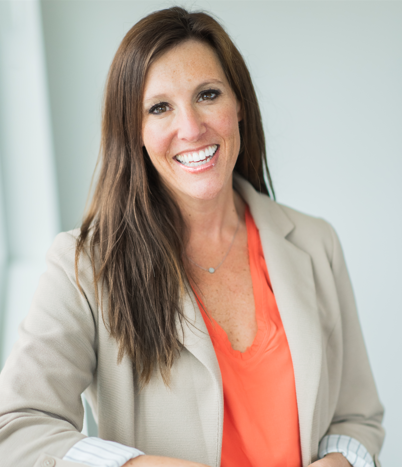
This week, the Dental Amigos welcome Summer Kassmel, DDS, owner of Castle Peak Dental and Avon Dental, and Ladder5 Mentorship & Resources. She is also a black belt coach for the Dental Success Institute. Dr. Kassmel is a successful multi-practice owner, speaker, coach, and entrepreneur who helps dentists create profitable, systemized practices while building fulfilling lives outside the operatory.
In this episode, Summer shares her journey from clinical practice owner to business leader and mentor. She discusses the importance of intentional hiring, building a strong culture through clear values and expectations, leveraging outsourcing and automation to reduce team burnout, and using practice metrics to successfully grow associate dentists. Summer also explains how thoughtful leadership and strategic planning can help practice owners scale while maintaining profitability and work-life balance.
To learn more about Summer Kassmel and Ladder5 Mentorship, visit https://summerkassmel.com/.
Additional Resources:
* Instagram: https://www.instagram.com/drsummerkassmel/
* LinkedIn: https://www.linkedin.com/pub/dir/Dr.+Summer/Kassmel/us-0-United-States
* Ladder5 Mentorship: https://summerkassmel.com/
* Ladder5 Webinar Registration: https://products.summerkassmel.com/registration-page
Listeners who want to reach Paul can do so at Paul@DentalNachos.com and those who want to reach Rob can do so at Rob@RMontgomery-law.com.
FULL EPISODE TRANSCRIPT
Bumper
Welcome to the Dental Amigos podcast with Dr Paul Goodman and attorney Rob Montgomery, taking you behind the scenes of the dental business world, all the things you didn't learn in dental school, but wish you had Rob is not a dentist, and Paul is not a lawyer, but since Rob is a lawyer, we need to tell you that this podcast is for informational purposes only and shouldn't be considered legal advice. Listening to this podcast does not and will not create an attorney client relationship, as is always the case. You should formally consult with legal counsel before proceeding with any legal matter. Learn more about the Dental Amigos at www.thedentalamigos.com. And now here are the Dental Amigos.
Rob Montgomery
Hello, everyone, and welcome to another episode of the Dental Amigos podcast. I am Rob Montgomery, and I'm joined, as always, by the head nacho himself, Dr. Paul Goodman.
Paul Goodman
Great to be here, Rob.
Rob Montgomery
Paul, it's good to see you around the holiday season, a hectic time of the year, but it's fun to sit down with you and a very special guest that we have today, and somebody that you've shared the stage with numerous times.
Paul Goodman
Super excited.
Rob Montgomery
Numerous times. I had the pleasure of following her after that New Dentist Boost—not news, I'm sorry—Super Dentist, using my Dentist Boost.
Paul Goodman
You're such a long-term Boost person.
Rob Montgomery
I go back to the first generation of Boost, and that's Summer Kassmel, who is going to be on with us today. For those who don't know her, she is the owner of Castle Peak Dental, Avon Dental, and Ladder Five Mentorship and Resources. She also owns and operates Vail Valley Dental Assisting School, DA Schools Delivered, and Dental Career Academy in the Vail, Colorado area, where she has built a life she loves in the mountains with her family. She left the clinical chair of her offices in 2014 and has allowed Summer to focus on scaling and maximizing profit in her two large offices, as well as to create the Dental Assisting Schools Delivered and Dental Career Academy. These products help doctors grow high-culture DA and front office departments that minimize staffing costs and increase profitability in their own offices. Summer is currently a Black Belt Coach for the Dental Success Institute, where she coaches other doctors to implement elite systemization and control their overhead. She loves utilizing numbers and metrics to help doctors make intelligent decisions and work with intention rather than at a frenetic pace. She's also faculty for Dental Success Network, where she facilitates the Lady Leader Group to encourage and help other women. She is passionate about helping doctors build successful practices and lives of their dreams, but is especially enthusiastic about supporting women doctors to grow thriving practices they love through her personalized Ladder Five Mentorship. And Summer is, like I said, a great speaker, really impactful and inspirational. So, if anybody ever has the opportunity to hear her speak at an event, by all means, make sure you do. And so now, without further ado, here's Summer Kassmel. Welcome, Amiga, and thanks for being on the show.
Summer Kassmel
Thank you so much. I really appreciate it. It was so wonderful to get to meet you, Rob, and I'm just grateful to be asked to be here. So, thank you guys so much.
Paul Goodman
Thanks so much, Summer. And we have a hard-hitting question. We start off every podcast with: If we were with you in your town, where would you take us for nachos, and what is your favorite topping?
Summer Kassmel
Yeah, what is—okay. So, first, I'm going to start with I'm not actually overly adventuresome on nachos. So, if I have to be honest, I would probably say something really simplistic, like, you know, really good chicken.
Rob Montgomery
Good answer.
Summer Kassmel
Yeah, I mean, like, it's not all that exciting, and also you have to remember I make them for my kids all the time, so I don't get to be super adventuresome. I'd love to hear what you guys are, but I would say if you're coming to the Vail Valley, you either have to go to the Bully Ranch or El Segundo and have their nachos.
Paul Goodman
I like that. We'll have to check that out if we go there. Rob is someone who skis a lot himself, so I'm sure maybe that is one time, Rob, we need to get a photo of one of us at one of these places because we're, like, 100 episodes plus in, Summer, and we now have 100 nacho spots to try.
Rob Montgomery
We could do a tour, Paul. You know, a square van. We'll drive around the country and just—
Paul Goodman
Dentisting here and getting nachos.
Rob Montgomery
That'll be our retirement YouTube channel.
Summer Kassmel
How many spots do you think that you guys would stop at before you'd be like, "All right, we abort mission here"?
Paul Goodman
I don't know, Summer. I mean, obviously I'm the one who's very passionate slash obsessed with nachos. But, mind you, they are the perfect appetizer. You can share them, you can have whatever dosage you want, from a few to too many. You know, I do share sometimes. I've gone overboard and ruined the whole meal with too many nachos. So, you know, I could see. Yes, I like that tour. Well, Summer, I'm so thrilled to be talking to you, and, you know, a bit much of a bigger fan I am of yours. And in our companies, we have Summer-isms. So, I want to start with this. I want to talk about culture and other stuff, but you've shared many times, "Don't wait until you're redlining to make your next hire," especially with associate dentists, but I'm sure that could be with anyone. And I felt that in my Dental Nachos, Dentist Job Connect, Dental World, where you're like, "We are so busy here, and I am so stressed out. Maybe we should hire someone." And then they get hired, and their onboarding does not go well. So, "don't wait till you're redlining"—that's the Summer-ism, and that I use all the time. So, I'd love for our audience to learn about that.
Summer Kassmel
Yeah. Well, that's funny, by the way. I love the Summer-ism. And what I can say to that is, I think all of us have been there in our career where we keep waiting for just the right certain things to happen before we add somebody in, and often we're not doing what's necessary to even know when that next person should be coming to join us, whether it be an associate or more for an office. So, we end up just what I call redlining, which means we are working at that frantic pace, systems are breaking down, culture's starting to erode, and that's when we're trying to find just that right person. And what I've seen is when you're hiring people and plugging them in at that point, it often is going to fail, no matter how great that person is. And I know personally, I've lost really great candidates during the onboarding process because I tried to plug them in there, and even my best team members couldn't do a great job onboarding because they were so redlining. So, ideally, it's so helpful when doctors understand the metrics and the indicators that are pointing toward time to add somebody else, and they have the time to plan for who do we want, what do we want it to look like. And as you know, I discussed hiring and onboarding at the Super Boost event. If we can actually hire and onboard with more of a plan and intentionality and not out of desperation, things just end up going better. We get the better candidate, and our team has a little more bandwidth to be present and really onboard them into the culture that we want to create.
Rob Montgomery
Yeah, I totally agree. One of our very few non-dental clients is a physician who was on a board, and he talks about the corporate lingo. When he jokes about it, he's like, they refer to this as trying to fix the airplane when it's at 30,000 feet. Like, nobody does that, right? And I honestly, personally, can identify if they're talking about when you're trying to onboard when you're redlining. It's not probable you're not doing your best bit of onboarding work when everybody's completely underwater.
Paul Goodman
Yeah, I just, for revenge, Summer, and I use this from one of my original coaches. You know, we're big Eagles fans here in Philadelphia, and the NFL football game is, you know, 60 minutes, and all week long this coach said, you know, the head coach of the Eagles trains. They train for this game, and then for those 60 minutes, he coaches the team. And I say, you can't train during the game. So, if your dental assistant doesn't know how to get a room set up for a composite, you can't fix that during the procedure. But one of the challenging parts about dentistry is it's pretty much all game, right? You know, we don't have a lot, so it makes it even more difficult. Currently, we're going through some growth challenges in my companies, but we have the luxury of scheduling a 1:00 to 3:00 p.m. meeting on change management, shutting down the whole company, and paying attention to our coach. But in dentistry, I think Rob, one day, wants to go to Dentist Fantasy Camp. Summer, he did say he'd do a filling. I don't know how we're going to make that happen, but I try to explain to him when the customers or patients are literally in your face all day, it's just so difficult to pause and train. And I don't even know what the solution is, but one thing you've shared is at least don't get to the place where everybody is so much with their proverbial hair on fire that the new hire's like, "I don't want to be part of this culture." No one—I think what I felt is, I don't want anyone to feel like we don't have time for them, but that's what's happening, right? You know, it's like, you know, we don't have time for you, new person. We're too busy with our chaos that we've created ourselves, right?
Summer Kassmel
Yeah, exactly. That's exactly it. Well, and you made such a great point because if we're throwing them into an already flying plane—wait, I don't know if I just mixed analogies there, but you know what I'm trying to say. We're actually throwing them into the game, and they've had no warm-up, no nothing. Often, even the best people, they will end up failing just because it's really tough to go from zero to 100 immediately, especially in really busy offices. So, ideally, we can start to see the indicating signs. We know it's time to, you know, just get more intentional about, hey, we can see this coming. Even if it's just a little bit down the road, we know this is coming. And I love what you said, and I talked about this as well at the Boost Camp, but being able to take the time, even if it means potentially shutting down production for a bit of time, so that we can be more thoughtful and intentional with the people that we have and ensure they're doing the right things. They understand the why behind it. Sometimes taking that time away from the patients to focus on those things is actually going to pay so significantly more than the time you spent with them, and that's sometimes what we have to do because, to your point, in busy practices, it's hard to slow down or figure out how to slow down to be able to train people.
Paul Goodman
I love that. And, you know, Rob and I do events, these events, and I also share as people who run companies. Even some of my favorite days are when I wake up and I go, "Oh, great, I get to go to a CE course," or, "Oh, we have a workshop." So, I don't know why we, as owners, are so afraid of lost production when it actually gives us improved morale, where that should show up sometime, somewhere, right? You know, like, has anyone ever seen a workshop in an afternoon and been like, "I'm so angry"? I'm like, wow, I'm so glad we're taking this time to do this. Who put this on the calendar? So, I always encourage dentists to do the same thing. I just think, you know, this is a big part of what you do. And Rob, you know, he didn't go through dental school. None of this is talked about in dental school, and when something's not talked about in your formative training time, you have to figure out where it comes from, you know? And I think that's, like, you know, the obsession with growing and growth and production at the expense of everyone's sanity. Those people don't seem particularly happy.
Rob Montgomery
Yeah, yeah. Well, it's not sustainable. And so, as the practice owner, your chaos that you've created is just generally not appreciated by those around you.
Paul Goodman
What's that phrase? I mean, it's not fair to the—you know, I know it's an old-school phrase, but, like, if the mom's not happy, no one's happy, right? But it's pretty good. It's a pretty good phrase, right? It's a reasonable story to think about, right? So, if the practice owner or the business owner is not exuding stability, I don't think it matters how profitable the company is. No one's in a good place. I don't know. What do you think, Summer?
Summer Kassmel
Yeah, I think you're exactly right. And truly, that's almost always where I start when I'm talking to doctors, is, you know, we have to be really honest with ourselves, which is sometimes the hardest thing, is to be super honest, you know, about here's the areas that potentially I'm either unaware about anymore. There is no system. There is no clarity, and it starts with me. And I think that's the hardest part, is to stop, get still enough to even be able to identify where we've potentially lost track, where we've lost a handle on things, and was there ever even a system or clarity to start with? And I think getting clarity of very specific standards and expectations per position, I think that is so tough for doctors. And I tell them, you know, gosh, especially with the front office and positions they're not super knowledgeable about, that can be really hard. And that's why there are, you know, people in the world that can help you with that. And I think being aware enough to say, "I don't know what I don't know. I know that I don't have a standard here. I know that I'm not clear. People don't know the why." That's where it's going to start because, to your point, people can never rise to a standard that they never knew existed in the first place.
Paul Goodman
Yeah, so it is wild, and I've made these mistakes myself. You know, it's like we didn't even have job descriptions but wanted people to do a good job, right? It was an impossible thing, right? And I think taking time to do that. I want to kind of, you know—the last podcast was about leases, Summer, which was more interesting than you would think, but that is Rob's zone. So, we'll bring it into culture stuff. I'll just use a dental example for a second to bring Rob into the culture stuff. So, there's something called occlusion, Rob, which is how you bite your teeth together, okay? And maybe Summer will think this is a funny joke, but the more courses I took on occlusion, Summer, the more I was confused about occlusion, right? Because you would take all these courses about this seemingly mystical topic of how people bite their teeth together. I usually left those courses, Summer, thinking my own dumb teeth did it wrong, right? But I never really left them being like, now I'm going to go back and be able to implement things. But let's bring this over to culture, which is such a hot topic, an important topic, where people are saying, "I would like to make my culture better." You do these things. Let's just say some practice owner is listening who's like, "I've heard that I should work on my culture. I'm ready to do it." Like occlusion, what's the next step? So, you have, you know, these culture stuff and having conversations. What does that mean to you?
Summer Kassmel
So you're saying, what does that mean to me? If a doctor would say, "Yes, I know I need to work on culture. What do I do?"
Paul Goodman
Like, basically saying, I need to take courses on occlusion to learn about biting, but then I've been very confused when I've taken these courses. So, if someone comes to you saying, "I've got culture challenges inside of my practice, and I know I need to make my culture better." This is what dentists are being—this is a very popular talk, yes, a very popular topic. If they come to you and say, "Sounds great, Dr. Summer. I hear you teach about culture stuff. What's next?"
Summer Kassmel
Yeah, yeah, sure, sure. Well, and the first thing I would assess is, you know, for them, what is truly their mission, their vision, and what are their core values? To some extent, I want to know some of the soft things, as far as what do they even stand for, and are they super strong and convicted in it, or is it something that they heard from someone else? I've literally seen my own core values, which are a resource that people can kind of look at. I've literally seen them reproduced for offices, and I'm always like, maybe, maybe my core values are your core values. But a lot of times that's where it starts, is what really matters to the doctor? What's important, and what is great going to look like in those areas? If we haven't even thought through mission, vision, and core values, and knowing what does great look like here, what is that going to look like? What's that going to feel like when I walk in? What is the energy going to be? If we don't know that, then once again, nobody else can. So, sometimes I have to back them up to, do we even know what we stand for? And are you truly convicted in that? What's the why behind it? Why does it matter so much? And are you sure that's your own personal feel about this, or did you just hear it from someone else? If I can start there, I can get a good understanding of what that person is really convicted about because, for some doctors, it's really clinical things. For some doctors, it's growth or being really disciplined or, you know, a servant's heart, whatever it may be. But understanding what's at the core of that is going to be the thing that I'm going to start with, and that's where, with culture, people need to know, you know, where's the lighthouse here? What are we going towards, and are my personal core values aligned with what I'm seeing the doctor's and this company's core values are?
Paul Goodman
I really like that. I also think that, like, you know, my brother Jeff, who I mention on the podcast, and like a lot of times I think when people think, like we said, people will be like, that person's core values sound good on paper. I'm going to put them on my paper, right? Because they always sound good on paper. But, like, in our office, and many others, it's like seating patients on time is a huge core value, right? Like, and that's something that's measurable, right? Like, you are a patient, Rob. Seating on time is like a north star.
Rob Montgomery
Yeah.
Paul Goodman
That might not be it. It might not be as important in other offices, you know. We would sacrifice production for seating people on time because, for us, finishing on time is really important. And I think it's great when you can take a core value and put it into a practice, literally and figuratively, that's measurable, right? Because I think sometimes we tell teams, like, we do great work here. I want to treat patients with kindness. But that's hard to put—it's hard to measure on a piece of paper.
Rob Montgomery
Yeah, you send out a survey afterward: what is, how kind were we today in your visit, on a scale of one to five? You know, terribly kind.
Summer Kassmel
Yeah, absolutely. Because it is funny. To your exact point, that's what I'm saying. What does great look like? How do they know that they're winning in that core value? If, you know, to your point, Rob, what does kind look like from one person to another? It can be very different just based on how they were raised and things like that. Same with, you know, whether it be honesty or transparency. That can look like brutal truth, or that can look like beating around the bush-type truth. So, I think getting clear on, in this practice, this is what it looks like for excellence in this core value. And as much as it can be measurable, to your point, Paul, the better. And some of those soft things are harder to measure, for sure. I get that. But they still need to have an understanding from the owner themselves: what does great look like in your opinion? How do you know if somebody is exemplifying, you know, that core value? What does it look like?
Rob Montgomery
It's funny. We actually look at a lot of associate agreements, probably several hundred a year, right? And recently we saw somebody who had part of their compensation based on patient reviews as to their happiness with the appointment and how friendly the doc was and how they made them feel at ease and all this stuff, which, as a lawyer, you look at and think, this is a little too subjective, you know? Like, this person's salary could be adjusted if they're—you know, there was some formula for taking this feedback stuff, which is interesting, and that might be taking quantification of this stuff to another level, but it was interesting. I mean, there are creative ways to do it. But to sort of bounce back for a second, that exercise generally is important for a practice owner, I mean, at a number of levels. When you sit down and try to figure out what your core values are, that's an exercise in and of itself. Like, you know, what am I doing here? What's important to me? And you have to figure that out to be able to convey that to everybody else. But the first half of that process is important too, for the practice owner, to really help align and anchor them as to which way they're going. Otherwise, you're just kind of unmoored in this situation. And it's like, you know, it's kind of up to everybody to figure out what's important to you because you never really took the time to do it personally. Perhaps because you're redlining at the same time, it's just all kind of part of this compounding problem, right?
Summer Kassmel
Yeah, for sure. Well, and to your exact point, I think it takes time to be able to think through. And I've even seen some doctors want to outsource this. They want to somehow be able to say, "Hey, team that's been with me for two-ish years, what do you think our core values should be?" And I always caution doctors on that. It's not that I don't want the feedback of the people around us that matter. I think our team is so important. I'll always pour so much time and energy into that. But to have them identify your core values, because I say, you're going to be the only one constant here, most likely. We don't know what's going to be happening with team members, and I can say after doing this for decades, life can change. Even people that you think will be there forever, life happens. And so be careful to outsource too much of some of these kinds of things to the people that may or may not be there long-haul-wise. And I always say, Doctor, what do you want? What do you want this to look like? What matters to you and your family, the people who really, at the end of the day, you're going to be coming home to? That's why this matters. And so sometimes it's giving them permission to think about what they want in this moment as far as core values and mission and what matters before they start to get the feedback of anybody else. We tend to go horizontal with feedback before we ever just sit vertically and think about what we want specifically for ourselves.
Paul Goodman
I always say, because that—you put it more pleasantly—you're the only constant, the owner. We're legally obligated to keep this practice going, right? And, like, you know, the teams change for good reasons. Sometimes people move, they change careers, your associate dentists change. It's got to serve the whole group, but it's got to start with the owner. And I think that hopefully people get from this podcast, and maybe, you know, when it gets released, there'll be a good time for you to sit down with your core values and make them measurable, not just feelings. But now, Summer, you've kind of touched on what I wanted to ask you next because I love this next topic. We'll go from kind of this big-picture thing to, like, I call it delegating your everyday annoyances, right? You talk about outsourcing front desk—
Summer Kassmel
Yeah.
Paul Goodman
—front desk and billing effectively. But I want to set this up, and I know I can be long-winded, but Rob is an attorney, and he bills people. I'm one of his clients, and I've never been confused about one of his bills, right? And it's just fairly simplistic. I run Dentist Job Connect. You're kind of a client of ours, and our billing system at Dentist Job Connect is very simple. We just bill you and you pay it, right? But inside a dental office, billing is so complicated, right? And so it's almost a language that people have to learn. So before you even talk about outsourcing front office and billing, why would people even want to do this? Like, if someone was just a dental student being like, why would someone outsource charging people? Tell us a little bit about what you do in this space.
Summer Kassmel
Yeah, well, and let me make sure I'm clear on what you're asking first. Are you asking why would dentists want to outsource billing specifically?
Paul Goodman
Or any front-office task. I mean, any front-office task. Like, I was using the example of the way I bill Dr. Summer for Job Connect is so simple, right? Like, why would I need to outsource that, right? But I'm also in two practices, and the front desk has to do so many complex things when it comes to insurance and verification and billing.
Summer Kassmel
Yeah, yeah, yeah.
Paul Goodman
Delegating your annoyance—I know you help people with it. Tell us, tell our listeners, you know, about that.
Summer Kassmel
Okay, I think I'm understanding, and if I'm going in the wrong direction, just let me know. But I think, for me, the biggest thing that I find in front offices is there are a lot of tasks to do in general. And I would tell doctors, if we want to make it super simplistic, we have to think through: somebody has to be responsible for the hygiene schedule, somebody has to be responsible for the doctor's schedule, and somebody has to be responsible for revenue cycle management. Somebody has to ensure we're getting paid and we're collecting what we're actually producing.
So, within those three positions, I love to talk to people about how do we ensure the right things are getting done by the right people. And it is simple, but one of those things is if we're going to be paying people in our offices to be doing these tasks, ideally we want them to be doing the highest-value task for the dollar amount they're making. And for me, what that looks like is I don't always want a human to be doing certain really low-level redundant tasks that potentially automation can do, or something outsourced that would cost less but get the same result.
And that's how I think about it, including in the billing department. You know, do you want—and I'm not saying this is a yes or no, or right or wrong. There really is none of that. But do you want your front office to be doing insurance verifications that can take anywhere between 20 and 45 minutes for a full breakdown? Do you want them doing that, or do you want them to be able to be available to, say, go through a treatment plan with a patient who's in the practice and do it super well and at a high level without being interrupted?
Thinking through the highest-value task per person is always an exercise that I like to think through, no matter what part of that puzzle on the front office I'm trying to fill. And if there is automation, if there is something to make it easier, I'm going to invest in that. But there are things around that—I don't want to get into the nitty-gritty unless that's something you want me to do—but that's how I think about it. Is that where you're going, Paul?
Paul Goodman
Yeah, I mean, what Rob is—we've had people on here, you know, one of my sponsors on the board, Edge Health. We have people who can outsource to people overseas for things, and I just think that the cool part of dentistry—we actually had one of my mentors in just before this podcast. I was telling him, you know, how we utilize people who, if they don't have to be in front of a patient, they can do this job, right? And I don't think dentists think through this enough.
And, you know, Rob, I also want to brag in this moment. I think I'm, like, the only client who routinely shows up at the office here.
Rob Montgomery
Yeah.
Paul Goodman
I say to Rob, like, his team brings chips. Yeah, he has a great team.
Rob Montgomery
Yes, Paul is true to the brand. I'll just say that.
Paul Goodman
But I don't think he and his team realize that I'm one of their only customers or clients that shows up, and they're like, "There's our customer/client." But in dentistry, we're tasking our team with being friendly and supportive and answering questions and clarifying things, and then, as you said, also doing these behind-the-scenes tasks in the same exact moment, which I think can cause them a tremendous amount of burnout and also kind of leave both jobs not done well.
And, I mean, you've explored this in your own company, Rob, with outsourcing tasks. And I just think outsourcing is a really awesome opportunity that didn't exist 20 years ago when we were practice owners.
Rob Montgomery
Yeah, well, I mean, just for a second, jump in. This is the reality when operating a dental practice in 2026, which is when this episode will be aired. Reimbursements are lower, overhead is higher. There are a lot of things that, you know, expenses—or I should say overhead expenses—you can't control. But there are things that you can control, and you have to leverage opportunities to cut certain costs where you can because everything can't just keep going up and up and up on that side of the column. There's only so much revenue you can generate to offset that.
And at a certain point, if you allow those opportunities to go by the wayside to cut costs, to do things more efficiently, to use technology, to use cheaper people to do certain things, then, you know, eventually you just get crushed.
Summer Kassmel
Yeah. Well, and you know, along with that, as I get the opportunity to see so many practices' numbers, and it's to your point, Rob. It's exactly black and white, what you said. Payroll is going up, and that's good, and I'm not saying that's a bad thing. But to that point, we want to be sure that what we're using them for, like I said, is the highest-value task that a human in the office can be doing. And so that's why I said, you know, for us, we also outsource a lot of different things, and for many of those people, they work only for our practice. They're just not within the practice itself. And it's freed up a ton of time for the front-office people, which creates quite a bit less burnout. It's incredibly good so that if, for some reason, somebody can't come in, or somebody is not able to be there that day, gosh, you've got these backup systems already there. And so it's like built-in contingency plans and automation. It frees up that front-office team, and it just gives them more opportunity to do the really high-value things, which for me are being able to discuss treatment with the patient and get it scheduled on the books, and ensuring that that schedule stays productive. Those are the biggest things that I need a human in the office to be able to do.
Paul Goodman
And I like to say, Mark—you know, we had Mark, Summer, your incognito sign. He talked, you know, he talks about your alien abduction manual, and all of us have regretted every single—but I've regretted being like, why didn't we have an alien abduction manual for this job? Because now this person has moved to the other side of the country, become a sommelier. Sounds like a fun job, right? But now we're over here without all of that knowledge that walked out the door, and we had all these opportunities to create this. And that redundancy is so key.
And I think that's—there are so many stressful parts of owning a dental practice, but if you pick your head up and look around, there are just so many companies that are there looking to help you. You know, when you see her at Boost Camp—I'm allowed to tell the story because it's my own office manager—but during the pandemic, Summer, I said to Kate, who I think you know, I said, "We're going to outsource insurance billing." And she looked at me. We were taking people's temperatures, like a temperature-check bouncer in 2020. We didn't refuse anyone. We had 80-year-old people. I mean, it was such a stressful time. Remember that, right? We had plexiglass everywhere. No one knew what to do.
She looked at me in the midst of all of that stress and said, "I don't want to do it. I can handle it."
I said, "Kate, we've lost team members. We lost team members. I can't have you doing the insurance billing anymore."
She says, "Paul, I don't want to do it."
And I said, "Kate, we're going to try it out for 90 days, and if you don't like it, we can go back the other way."
Five years later, she said, "That was the best decision you ever made for me."
So my joke in this, Summer, is sometimes it's the team member that's the most resistant to change. I'll be like, I'd like to make your job easier, and I'm going to pay for it. Like, never, right? I don't know, maybe you could talk about for one minute how people listen to podcasts and go to CE, and they go, "Oh my gosh, I'm going to come back and I'm going to just outsource insurance verification." And then they're met with a tremendous amount of what I call RTC-itis, resistance-to-change-itis. How do you help your clients with that, or help me actually in this moment?
Summer Kassmel
Yeah, so it's funny. Mark and I actually did a whole podcast on this exact subject, which was what automation to use, how do you incorporate it into the team when you're exactly right. For some of them, that is scary, especially when it comes to insurance verification, breakdowns, billing, things like that, because usually what they're thinking about is how many mad patients are going to be calling me, and that's what I'm scared of. And so they worry that automation is going to make it harder, not easier.
And, you know, the thing that I would say is I do ideally have to do it really similarly to what you said. You know, listen, I recognize there's going to be some ups and downs with this. This is not going to be perfect from the get-go, but don't forget, no person we hire is going to be perfect from the get-go either. There is no human we're going to plunk down, and it's just going to be perfection when it comes to this. That includes whatever this is—outsourced, automation, whatever.
But with that, let's look at what the short-term gain is going to be, and then potentially what's your long-term gain from this? And often what they need to hear is, you're not being replaced, you're being redirected into doing what you do best. So I'm not—don't worry, you're safe here, and we're going to really monitor patient concerns, so please know I've got your back on that. I'm just redirecting your efforts toward the things that are going to be—
Paul Goodman
We're going to redirect. I like that.
You guys, before we wrap up, I just want to ask you one last question. Rob, can I have another?
Rob Montgomery
Oh, go ahead. Yeah, you go first.
Paul Goodman
Well, I just wanted to, because I wanted to hit Summer's awesome checklist here. I always tell people that the only way to decrease their number of hygiene checks—which is what frustrates dentists, Rob—is that we're doing one project in one room. Okay, how's it going? Not well. And then we have to go into another room, right, Summer, and be nice to that person all the time while knowing our project in the other room is going not well, right?
So I say the only way to decrease hygiene checks is to hire an associate dentist. I know Summer helps people all over the country with this, and I didn't want to leave the growing associate dentist part out because I know that's a signature topic. Because you are what I call, like me, Summer, a practice owner, but you're not inside the operatory anymore. You yourself are not inside the operatory. So just kind of tell us a little about growing associate dentists, or maybe a pearl or two for our audience.
Summer Kassmel
Yeah. Oh, that's tough. Yes, I'm in the same shoes. It's taken a long time to figure out what works and what doesn't. But what I can say is the very first thing is—and I know I'm going to be a broken record—but it's actually figuring out the right avatar for the practice in the first place. Do we need them? Do we have the right environment, and what type of dentist is going to do really well here?
A lot of times doctors think, I'm just going to have them complement my skill set exactly. Well, sometimes that's not exactly what the practice needs. So understanding what the—Sonya and I did a discussion about this, actually, together—in regards to knowing what numbers are in the practice currently and how would that support a certain type of dentist before we start putting the ads out and interviewing people. Because sometimes we can have a decent dentist, but we put them into the wrong environment based on what their expectations were and what our expectations were, and things just go south from there.
So, ideally, if we know what we need based on the metrics of the practice, we're going to hire the right doctor. And that's honestly, when I'm talking to doctors, where we're going to start: what are the numbers of the practice that support this? How do we know that profitability isn't going to take such a nosedive that you're going to be stressed out? Because when doctors, especially owner doctors with their first associate, are feeling financially stressed about things or strapped, they instantly start to weirdly sabotage it.
And so knowing the numbers, knowing when somebody's needed, and what type of doctor would be best before we place the ad is first. And then second, it's interviewing them and setting expectations from the get-go that will set the whole thing up better from the start.
Rob Montgomery
So this is the question I was actually going to ask, because—perfect tie. It's like we've rehearsed this.
Paul Goodman
Yeah, no, look at our unscripted scripting. That's us.
Rob Montgomery
Old married couple. We spent a lot of time together, seven or eight more years doing this, and then before. But I'm curious because you did say this at the outset, Summer. Like, how do you know when it's time to hire somebody, you know, whether it's an associate or front desk? Like, is there sort of a formula or certain metrics that you're looking at? Like, when should you do it so that it's not too early, but that you're not waiting until you're redlining?
Summer Kassmel
Yeah, great question. The thing that I tell doctors is they usually go on feel. It feels busy, and they feel booked out a long time. Just because you're booked out a long time doesn't necessarily mean the practice is actually in a great place to have an associate.
So the things that I look for from a metric standpoint are: I want to know how many new patients are coming in, and does it support two doctors? I also want to know just the total number of exams that are happening in that office every month because, once a doctor gets past, say, somewhere—and this is a general ballpark, I have quite a few more specifics based on a practice—but let's say, general ballpark, if the total number of exams is past, say, 170-ish per month, or they have two to three columns of hygiene as a single doctor, they're likely starting to have diminishing returns.
What Paul just said is true. If you're getting up so many times to go do these exams, you're doing low-value, low-dollar exams, so non-comprehensive exams, and then you're ending up with really busy schedules that aren't productive, or you're getting up so much you can't be productive. So you start to just see this flattening off, or the practice can't keep growing. So it's based on the number of new patients, exams, and what's actually being treatment planned and produced in that practice.
Paul Goodman
Summer and her team are great. I help dentists all around, but it's like, you know, it's not easy being a dentist, Summer. Because let's just say you go into a hygiene exam and you tell someone they would benefit from a crown, and then they go to the front desk and you go, "It's important to get this crown. You come in eight weeks from now." Well, it's kind of important to get this crown, right? And it just creates all this inconsistency.
And, you know, Rob, you do consults with people. Obviously, if you're just doing so many consults, then when do you do the work on the people that you need to do the consults for?
Rob Montgomery
Well, Paul, that would have been like the last month in this office. Yeah, I get that. Yeah, it resonates. I got it.
Paul Goodman
Yes, but I think what Summer said is so key because dentists like details and numbers, and they go back and say, "Oh..." I mean, I'm sure, Summer, people blow your mind and say they're doing 262 exams, but it's all fine. And I go, "Well, no one's ever told me something's fine and it's ever been fine, so it doesn't sound fine." Have you ever heard that before, Summer? You know, "I can do 260."
Rob Montgomery
"Oh, don't worry, it's fine."
Summer Kassmel
Yeah. Well, and usually when I hear that, I'll probably just have them dig for a little more information because usually it's the stuff underneath the stuff. They may be getting along okay, but really, when it comes down to it, the impact is lessened.
So I will start to be able to pull some statistics that just show them, like, "Hey, I think we hit that threshold. Are you interested in continuing to stay on this path and continuing to do this indefinitely, or are you looking for smarter ways to actually produce more?" Either way is fine with me. If you want to keep doing this, that's okay. I just need to know.
So a lot of times it can be fine. It's just not what they want because they'll say that it's fine in the same breath as, "I have no time," or, "I get home so late," or, "I have no time to work on things." The two of them can't go hand in hand, for the most part.
Paul Goodman
I'm totally with you on that. It's so, so key. And I mean, I would say, I say, live your life in the most—most people who've hired an associate dentist say the exact same thing that patients say to us, Summer, when they do an amazing ortho case or implant case: "I wish I did this sooner. I should have done this sooner." Because they can enjoy it more, right?
And then, you know, I've also found with metrics, too, that when someone hires their first associate dentist and their practice grows, they're asking, "How soon can I hire my second associate dentist?" Right? And I think that's the magic of what we do, and especially what you do, because you get people to get out of their own way to a certain degree, right?
Summer Kassmel
And sometimes they just need to see the numbers. Specifically, dentists need the numbers. If you do this, it'll be okay profitability-wise. If you watch over this, you're going to be okay with your take-home. Because I think cutting back sounds good in theory, but like I said, the minute that they're worried about profitability or they're concerned about finances, that's when they're going to jump back in and, like I said, somehow just sabotage what's been created.
The other thing is they're worried about reputation. They're worried that the doctor is not going to be able to make the patients as happy as potentially they themselves can. And I think that is kind of the second level of complexity for doctors, is you start as a single doc, you grow everything, it's your baby, and now you're looking to bring somebody else in. And that's this new complexity that doctors aren't always prepared for. Nobody teaches that.
So that's so much of what I know you help doctors do. But, you know, my thing is too, how do we find the right doctor and grow them? Because growing new doctors in your practice can become rewarding, but give you time and financial freedom once you understand it.
Paul Goodman
I totally agree.
Rob Montgomery
Right? Doing it right makes sense. Well, Summer, it's been awesome having you, as I knew it would be. If our listeners want to contact you or learn more about you and what you do, how can they do that?
Summer Kassmel
Yeah, so it's actually really easy. You can just go to summerkassmel.com and see the different resources and things that we have available, CE, you know, things that we have to make practice life easier.
And then, because my team was like, "You have—I don't have any social media, you guys, for myself personally." But my team was like, "We've got to start Instagram because that's where everybody is."
Rob Montgomery
That's where all the cool kids are. Yeah, that's what I hear.
Summer Kassmel
You guys, I finally, I guess, jumped on the bus here with this. But my team is really great at curating a lot of that and making sure our content is helpful for people. But that's just Dr. Summer Kassmel on Instagram, and I don't even know how you say that, guys. Like, is that what I say? Are those the words?
Paul Goodman
Well, I love your Instagram account. You're doing a good job. I always smile when I see one of your videos, Summer, so they make me happy, and it has great content. It's Dr. Summer Kassmel, and people will find you there. All the Instagrammers will know. But thanks so much for sharing with us. It's really been fantastic.
Rob Montgomery
And all that will be up in the show notes for our listeners.
Summer Kassmel
Well, thank you guys both for what you do. You guys both bring so much great stuff to the community, and I'm always grateful to get to hang out with like-minded people. So thank you guys so much.
Rob Montgomery
Yeah, thank you. Summer, it's a pleasure.
Paul Goodman
Awesome, Summer.
Rob Montgomery
Summer delivered, as we know.
Paul Goodman
Yeah, she's just such a gift to the dental world—dental and parentheses—because she brings just this amazing insight, but also, even though, you know, it's about holding yourself accountable and getting out of your own way. Sometimes you've got to get out of your own way.
Rob Montgomery
Yeah, and I think, you know, just as a professional practice owner too—and obviously I'm taking some notes as we're rolling through this—I think it's really important to set aside time to plan and figure out what it is that you're all about so that you can spread the word to your team and your patients, your clients. And no matter how busy you are, I think you have to make time for that.
Paul Goodman
I'm totally with you.
Rob Montgomery
Great. Thanks, everybody. Thanks for listening. Thank you, Dr. Nacho.
Paul Goodman
Thanks, Rob.
Bumper
Thanks for listening to another great podcast with the Dental Amigos. And don't forget to tune in next time to have the dental business demystified. If you're looking for more information about today's podcast, you can find it on the dental amigos.com if you're looking for Paul, you can find Paul at drpaulgoodman.com and if you're looking for Rob, you can find him at yourdentallawyer.com This podcast has been sponsored by Orange Line Media Group, helping dentists and other professionals create content people love. Find out how we can help you take your business to the next level at www.orangelinemg.com. Till next time.
.png)
.png)

.png)