
.png)
Episode 152 - Mustafa Shah-Khan, DDS PA: Dental Practice vs. Dental Business—Designing Freedom, Growth, and Ownership
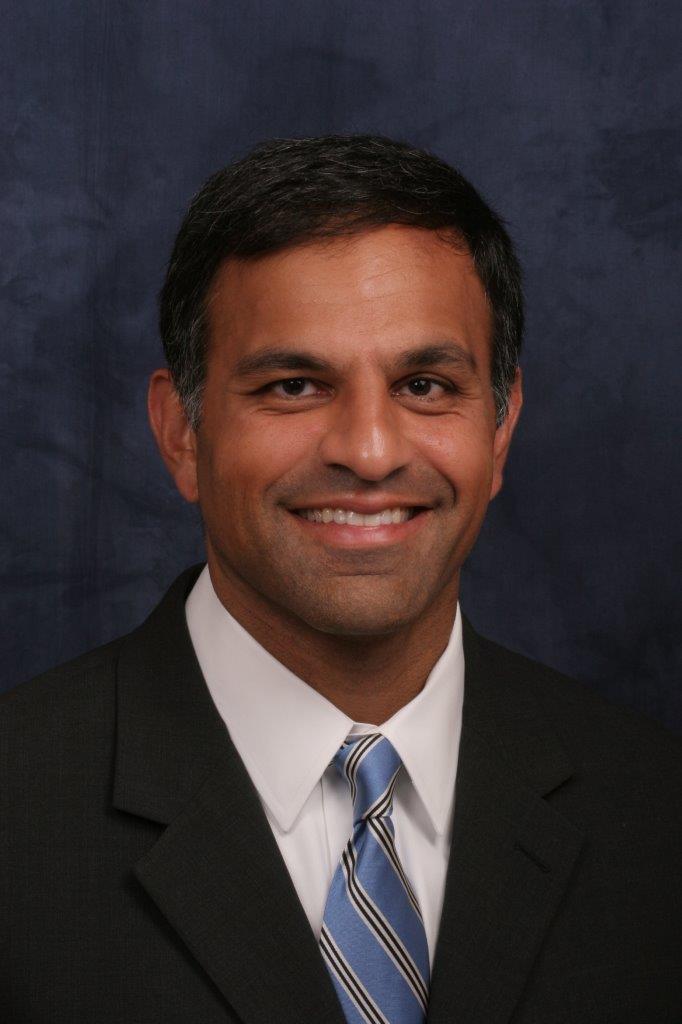
This week, the Dental Amigos welcome Mustafa Shah-Khan, DDS PA, Founder of Simplify Dentistry, Key Opinion Leader (“KOL”) for Komet USA, and practicing general and restorative dentist in Charlotte, North Carolina. Dr. Shah-Khan is a nationally recognized author and advocate for independent dental practitioners, focused on clinical excellence, operations, and entrepreneurial growth.
In this episode, Dr. Shah-Khan shares his journey from clinician to community builder and discusses the shift from owning a dental practice to building a true dental business. The conversation explores associates, DSOs, financial mindset, entrepreneurship outside the operatory, and how dentists can design careers with more autonomy, balance, and long-term freedom.
To learn more about Dr. Mustafa Shah-Khan and Simplify Dentistry, visit:
Website: https://www.simplifydds.com
Facebook Group: https://www.facebook.com/share/g/16CznwDdEx/
YouTube: https://youtube.com/@simplifydds?si=c4S00rM4_zk-hiP9
Listeners who want to reach Paul can do so at Paul@DentalNachos.com and those who want to reach Rob can do so at Rob@RMontgomery-law.com.
FULL EPISODE TRANSCRIPT
Bumper
Welcome to the Dental Amigos podcast with Dr Paul Goodman and attorney Rob Montgomery, taking you behind the scenes of the dental business world, all the things you didn't learn in dental school, but wish you had Rob is not a dentist, and Paul is not a lawyer, but since Rob is a lawyer, we need to tell you that this podcast is for informational purposes only and shouldn't be considered legal advice. Listening to this podcast does not and will not create an attorney client relationship, as is always the case. You should formally consult with legal counsel before proceeding with any legal matter. Learn more about the Dental Amigos at www.thedentalamigos.com. And now here are the Dental Amigos.
Rob Montgomery
Hello everyone, and welcome to another episode of the Dental Amigos Podcast. I'm Rob Montgomery, and I'm joined, as always, by the head Nacho himself, Dr. Paul Goodman.
Paul Goodman
Great to be talking, Rob.
Rob Montgomery
It's good to be talking to you, Paul. We have a great guest on today, Dr. Mustafa Shah Khan, who is a similar person to Dr. Nacho.
Paul Goodman
We share a lot of the same traits.
Rob Montgomery
He's the founder of Simplified Dentistry, and we're going to talk about that and kind of how he got into that, and what his mission is, and what they're doing for dentists and dental practice owners in the dental community generally. Dr. Mustafa Shah Khan is a 2002 graduate of the University of North Carolina School of Dentistry. He has served on the UNC School of Dentistry's Dental Alumni Association Board of Directors and the Charlotte Dental Society's Board of Directors. A lifelong learner, Dr. Shah Khan has been a member of the Spear Education Faculty Club and the CDOCS Academy. He has experience building and operating a national group purchasing organization for independent dental practice owners and practitioners. He's a contributing author for many nationally recognized publications, including Inside Dentistry, Dental Product Shopper, Dentaltown, and Dental Economics. His articles have been based on the preservation of the independent dental practitioner, operations and economics of dentistry, as well as developing community in the profession. Mustafa is a KOL and beta tester for NSK USA, as well as being a KOL for Comet USA. He is the founder of Simplify Dentistry. It's just a community of like-minded dental professionals that discusses, explores, asks questions, and offers solutions to everyday clinical, operational, and financial questions, and Simplify strives to help the experienced and aspirational doctor take their career from good to great, while helping docs become dental entrepreneurs. And he maintains an active general and restorative practice in Charlotte, North Carolina, and we're excited to have him on the show. And now, without further ado, Dr. Mustafa Shah Khan, welcome, Amigo, and thanks for being on the show.
Mustafa Shah-Khan
Oh, well, thank you guys for having me. I really appreciate the opportunity to spend some time with you guys.
Rob Montgomery
Yeah, we're looking forward to it. So, Paul—
Paul Goodman
I had the opportunity to have one of my favorite things, coffee with Mustafa in Charlotte. That was great—a great coffee place. I can't remember it in this moment, but I'm going to ask you for Nachos: if we were in Charlotte, what's your favorite nacho topping, and where would you take us for nachos?
Mustafa Shah-Khan
So I am a big fan of nachos, and I will explore nachos everywhere there is in Charlotte to have them. You know, I've kind of settled in on a place called Sabor. Sabor is a small chain in Charlotte, but you know that they make easily the best nachos. In fact, two days ago, my wife and daughter and I went, and the only thing we got was nachos. So I'm a shredded chicken, black beans—and you got to have some queso in the nachos—and then you got to have some guacamole too. So I like it all.
Rob Montgomery
He likes nachos. I think we've had other Charlotte guests talk about this place. I recognize the name, right? That's one thing we don't track. We don't keep track of them. We probably should, Paul. An episode, we could put out a book of the—
Paul Goodman
Nachos Across America.
Rob Montgomery
Exactly.
Paul Goodman
Best nachos in America. I mean, y'all from the dental world, you know.
Rob Montgomery
We did, and we'll get Dr. Nacho to autograph it, and yeah, maybe that'll be the retirement.
Paul Goodman
Yes, that's it. That's it. That will be the one thing no one will fight about, right? You know, I'll ask you—we suppose—because you have started a Facebook group, Simplified Dentistry, and you kindly have—we've connected and talked and met in person—what inspired you to start a Facebook group? You saw me refereeing all these dentists on my weekend. You said, “I want to do that too.” Or I mean, how—what inspired you?
Mustafa Shah-Khan
Well, first and foremost, I just want to be Paul Goodman.
Rob Montgomery
It's not an easy job being Paul Goodman. I could tell you, as somebody that's not on the inside part of Dental Nachos but is about as close to the fire as could be, I can tell you that's not an easy job. Yeah, I know better than anybody. It's not easy being Paul Goodman.
Mustafa Shah-Khan
That's right. You know, kind of what we did—so, you know, a dozen years ago, we started a national group purchasing organization, and kind of our whole plan with that was to help with the preservation of the independent dental practitioner and kind of all the things that dental practitioners really need to be successful. At that point in time, we were seeing kind of the entrance of corporate dental groups and things like that. Now it's the DSOs that are kind of exerting pressure in there. So we did that to help kind of level the playing field.
Kind of transitioning into where we are now, myself and my partner, Rick Offit, who is also with me in the GPO—and my brother is our third partner at Simplified Dentistry—we kind of looked at, you know, what do we feel like is necessary and important in the community in dentistry? And community is something that I've kind of looked at from being in the GPO world and other things—community is a very necessary thing. And I think practitioners search for community. That's where they end up with Dental Nachos and, hopefully, with Simplified Dentistry.
So we kind of looked at, you know, what can we do to help provide community, but also provide important content? And you know, when I've written for different publications, we've written about preservation of the independent dental practitioner. We've written about operational, financial, and clinical competency and kind of how to be successful. So we thought that we could take our experiences in the profession and provide that to a group of practitioners and have open discussions on issues that are relevant to practitioners and kind of help them take the profession—take their practice—from being good to great. So that's kind of where it started, and kind of it's morphed a little bit.
Really, kind of what we look at is practitioners who have been in the game for five years and longer—kind of the experienced practitioner—and kind of what is specific to them, and how can we provide insight to help their issues? And that's kind of where Simplify is, and that's where we talk about the experienced. But we don't ignore the guys and girls who have just gotten in the game, and those are what we call the aspirational docs, who aspire to be where the five-year, 10-year, 20-year docs are. So that's kind of our precipice for starting this and kind of what our overall goal is.
Paul Goodman
I have one more follow-up. I think Rob will like this. So we hear this a lot, and I'm just going to play the role of the devil's advocate. Why does private practice need preserving? I mean, if there's 20% DSOs and 80% private practices, there's this consistent theme of, “We need to preserve and fight for private practice.” But why? Why are you passionate about it? Why do we even need to do that? It sounds like private practices are still in number way more than DSOs. What threats do you see? Rob, you can obviously chime in too.
Mustafa Shah-Khan
Yeah, I think they are. I think independent dental practices are very prevalent right now, with it being 80%, if not more. The big thing that I see are outside forces. Outside forces are creeping more and more into dentistry, similar to kind of what happened in medicine, pharmacy, and things like that. So I think we have to be conscious of what those forces are and understand what is occurring around us and be active to not be overcome by them. And I think that's where you look at what we're talking about, is preservation of the independent dental practice—making sure independent practices can stay competitive. Because I think, while we are at 20%, there are some analytics that will show you that they think that DSOs will be 50% in the next five years. So I think we have to, as a unit, work to help provide the tools for practices to remain independent. And I think that's where kind of the preservation of independent dental practice comes from.
Rob Montgomery
Yeah, that's cool. Yeah. And I feel like—and I want to hear what you regard as some of those outside forces. I'm going to get into that a little bit. But I feel very much like the DSOs are promoting that belief that they have taken over. It's like the classic John Lithgow movie, *Buckaroo Banzai*, right? If you keep talking about it and act like you have, then everybody starts to believe it, right? It becomes this self-fulfilling prophecy. And certainly it's happening at the dental schools. People think the only place I can work is for a DSO. I could never possibly own a practice because I'm not a DSO. And we're on the same page with you, trying to encourage people to realize that, yes, you actually can. But it's hard. A lot of that is about money. It's being reinforced by dental schools. And it's hard for somebody who is 23 years old to realize that.
Paul Goodman
I did get a DM in my world. And I see this world from all sides. I don't want to brag in this moment, but I will. I don't know if there's any human being who connects with more dentists than I do. So someone did say, “Paul, you know what's interesting to me? When you run Dental Nachos, some people say, ‘Paul, you dislike DSOs. You only like private practices.’ That's not true. And then the next person says, ‘You dislike private practice. You only like DSOs.’ That's not true either.” I said, “I'm just an advocate for learning the reality of what's happening in our profession.”
But I did get a DM saying, “I wish I found Dental Nachos sooner. I didn't even know out of dental school you could not work for a DSO because at my school, they made it seem like that was the only place to work.” I do feel that DSOs get unusually unfettered access to dental students, and they don't share the other side of this. And it's because we can be realistic. I'm a private practice owner currently, and if Penn said, “Come to my dental school on a Saturday at 2 p.m. and tell me all the benefits of private practice,” I'm like, okay, well, now I'm not going to spend time with my family. Now I'm not going to have downtime to myself. So what really is in it for me? And it doesn't mean that I wouldn't do anything like that, but of course I myself would as Paul Goodman. But if you ask 10 private practitioners to do that, you have to be realistic. They're coming to share the benefits of private practice, but they might not be hiring anyone the next day. They might not be selling a practice the next day.
And I work with DSOs all the time. There's just a lot of what's in it for them when they go to dental schools because they are recruiting people. So I think that's something we should talk about more in a realistic way—that there's a lot more incentive for DSOs to be in these dental schools than it is to get a group of eight private practitioners to talk about the benefits of private practice.
Rob Montgomery
Well, that's the way the organization is built. People have that job to do that, right? Your job as a dental practice owner is not to go to dental schools and promote private practice ownership. But if you're a DSO, you have to get people drinking the Kool-Aid.
Paul Goodman
I think it is the job of the dental school as educational institutions who are taking money from these dental students for them to present both sides and say, “Hey, everyone, we're going to present life after dental school, and we're going to ask a 30-year-old associate dentist and a 45-year-old owner and a 55-year-old. And we're going to have a DSO, and we'll have a dental-focused attorney.” And Rob knows I've done things like this for my residents at Einstein. But I will say that dental schools don't do a good job of presenting that reality of, “Here's your life.” And I think they should, for what they charge and what their task of doing is—educating the next generation.
Mustafa Shah-Khan
No, I couldn't agree more. And I think we are seeing just a paradigm shift in dentistry and in dental education. I'm a 2002 graduate, so when I came out, dental schools—or at least my school—were all about practicing independently, going out and hanging your shingle, or buying a practice of a senior doc and transitioning from the junior doc to the senior doc and operating independently. And corporate dentistry was bad, and why would anybody do that? And we have to do everything we can to fight it. So you kind of saw that.
Then, in the last five or 10 years, the economics have hit dental schools too. And now you start seeing dental schools taking gifts or funds, or whatever it is, from DSOs, from owners of DSOs. And essentially, it's giving them access to the schools. And while I may disagree with what it is, it's allowing them to be able to change the narrative and to talk about the DSOs a little bit more and make it a friendlier environment.
But at the same time now, I feel like it might be shifting a little too much where everybody thinks that the whole dental world is about the DSO. So I think guys like y'all at Nachos, Simplified Dentistry—I think part of our mission, or at least at Simplified Dentistry, is to present all the information. I get beat up a good bit by guys who are like, “I think you're presenting too much DSO information because you had this guy from a DSO on, and you had this guy from a DSO on.” And I was like, no, that's not the case. What we're trying to do is educate people. We want you to have all the information to understand what a DSO is, what the different models of DSOs are, is it the right fit for you, is it the right fit for your friends? And also, here is what private practice is all about. Let's provide you the information there and let you understand both sides of it.
And then let's also look at what the DSOs do. What do private equity groups do well? They bring efficiencies to dental practices to make them more profitable. So when we talk about preservation of the independent dental practitioner, I think a lot of that in my mind surrounds creating similar efficiencies in your practice to make you competitive, to keep you competitive. You have to be able to think about your panels. You have to think about your operations and create efficiencies in there and not just operate by showing up at work every day. And I think that's something that practitioners have to think about with the preservation of independent enterprises.
Rob Montgomery
Yeah, I mean, absolutely. And Paul, we were just talking about that earlier. You have to really avail yourself of the opportunities and the leverage that you have with technology and other ways to remain competitive and relevant. I think we've had people talking about outsourcing, virtual outsourcing, right? Or other software to track different practice metrics that allow you to oversee this stuff. The ability to have people who are going to answer phones for you in a certain way—because you can't provide the same product if you're sort of wasting money and not availing yourself of those opportunities.
Paul Goodman
I'm with you. Two things to say. I remember Rob gave a great presentation years ago—pre-pandemic, because that was years ago—where you had a big gorilla, and he said, “The DSO is the gorilla in the room. What could you learn from them?” Or maybe I'm paraphrasing.
And I was going to ask you a question, Rob. Rob does a lot of employment contracts. We refer a lot of people to Rob and Job Connect. What's the ratio of the last 20 you've done? Is it 10–10? DSOs, 10 private practice? When someone says, “Hey Rob, I need help reviewing this employment contract,” is it like 50–50? DSOs, private practice? What's your sense? Because I'm asking this for a reason.
Rob Montgomery
I'd say it's half and half. It's probably a little bit more private practice, but pretty close to 50–50.
Paul Goodman
So I think it's interesting, Mustafa. Rob and I didn’t really think of it until you were saying this. For the purpose of the next five minutes, let’s just say there’s 80% private practices, 20% DSOs—because I know everyone argues about this number, and I’d like someone to tell me where you find the number, but maybe there are no good stats.
If you think about it, Rob and Mustafa, there are eight private practice dentists for every two DSO dentists—80% to 20%. But when it comes to finding jobs, it’s now 50–50. And when someone says, “I need a job,” it’s really bad not having a job after going to dental school. So if you're saying you're getting like 50–50 DSOs and private practice, it’s kind of saying, hey, these DSOs are creating opportunities for people not to be unemployed.
And the independent dentist, Mustafa, is not always doing a great job creating associate positions for other independent dentists to join them. And they say, “Well, I can’t afford it.” And I’m saying, is that your K-1 that says you made $700,000 last year, private practice owner? Because you’re not using words correctly, right? You may not want to bring in an associate dentist, but I think that’s an uncomfortable conversation private practice dentists have to have. Where are the spots for all of these newish dentists to work? So I don’t know what you guys think. I just thought of that while you were talking.
Rob Montgomery
We’re going to check this after we’re done, and I’ll report back on what that percentage is, because I think it’s an excellent way to look at it. Mustafa, what do you think of that?
Mustafa Shah-Khan
I think something interesting—and my brother is a practicing clinician as well, and he’s six or so years behind me in dental school. In the time between when we came out, I had a lot of choices of positions in independent practices—whether it was a two-doctor practice looking to have an associate that was primarily fee-for-service or PPO, or it was a practice owner who had three or four practices and was employing a lot of practitioners, but that was still kind of in the fee-for-service model, or there was some insurance participation.
Between that time and when my brother came out, there were no docs really in this area hiring just an associate to go from two docs to three docs. And there weren’t the guys that held multiple practices. A lot of those guys who held multiple practices had kind of sold to corporate dental groups. So all of a sudden, you saw that there was a lack of opportunity in the independent dental practice world.
And I think some of it, like Paul was saying, is our fault as practitioners. I think you get into your practice and let’s say you are making $700,000. Well, you’re probably spending a good amount of that, and then what you're not spending, you're kind of putting into retirement savings to help get yourself out of the practice whenever you can.
So I think that is an element in there where maybe dentists are a little bit selfish and want to have everything that they’re killing and don’t want to give it up. Because I think there is the thought that if you do bring somebody on, in the long term it will help you financially, but in the short term it will hurt you financially because you're going to have to give up some of the production in your practice. So I think docs mainly don’t want to do that. What do you see, Paul? I mean, you see it all the time with Dentist Job Connect.
Paul Goodman
That’s exactly right. And I say this—not as a “but”—you don’t have to hire anyone as a private practice dentist. You can do it all yourself. But then you have to look at the future of the profession, of people who need jobs.
And also, to add to this, I don’t know how many part-time contracts you review, Rob, but I feel like there are fewer part-time contracts. Because you say to an associate dentist, “Work for me two days a week. Grow your patient base.” And they say, “That’s all well and good, but I happen to have $580,000 of dental school debt. I can’t have this quaint mentorship position where I work two days a week for $600 a day, even if it does get me to my goals in four or five years.” And I totally understand that pressure.
So I go back to the dental schools creating some of this—creating a lot of this pressure. And what you said about your brother is exactly true. None of us are young on this dental call, right? Your brother was a 2008 grad. So I see it every day in DMs: “Paul, I can’t find a job as a new grad. No one wants to give me a chance. What should I do?” Or, “I have this part-time position.”
And I think that’s why these Facebook groups matter. Rob, as an attorney, I can understand you have mixed feelings about Facebook groups because sometimes people are asking for professional advice when they should be asking professionals.
Rob Montgomery
Oh yeah. Well, you do too.
Paul Goodman
I don’t mind the questions. It’s just the people who are doing the answering.
This morning, before my call started, someone said, “I haven’t asked an attorney yet about this contract. I wanted to get the opinion of dentists.” And this was my response: The opinion of dentists on this is like asking attorneys about crowns. Ask an attorney.
But what I think, Rob—and we’ve kind of grown up together through this over the 15-plus years we’ve known each other—is that these Facebook groups at least bring awareness to these things happening. They bring group discussion to “I wasn’t paid,” or “This happened here,” or “I showed up at the job and they didn’t have a job for me.” And I think that’s a true benefit of it, because those stories weren’t able to be shared in an efficient, quick way before.
You shouldn’t ask a dentist for their opinion on your contract and make that decision. But you can get some understanding of these forces that are controlling the profession.
Rob Montgomery
Yeah, you know, I think it really goes back to what we were talking about—the intersection of private practice ownership and DSO ownership. I think the differences really come to light when you're talking about whether or not you want to hire somebody. If somebody’s K-1 is showing $750,000, they could choose to hire somebody if they wanted to. They could afford it.
But this is the difference between a DSO that’s running a business, looking to grow a business, running it like a business, maximizing profit. As a professional, I can’t be critical of a dentist who says, “Hey, I’m happy just making my $750,000. I don’t want to expand. I don’t want to hire more people. I don’t want additional offices. I just want to be a dentist.” Unfortunately—or fortunately—you also have to be a businessperson, too.
You’ve heard me say this probably a thousand times, Paul. It’s the challenge that any professional practice owner faces, which is you have a foot in both of these worlds. You are the professional doing dentistry or law or accounting—take your pick—and then you’re also running a business. So it’s like one day I’m here, and the next time I’m there. Some days you strike that balance better. Some days you do a little too much of the professional, not enough of the business. Some days a little too much of the business, not enough of the professional.
But DSOs don’t have to get bogged down with that dilemma. They don’t. Because they don’t necessarily care about the profession. They’re still delivering a professional service, but they’re not the professionals. They didn’t go to school.
Paul Goodman
I think Rob’s helped me with this many times. To give them credit, I think they assume that a dentist knows how to do dentistry. And I know they’ve learned the hard way sometimes, on both sides, when they hire a dentist and the office shuts down. But I think it’s the owner-operators. Rob has described it.
The middle ground here is like Dr. Mitchell Rubinstein, who I’m glad to shout out here. He only hired an associate because I kindly annoyed him to hire one. And he said, “I wish I hired one sooner.” What he said was, “I thought I was going to make a lot less money, but it turns out that didn’t happen at all. I’m doing basically the same, and I’m not working as much.”
There are happy situations where someone, Rob, who’s earning $500,000 a year can figure out how to get some extra dentist help. And I don’t know, Mustafa, you can tell us about your practice next. If I didn’t do any of this Dental Nachos stuff or any of these things, I still wouldn’t want to be the only person who can do dentistry in my office when I’m 58 years old. My dad had a partner. I would fear being the only one. I’d say, “I don’t want to be in that position. I want to have someone helping me do some of this dentistry.”
How do you run your practice, Mustafa? Do you want to bring in someone to share the Class IIs with, or do you just like doing it all on your own?
Mustafa Shah-Khan
You know, I do want to do that. And one of the things I’ve learned—and I’ve been very fortunate to have our podcast and to spend time with guys like y’all—you’re able to hear about some of the realities of bringing on an associate and some of the problems with waiting too long to bring on an associate.
The overwhelming thing I keep hearing over and over is docs wait too long to bring on an associate. They think they have to be so busy that they’re redlining before they bring one on. And those are mistakes. I think some of that preaches to me. I’m one of these guys who has been a solo practitioner since 2006 in this location, and I’m about as busy as I can be. You have to start thinking about bringing on an associate.
But I have trouble trying to figure out when the right time is. I was thinking about it the other day, and then I was like, do I want to share my office with somebody? Do I want to give somebody the latitude to be equal to me or not? And I think the biggest problem is we as practitioners all think that nobody can do it as well as we can. If I bring in Dr. Smith, Dr. Smith can’t do the Class II as well as I can, can’t do the crown prep as well as I can, and the patients aren’t going to like Dr. Smith as much as they like me.
Well, the reality is I bought this practice from another doctor, and maybe that doctor thought the same thing. And after me being here for six months, we were laughing at what he was doing in production.
So I think that’s a misconception that I hold, and I’m trying to figure out how to break myself out of that. Paul, what’s your advice? How do I break myself—
Paul Goodman
One of our original podcast guests, Dr. Todd Fleischman—the one with the restaurants now opening and the tequilas—Rob and I, years ago, went to Tequilas for margaritas after his podcast. I like to mention this as much as possible.
I kindly annoyed him to hire an associate, and he didn’t want to. Now he has two associates, and he begrudgingly gives me credit for this. He said, “I will never go back to practicing alone,” because dentistry can be a lonely profession even when you’re surrounded by people.
When you talk to these dentists who incorporate an associate, I don’t know what you see with your clients, Rob, but if their associate moves across the country, leaves, or buys a practice, their next question is, “How soon can I get another associate?” They don’t say, “I’d like to go back to checking all the hygiene patients myself.” And I think that just shows you that when you have an extra set of literal hands helping you and someone to collaborate with, that’s gold.
All your fears are normal, Mustafa. Many people have been in those shoes, and they move past them and say that magical thing people say when they do a big dental case: “I wish I did that sooner.”
Rob Montgomery
Let me take the other side, just because that’s what we’re here for—to think about things. I’m not saying I necessarily agree with what I’m about to say, or that it should control the dialogue.
Back to what I was saying a few minutes ago: this is a personal decision for the practice owner to figure out how they want to practice. When you add associates or people, you have a different business. Frequently, I’ll counsel clients who think, “I want to hire an associate because I want to work less. I want life to be easier.” And I say, “No, no, no. The stakes just got higher. You just expanded your business.”
Because once you bring on that associate, now you might need another hygienist, another assistant, maybe someone else at the front desk. Bigger is not always better. And once you’ve built that infrastructure, if you lose that associate, you kind of have to replace them because now that’s the game you’re playing. You need that player because you’ve changed the structure.
I’m not saying it’s wrong or right. It’s just something you’ve got to think about.
Paul Goodman
It has to be the right time, time for you. I would just like to share that maybe it's just part of my mission. And I grew up with a dad who had a partner, didn’t have any associates till I came, but like practicing the game of dentistry alone, to me, forever can have some risks associated with it, more than just getting injured and things like that. You know, it's like you have to keep up the schedule for your team. And many times, patients, I think, deal better with the new associate dentist than the actual practice owner. And I think what you said was perfect, though. I mean, you buy a practice from a dentist who was there for 30 years, and they have to get used to a new owner when the owner themselves are there to navigate these conversations we talk about all the time. How do you introduce a new associate to your patients? It presents an opportunity for the practice to run without you there all the time. And to me, Mustafa, that was something that I just found super attractive. And, you know, Todd now gets texts while he's on vacation. You know something, Rob and Mustafa—Mustafa knows this—I don't know if there's a dental equivalent of this, Rob, but you've been to the dentist and they've checked your teeth, right? Yeah, and it's like a 10-minute visit, correct? It's not an asset purchase agreement, right? It's not a DSO deal, right? Right? It's like an employment agreement. Yeah, there are patients who act emotionally unhinged about that. Like, if Todd's on vacation, yeah, and his associate, who he trusts, just needs to come and do an exam. And it's not all patients. They cause a problem. It's like navigating those patient relationships are difficult, but when you get past it, I think it becomes worth it because it gives yourself the chance to be out of the practice and have it still run without you, which is pretty freeing.
Mustafa Shah-Khan
What's the theory also of, do you have a dental practice, or do you have a business? And people think that, well, you know, I do have a dental practice, so that's a small business. Well, is it a business if you are totally reliant on the skill set of one person, and if that one person is not there, is that still a business? I think that's kind of a theme that I hear a lot of people talk about. If you really want a business, then you have to make it into something that can operate without you.
Rob Montgomery
Yeah, absolutely no argument there. But that's it. That's the defining thing. Do you want a business, or do you want a dental practice? You know, and you can have either.
Paul Goodman
And our third practice purchase, Mustafa, was this very nice gentleman who tore his rotator cuff, and he had one front desk person who was his wife, and he had one hygienist, okay? So, quite a small practice. And we acquired it and moved him over to our location because for six months he could not do dentistry, and he was in the office in a sling, and we acquired his practice. But if no one acquired that practice, it would have just dissolved because it was not going to be able to run. He wouldn't be able to pay the hygienist. And I just think there are so many pros to this small business nature of dentistry, but there's also this. I think, you know, the purpose of the conversation is just to navigate this with purpose and proactiveness instead of reactiveness. I think what Mustafa said was right. Yeah, go frame business owner. “Oh, hi, I'm here for my first day. I'm too busy to talk to you. Figure it out yourself,” right? It wouldn't matter if you're a chef, an attorney, or a dentist. That is not the time, yeah, to bring someone in. Yeah, you know, yeah.
Mustafa Shah-Khan
You know, I was in—and this is along the same lines but kind of backing up a little bit—I was in a conversation with some guys the other day, and they were like, you know, so why is it that the dentist is so driven by kind of making sure he maintains—he or she maintains—whatever, you know, $500,000, $600,000, $700,000 that they're making? And I was like, well, it used to be that doctors, dentists, lawyers, bankers all made great livings, and they all made about the same. And in fact, you know, doctors, dentists, lawyers may have made more than the bankers and things like that. Now we've seen a total shift in financial services and things like that, and doctors and lawyers are going to school forever, and they're not making anywhere close to what these guys are making. So is it the fact that some of us in the profession are like, look, I've got to bust my ass, and I’ve got to keep everything for me because I have to elevate my lifestyle similar to kind of what the investment bankers are? And I was like, no, I'd never really thought about that. But do you think that's a factor here?
Rob Montgomery
Well, I mean, maybe. I think it may not necessarily be a conscious decision. You still, if you like to play golf and drive cars and take vacations, like, and that's, you know, we're all professionals. We feel, I'm not saying we are, like, quote, unquote entitled to it, but like, I mean, we didn't do what we did and go through all the school and spend all this blood, sweat, and tears to, like, live in poverty.
Paul Goodman
And the timeless thing—and I say this, and we did this to ourselves, and I was fully aware of this. I just said no. So I'm very close with a banker who does very, very well, is one of my best friends, and we've been best friends. And so when I'm in dental school, he's working as an investment banker making $85,000 a year in 2000. Then I'm in dental school for the next four years. And I think there is this thing, and it's real for dentists, doctors, and lawyers, where you're like on the sidelines going to school while other people are doing regular jobs. And that, you know, doctors are like, you know, law school’s three years, dental school’s four years to a residency. Some of these physicians are a decade into this thing plus. And I think, Mustafa, that what Rob says, right, that unconscious way of thinking of it. And then also, I think, you know what's interesting? The way you make money in dentistry, it's wild, right? You go, “Hi, I'm $500,000 in debt. Next year I make 200 grand. Next year I make 250, but now I have debt for a practice.” And I think you actually get a very dysfunctional view on how money works, right? Like you go from negative net worth to an associate's salary to an owner. Now you're making money as an owner, but you've also signed up for like $700,000 of a practice loan. Even as someone who's been involved with this, it's kind of wild, you know? Like most of these other businesses, you're not taking out all kinds of large loans to do it. But this is where it kind of, like, you know, that's why independent practice owners are still seen as a very, very good risk to banks. Rob works with a lot of banks, and they're lining up to give dentists money, right?
Rob Montgomery
More banks give them more money every day, every day of the week. Yeah, yeah.
Mustafa Shah-Khan
And I know in practice, you know, I felt like when I achieved my first bit of financial freedom and success is when my practice note was paid off. And then I felt like, now I can do other things with the earnings that I have. But then you start looking at other things, and you're like, so, you know, how do I build on this? How do I make it something different? And I think, you know, one thing we talked about is kind of the entrepreneurial doc. And, you know, is the entrepreneurial doc looking at bringing on associates to create the business and to build the practice into something that is bigger than a dental practice? Or are they looking at doing something else, whether it's forming a continuing education group or, you know, or building another business outside of the operatory to find more financial freedom and financial success? You know, I know you're starting to see more and more interest in dentists getting outside of the operatory, and I feel like that is kind of the entrepreneurial mindset that is kind of starting in our profession. What do you guys see there?
Paul Goodman
I agree, the full-contact arts and crafts on people that don't want to be there. That's what I call dentisting, Mustafa. I think there's this myth where people want to run out of dentistry and do other stuff because they hate dentistry. That wasn't me. I didn't hate dentistry. I just wanted to do other interesting things to me. And also, the constant production of technical work inside of someone's mouth, day after day after day after day, who doesn't want to be there, is draining to even the most positive person. So I think that I always say happiness in dentistry, Rob, is dosage-dependent. That's why you probably see some of your clients who went down to two days a week and they seem happier than four. And they say nothing's 100% in life. I want to fit this in before we end. But there's something that's 100% in life. No dentist ever has reduced their days and wanted to go back to more days. Never. It's never happened. Once you go from four to three, the next you want to do is three to two. And it just shows you that, you know, when you can navigate your practice owner life on your own terms, you can find some balance. But if you can't, then it can be a draining time. So that is my take on that.
Rob Montgomery
Yeah. And I think there's also opportunity now too. And with all this, as we talk about the professional, the dental practice ownership, the shift from dental practice to dental business has happened over the last several decades. So, you know, the gorilla, the DSO, you know, that was the slide, Paul. And you do need to take hints from what they do and be aware of what they're doing and borrow some of their ideas. But, you know, I think that really injected more of a business mentality into dental practice ownership that created these opportunities where people wanted to learn more. They wanted more consulting. They want other tools to help them run a better business. Because now, frankly, if you're going to compete with the DSO, you have to run a dental business. If you don't want to compete with the DSO, well, that's cool too. You can run a dental practice and not be part of that game, but you kind of need to choose your lane with that. But I think there are just more opportunities—podcasts, for sure, CE, how can I do this better? What's my marketing looking like? My branding? My vision? All that stuff that, you know, I mean, I wasn't doing this 50 years ago, but I don't think anybody was talking about that stuff. You know, we were talking about the Yellow Pages and do I want a quarter-page ad or just like a two-line ad, you know? And that's evolved over the course of me representing dentists since 1995. So I think it's a combination of things from my perspective.
Mustafa Shah-Khan
And I think as you start doing things, I'm sure when Paul started Nachos and you guys started the podcast, things like that, you probably weren't angling, you know, how can this be a financial reward? You know? And that's kind of where we are with Simplify. You know, we've kind of come into this starting it to kind of give back and contribute to the profession and grow a community. And people are always like, well, how are you going to monetize that now? Like, no, I don't know. But, you know, I feel like if you do the right thing in the profession and you help grow things and you give back to it, financial reward will come. And I think that's something that some practitioners are seeing, and you almost stumble into financial success outside of the operatory. And I think that's kind of what we see occurring in certain aspects. You know, maybe you're passionate about AI, and you start developing AI to help your practice. And then next thing you know, you've got an AI product that is monetizable, you know? I mean, so I think there are things like that that I think are pretty interesting in the profession right now.
Rob Montgomery
We had a recent podcast guest that did exactly that, you know? And so, yeah, no, that's cool. Well, make sure something's clear to all of our listeners—we're not making any money off of this.
Paul Goodman
My aunt sends me a thank you for doing it. But yes, you have to do things because you want to do them. I've seen too many communities inside and outside of dentistry who say, “I want to monetize this thing,” put this together, and they flame out because people can sense it. And a real community is based on truly people interacting. And then, of course, you can offer things to your community that grow it into a real business, but you have to start with the real mission at heart. So I'm totally with you.
Rob Montgomery
So as we wrap it up here too, Mustafa, I want to tell you—if you could tell our audience—how they can learn more about Simplify Dentistry. And I will confess that I jumped on my phone and joined the Facebook group while we were recording here. So excited to see what the community is posting and excited to be part of the Simplify Dentistry community. But tell our listeners, if you could, how they can find out more.
Mustafa Shah-Khan
Yeah, well, thank you for doing that, Rob. We really appreciate that and love having people that are part of our group that can contribute insight from different industry angles. And I think that the legal profession in dentistry is something that is necessary, and being able to get kind of comments from you would be great for our community. But the easiest thing, obviously, the biggest piece of what Simplify Dentistry does is the Facebook community. So that's just “Simplify Dentistry” on Facebook. Easy to find. Just do a quick search. We have a podcast, which is the “Simplify Dentistry” podcast—YouTube, Apple Podcasts, Spotify. We had a great episode with Paul not too long ago, and we've got you coming up. Today's episode came out with Greg Kinzer of Spear Education, who I think is fantastic. And, you know, we try to cover the clinical and operational aspects of the profession through the podcast and provide information there. And then finally, our website, “simplifydds.com,” is kind of the piece that brings both of those things together. You go to that website, you can find the Facebook community, you can find the podcast, and you can find other information in there. So those are kind of the easiest ways. You know, we'd love to have all of you in the dental space and dental professionals come join us and be a part of this and see how we can all kind of— we'd like to say—how can we get together and dare to simplify dentistry?
Rob Montgomery
That's great. And for our listeners, of course, all those links will be up in the show notes. Hey, thanks for taking the time, Mustafa.
Mustafa Shah-Khan
Absolutely. Thank you guys for taking the time. And Paul, thank you for being on our podcast. Probably look forward to having you on it, and we look forward to working more with you guys.
Rob Montgomery
Great. Thanks. I love those conversations. Paul, this is why we do the podcast, right?
Paul Goodman
Yeah, they're great. They're real too. It's like there's just too much extremism when it comes to the DSO or private practice conversation and just not enough reality. You know, it's like DSOs are terrible, but how would we have a job for associates, right? Private practice is the best. There's just more nuance to all that. I think when you talk to someone like Mustafa, who's been doing this for a while and seen different parts of dentistry and is making decisions himself from this, it's really valuable.
Rob Montgomery
Yeah, it's just like different strokes for different folks, right? And so there are so many different opportunities and different ways to own and practice the profession, and what's good for one person isn't good for another. So the more you know and the more you avail yourself of what your options and opportunities are, the greater likelihood of you finding the right place for you in the profession.
Paul Goodman
Totally with you.
Rob Montgomery
All right. Thanks for listening, everybody. And if you could please go on to Spotify, Apple Podcasts, wherever you're listening to us, and give us a five-star review, please. Thanks again.
Bumper
Thanks for listening to another great podcast with the Dental Amigos. And don't forget to tune in next time to have the dental business demystified. If you're looking for more information about today's podcast, you can find it on the dental amigos.com if you're looking for Paul, you can find Paul at drpaulgoodman.com and if you're looking for Rob, you can find him at yourdentallawyer.com This podcast has been sponsored by Orange Line Media Group, helping dentists and other professionals create content people love. Find out how we can help you take your business to the next level at www.orangelinemg.com. Till next time.
.png)
.png)

.png)