
.png)
Episode 151 – Karl Koerner, DDS, MS: Closing the Gap in Dental Surgery Access & Training for General Dentists
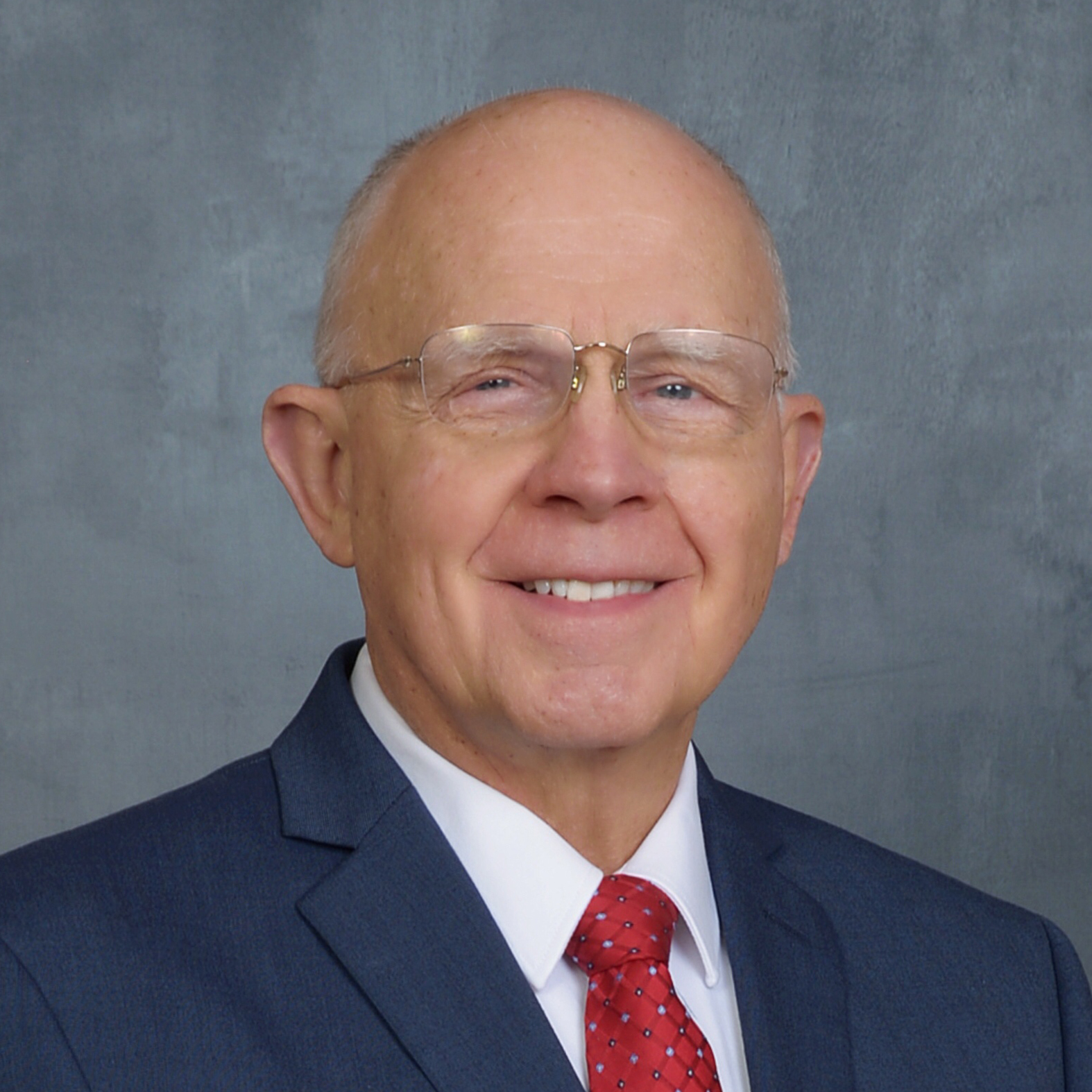
This week, the Dental Amigos welcome Karl Koerner, DDS, MS, Adjunct Associate Professor of Oral Surgery at Roseman College of Dental Medicine. Dr. Koerner is a leader in dental education, training general dentists in oral surgery and providing humanitarian care..
In this episode, Dr. Koerner shares his journey from providing care in a general practice to focusing on global dental education. He discusses the crisis of underserved patients, the importance of proper training for extractions, efficient surgical practices, case selection, and mentoring the next generation of dentists.
To learn more about Dr. Koerner and his upcoming in-person course in Utah on February 26th, visit https://koernercenter.com/event/c3-feb26/ or connect with him on social media:
• Facebook: https://www.facebook.com/kcsidentaleducation
• Instagram (KCSI): @kcsieducation
• Instagram (Dr. Koerner): @drkarlkoerner
• YouTube: @KoernerCenter
Listeners who want to reach Paul can do so at Paul@DentalNachos.com and those who want to reach Rob can do so at Rob@RMontgomery-law.com.
FULL EPISODE TRANSCRIPT
Bumper
Welcome to the Dental Amigos podcast with Dr Paul Goodman and attorney Rob Montgomery, taking you behind the scenes of the dental business world, all the things you didn't learn in dental school, but wish you had Rob is not a dentist, and Paul is not a lawyer, but since Rob is a lawyer, we need to tell you that this podcast is for informational purposes only and shouldn't be considered legal advice. Listening to this podcast does not and will not create an attorney client relationship, as is always the case. You should formally consult with legal counsel before proceeding with any legal matter. Learn more about the Dental Amigos at www.thedentalamigos.com. And now here are the Dental Amigos.
Rob Montgomery
Hello everyone, and welcome to another episode of the Dental Amigos Podcast. I'm Rob Montgomery, and I'm joined, as always, by the head nacho for himself, Dr. Paul Goodman. Great to be talking, Rob. It's gonna be talking to you, Paul, here on the only podcast that is co-hosted by a lawyer and a dentist. We're special. We are, and today we have a very special guest, someone that I'm excited to get to know and chat with, certainly a trailblazer in the space with continuing education. And what he does for the community is awesome, and he was doing it before everybody else was doing it. And as you even said, Paul, he was an inspiration to you, and I want to hear a little bit about that when we, when we, after we, before we get started. But we're talking about Dr. Karl Koerner, who has been an associate professor of oral surgery, now an adjunct professor at Roseman College of Dental Medicine in Utah. He graduated from the University of Washington School of Dentistry and also has a master's degree in education. He's awarded Alumnus of the Year 2024 at the University of Washington School of Dentistry. Dr. Koerner has given the National AGD WET Law Award for contributions to dental education. He has the Distinguished Services Award from the Utah Dental Association and the Ensign Academy of Dentistry, and is past president of the Utah Dental Association and Utah Academy of General Dentistry. He's given over 1,000 oral surgery presentations for dental organizations in the U.S. and around the world and in CE departments of many dental schools. His courses include online, in-person, lifelike models, and patient treatment. Patient treatment courses provide pro bono care to underserved in the U.S. and Dominican Republic. Though not an oral surgeon, he received oral surgery training in the U.S. Army and, in his Utah general practice, performed only oral surgery for over 20 years. Dr. Koerner has authored or co-authored four books on oral surgery, over 30 articles, and, with Dr. Gordon Christensen, has made videos, teaches courses, and is on the Clinician's Report board of directors. He's fluent in Mandarin Chinese and has organized 16 trips for humanitarian service and exchanges with Chinese dentists over the years. So a legend in the dental education world. We're happy to have him now. Without further ado, welcome, amigo, and thanks for being on the show.
Karl Koerner
Well, thank you for having me. This is exciting. I'm glad to talk with you and share a few things, see what questions you have, talk about surgery for sure.
Rob Montgomery
Before we talk about surgery, you know, yes, you're talking to Dr. Nachos.
Paul Goodman
One standard question. Karl, so if we were out in Salt Lake and we said, let's go for nachos, which place would you take us to, and what's your favorite nacho topping?
Karl Koerner
Well, we're kind of in the suburbs, but the place my wife and I like is called The Matador. You know, an appropriate name, yeah. And, you know, nachos are good any kind, but, you know, lots of guac is, you know, as long as it has enough of that, I'm good. Not so hot, you know, not, I'm not a real spicy type person that way. But, you know, there's always good Mexican food somewhere, right?
Paul Goodman
Yeah, they say nachos are a universal food. Even no matter who we have, from Jason Smithson to England, anywhere that, you know, they come in all different types. So it's, you know, fits, fits with our theme of sharing, making new friends. And, you know, they can get messy. It can get messy in the dental world at times, just like real nachos. So I am thrilled to talk with you.
Rob Montgomery
And I just say too, before I either, like, there's, I've had lots of great Mexican in the Salt Lake area. And, you know, I, you know, Salt Lake and that area, we spend time out there. It's one of my favorite places in the country and just a really super cool community. And so I haven't been to The Matador. I made a note.
Paul Goodman
This is altruistic in service, Karl. We're making our own list of places to go we can publish.
Karl Koerner
There we go.
Rob Montgomery
Before we get started, I went, you know, I know Paul's got some specific questions, but I would like to just talk to you guys. And because before we called you, even you, Karl, Paul was talking about when he first kind of became aware of you. It's just like, because I think it's really cool, sort of connection. And, you know, if you can just tell our listeners, Paul, how, how did Dr. Koerner first kind of appear on your radar?
Paul Goodman
My amazing dad, you know, sadly passed away, but he was, did the Air Force. Karl, if I told that he did a lot of extractions. So he did extractions his entire career. And he said, you have to be, you know, good at extractions. Learn about extractions. And we took a course at the Greater New York Meeting. I don't remember this. And I was sitting in New York, and you were live streaming extractions in Utah, and we were watching you on, like, you know, there was no Zoom back then. I want to say it was 2003, Karl. Maybe you remember, but it was amazing to watch. Yeah, watch. I mean, you think about this, Rob and Karl. I mean, I admire you for, you've inspired me because I've done a lot of live streaming, but there was no Zoom. But I just thought it was amazing. We were sitting in a room in New York City watching you teach us, you know, on a patient. And I just, you know, I've always admired you and compliment you for always being a trailblazer in this type of education.
Karl Koerner
Well, I remember that very well, and I was doing it from Ultradent because they were the only facility that had that capability at the time. So, yeah, I know Dan Fisher there. That's a good company, but they were cutting edge with that kind of communication back then. That was, Rob, and by the way, I was just invited to speak to the Greater New York, so I'll be there this coming November.
Paul Goodman
Oh, well, I'll see you. Think about it. That was like Jetsons-esque. Use a thing from our childhood, right? You know? And it was just, just really cool you did that. And, you know, champion for the general dentist. Maybe we can kind of start with that a little bit. We have a few things on our great topics, but general dentist, you know, which I'm a general dentist. My dad was a general dentist. People then just graduating from dental school as general dentists. Why do you think, Karl, it's so important for them to be trained to do extractions?
Karl Koerner
Well, you know, there's, there's a lot to that question. And we can start by saying it used to be that general dentists would learn surgery, but that's changed a lot. A lot of schools aren't teaching it anymore. The ADA has given each school the ability to decide what level of competency they want for surgery, and the bar right now for most schools is really, really low, which means they don't learn anything about surgical extractions clinically. They may have some didactics. They may see some cases in that. But I was teaching at UOP a few months ago, and I had a couple students after the CE course, after the post-grad course. They were from UCSF, two of them. And I said, well, how many surgical extractions did you do in school? And they both, in unison, said, none. And that's becoming the way it is around the country. Now, not all schools, because each school, according to the ADA, can determine their own level of competency that they want students to graduate with. And some are good, like where I teach at Roseman here in Salt Lake City. And also, I spoke at the University of Utah dental school the other night. Those are two of the best in the country. They'll graduate with like 40 extractions. A lot of them are surgical. Some students up to 200 if they take advantage of some of the outreach programs that a school may have for them. So it really varies a lot. So to your point, you know, it would be nice if they could still learn it. And unfortunately, it's not as good as it used to be.
Paul Goodman
Yeah. I mean, I'll kind of chime in. And, you know, we have podcast guests on leases where, Rob, you know, I have more of a bystander. They're more interesting than you think, Karl. But I think, Rob, you know, since he works with dentists at all ages and stages, the thing I'll add is someone you know who does job connect, and you sponsor our awesome community. I remember during the pandemic, Karl, we had an interview with one of your, you know, extraction mentees, and he was able to keep his job because he could do extractions. So, for our listeners, what's the value to the dentist being able to do extractions, whether they're an associate or new owner, from a business model perspective, patient health perspective, and being valued in their office?
Karl Koerner
Well, let's just say there are opportunities that they can become competent, despite some of the situation going on. But there are places where they can learn those things. And, you know, that reminds me of a dentist in Phoenix that, you know, it was during the pandemic, and he was interviewed for a job, and the reason he got it was because of his surgical knowledge, his ability to do not all surgical extractions, not all of them, but a significant number, like maybe 80%. So that would be what I would see as a goal for a general dentist: not to do all the really difficult ones. That's why we have these wonderful oral surgeons who are so well qualified and can help so much in so many ways. I mean, we're always going to refer things—some of the extractions, some of the implants, some of the third molars. That just goes without saying. But if a general dentist could do like 80% and recognize the ones that maybe aren't in his comfort zone, that is huge for that dentist, to be able to better provide for their family. And not only that, to take that knowledge and go on and maybe do implants or other things. Foundation, yeah.
Rob Montgomery
And we see it too. I mean, I, you know, my clients that are doing startups that have this expanded skill set, whether it be extractions or other sort of quasi-specialty things, have a bigger skill set and are able to draw a bigger patient base. And, you know, routinely, when we have docs that have especially a military background that are transitioning into practice ownership, I mean, you, I guess you probably could put a dollar amount on it. It's a big, it's a big, it's a big amount. You know, it's like the difference between being able to do something yourself or having to refer it out. And when you're growing your practice, you're able to do more, and you can do it well, then there's a return on—
Paul Goodman
Yeah, that's the win that I think bring to light to our listeners also, Rob. And I, you know, I like analogies. I can't—I'm trying to think. You know, people need an extraction, Rob, because they have a problem. And sometimes that problem is an emergency, an urgency, or a do-it-anytime emergency. And I don't know what happens inside of here with an LOI or an asset purchase agreement or an employment contract that becomes an emergency or urgency, but if you were totally tied up, people would give your associates a chance to help them with their urgency, their LOI urgency. And Karl knows this. You know, that was how I was able to see patients, my dad, because he could say, well, my son can do this extraction. You have an urgency. And it's kind of like they had to give me the chance, or their problem would be solved. And I think that's so important for our listeners to understand—that patients will give you the chance when sometimes, you know, they don't have any other options and they need it taken care of. But if you can do it well, it starts to build a relationship with that patient. And that's why, you know, learning that is so key for a dentist who's trying to be seen as a problem solver in their community, be valuable to their practice. And, you know, I know, Karl, you train people to do that, and I just think our listeners should understand that. Because also, Karl, I would ask you this, and maybe—why do you think most—no, I did many extractions as an associate. I loved extractions. I got trained in my GPR. But as I went on in my career, Karl, I totally gave up on doing extractions. So why do you see some practice owners, even though they can do them, just give up on doing extractions in your experience?
Karl Koerner
Well, you know, there may be things they just like better. Maybe it's more into cosmetics, or more into crown and bridge or something like that, you know. Or maybe they don't keep up with gaining more surgical skill. They kind of are coasting on what they had early on, and they aren't taking those kinds of CE courses that would keep them confident and comfortable. So, I don't know. There's different reasons.
Paul Goodman
I would share those are all great reasons. But Rob and I talk about all these challenges of being a business owner. Some of the other ones, Karl, I realized were I had so many other things to do that when my associate had a 90-minute opening, I'd say, you do the extraction. I'll go fight all the fires outside of the operatory, right? And you become just—I mean, you probably see, Rob, if you had an hour free, you could do many things for your business. So if you had an associate who could do that, that's the win-win. Well, it's—yeah, so you scale, yeah. So I think if people listen, it's that. And also, Karl, you know, like, I always think extractions—you could schedule 60 minutes and be done in two minutes, and you could also schedule it and use all 59 minutes. And even when you were really, really good at it, I don't want to say it's unpredictable. You know you're going to get the tooth out. But I just think as a practice owner, you welcome the chance to share that joy with your associate dentist. And I just think that it's such an important—I know we're reinforcing—such an important thing for associates to do.
Karl Koerner
Well, share the opportunity to do it. But also, as an owner, if you have those skills to be able to do some mentoring—
Paul Goodman
I'll bail you out. Let me know if you have any problems. I'll be over here doing payroll, refereeing something. I'll be refereeing or doing payroll. But if you can't get that tooth out, I'll pop in at the end. And, you know, I know I want to talk about your underserved things. They're important, Rob. But before we go on, they give you the chance. Oh, go ahead. Yeah.
Rob Montgomery
So, I mean, with that, you know, obviously a lot of young dentists now, Karl, are being trained and mentored in DSO-type environments. Like, what are you generally seeing in the DSO space when it comes to training dentists to improve their oral surgery skills?
Karl Koerner
Well, I think all the DSOs realize that that is a need and even an income center for the company. And they—the employees—need to know how to do those things. A lot of times they'll just target certain individuals that are the best at it, and maybe they're the ones that do that. But I think because schools are maybe lacking a little bit nowadays, the DSO has to do some in-house training, and I'm seeing that quite a bit. I'm seeing that there may be one oral surgeon or more in the DSO, and that person may do some of the training, or other people that are just well qualified and have the ability to teach may be teaching the younger people how to do it, mentoring them chairside or whatever. So there's a lot of training going on. Affordable Ventures, particularly—that's all they do is they do extractions, they do implants. But even the others, like, you know, the ones that are more well-rounded with all the disciplines, there's some in-house training going on, which I think is a good thing. Unfortunately for me, I've taught a few courses for them, and they've really treated me well and, you know, paid me a lot. And then they actually take my stuff and teach their own people. So, I mean, you can't help that, and I don't mind that. But they want to do a better job of teaching, and if I can help their teachers be better teachers, then that's good for me too.
Rob Montgomery
That's good, interesting stuff.
Paul Goodman
And I was gonna kind of chime in, Karl. It's like you teach me. This isn't a clinical podcast, but Rob can deal with it for a certain amount of time. Just, you know, we have people listening to their deal. It's clinical. You know, this stuff has to happen inside the operatory. But it kind of goes back to our theme of this is decision making. You know, Rob talks about purposeful decisions. And there's that, like, talk about just, if there's a dentist listening, saying, I want to get into this, but I want to not stay in—I want to stay safe, but I want to go out of my comfort zone. And they're already turned around. How do they—how? What would you talk to them about complications and avoiding them in case selection? What path would you send them down if they're saying, I'm ready to do this as an associate or owner, but I want to stay safe but grow, not get into too much trouble. What would you say to that dentist?
Karl Koerner
Well, you know, there's skill that you get from dental school, which varies a lot, and then there's other places they can get more expertise. You mentioned the GPR, so there's GPRs, AEGDs, there's oral surgery internships, there's all of these things. But if a person is just kind of mediocre or intermediate and wants to get better, but doesn't want to face, you know, panic situations where, what do I do now? I think the answer is more CE by people that really care about helping a general dentist to be better. But not only that, not only to be better, but to know what you shouldn't be doing, to know what is beyond your scope. You need to, as an individual, as a clinician, recognize—even by an X-ray—this is because of the X-ray, maybe, and then because of the patient's health status, here's a red flag. You need to know where the red flags are and be able to send them to somebody else that has more training than you. So I think teaching oral surgery is also teaching when not to do it, you know, when it's beyond you. And if people don't know that, then they need to get on the ball a little bit more and become proficient with that aspect. Don't you think?
Paul Goodman
Yeah, that's it. That's not clinical advice. It's everyday advice. It's everyday advice, right, right? What's important—red flags. You know, it's cliche, but it's the, you know, know what you don't know. And it's hard to do that, whether it's from, you know, calling the person on the sign for a lease, Rob, and say, I just call them. Isn't that—that's not a red flag, is it? To getting in over your head. And, you know, the uncomfortable conversation. And it's not just about DSOs. There's dentists who don't have this training who may feel like they should be doing it because they feel some type of pressure to do it. And it's not to say—and they just—it's resources like you, Karl, that can keep them safe. And some of the best patients you see, the ones you refer on down the road, and just do some, capture some of that production and help them, but know how to select cases. And I think that's, I think, Rob, that's like the toughest thing for anyone new in any business.
Rob Montgomery
Well, certainly professionally, too. I mean, any profession, especially. I mean, you know, we know—know what your limitations are. I mean, it's good to do things that you know and expand your skill set, but, you know, you shouldn't be doing it until you know how to do it. Because obviously, you know, preaching to the choir with this, you will spend more time and have more frustration if you're doing something that you're in over your head.
Paul Goodman
Yeah, and I will share, Karl, I come into this law office, but I'm the only client that comes in. Apparently, there are favorite clients that come in, so it's funny. Karl, if you think about this, you know, Rob and his team do their attorneying—that's what they call it. And they can back each other up on Zoom or walk next door to the room next door. But maybe the backup factor in oral surgery—you have to have a plan for that. I don't know if I'm articulate, Karl, but like, well, you know, whether it's an oral surgeon down the road, whether it's a bigger, stronger dentist in your practice, I think that's a key part of the growth process.
Karl Koerner
That's really true. I mean, even if you really think you can, and you actually do about 80% because of your skills, and you know there's this many that you're not going to be doing, it's nice if there's someone in the office, like we talked about, that maybe knows a little more than you. But really, when you think about it, oral surgeons are kind of the—what's the word—they're where the buck stops. You know, they know so much. And, you know, if we're going to have—we need to have them as a friend, you know, not an adversary. We need to be referring them things that we wouldn't do anyway, like doing implants and doing third molars. I mean, how many general dentists take out impacted third molars? Not that many. Maybe 10, 20%, but most people don't do that. So those are a lot of referrals that could go to the oral surgeon. So if you're sending third molars, if you're sending implants, you need to not spread it around to all the surgeons. You need to pick one or two and know that you're sending them so much that if you have a problem, they're going to drop things to help you, right? So you need to have those kinds of oral surgeon friends that are in your debt, if you will, because you help them make a lot of money by sending those implant cases. And so that helps a lot if you can develop those relationships.
Paul Goodman
It's a key point. I know dentistry is different than business referrals. You know, we have more restriction, but it's just like collegial referrals, right? Work with people. Don't just send me your problems. It's good advice in life. Don't just be the person that when someone sees your patient, your text or your email or your call, they go, “Ugh, this is gonna be a problem,” right? And it's interesting why dentists are like that, Karl. I don't—you know, just like there's so much to go around, there's so much to learn from each other. You create a friend. And I, you know, I think that advice is so valuable inside your clinical life, but also just in your leadership and business life, is create allies instead of adversaries. And the more people—more ability to find that there's plenty to share. I want to also, you know, we talk a lot about charities, humanitarian things. You do a lot of mission trips, Karl, and talk about the underserved people. Tell us about your mission trips. I know sometimes that's opportunities for people to learn about either, A, how to do oral surgery, or, B, also just helping people. Tell us a little bit about that.
Karl Koerner
Well, that's really true. I mean, especially if we're doing well and paying the bills. I mean, we want to give back, and we want to help others, and there's different ways to do that. I mean, I've had a lot of trips to China. I lived in Taiwan for a while, and so I learned Chinese, and it's really exciting for me to go over there and make new friends and go into dental clinics where they let us come in there and use their facilities for free, and they'll even go to the orphanage and bring van loads of kids for us to treat. There'll be extractions, and there'll be other things. It's so satisfying to be able to do that. And oftentimes, especially if it's in other countries—and maybe not with the orphans as much as the general population in a third-world country—you can actually learn things by the peers that are with you as you treat indigent patients. And maybe you're doing things, you know, but you're maybe learning a little bit at the same time. So it can be a dual thing, where you help and you also advance your own knowledge as well.
But, you know, you don't have to leave the country. There's so much in the U.S. now, you know, especially with substance abuse. There's like—we could count maybe five different categories of substance abuse. And you know what? All of them include dry mouth. And when you get dry mouth, you're going to have—it's like that pine tree beetle that eats around the ground level and the pine tree dies. And you see all these forests have been infested by some insect. I mean, that's how these teeth are too. I mean, they just fall apart. They turn black. And not just substance abuse people, but others—people that don't have insurance, don't have jobs, don't have that ability to get regular care. If there's not dental visits, you don't get regular dental visits. Eventually, everything defaults to extraction, right? I mean, if you can't keep up with the cavities, eventually you're going to lose your teeth. And then when you do that, you're looking at maybe $7,000 to $10,000 for the extractions, and another $4,500 to $5,000 for the dentures. Who can afford that?
I was looking at one study that said 30%, if you use that standard, 30% of the U.S. dentally is underserved because they are in that boat. You know, they aren't able to get the right care. And where are they going to go? Community health clinics. Well, if the graduates aren't getting training, who's going to man those community health clinics? So we're developing a kind of an acute situation in the country where there just aren't enough providers to take care of these people in need.
And some would blame it on oral surgeons. I don't do that. I mean, if I were an oral surgeon and had gone to four to six years more of school, that much less time for retirement, less time earning a living, I've got a high-overhead office because it's a medical office. It's not, you know, like a general dentist office. It's a lot more pricey to run that office. And then you ask them to do extractions for you, and they're only—if they were Medicaid—they're only going to get 10% of what they would normally get. Ten percent. And you know, they just can't afford to do that. So I don't blame them for having quotas and saying, I can only do this much. So it's—how do we fix this? I don't know if there's an answer right away, but as general dentists get less training in surgery, the people going into community health don't have the ability. They're undertrained or untrained. It's going to get worse before it gets better, I'm afraid.
Rob Montgomery
That's kind of alarming.
Paul Goodman
Yeah, it is a real, real thing. And I was, you know, as you were talking, Karl, in the beginning, when you talked about these mission trips, we're not too far past Christmas. So I watched The Grinch with my own daughters, and I saw a funny meme that said, “Oh, the Grinch wanted to just hang out with his dog and live on top of the mountain alone. I commiserate with the Grinch now.” So it's like a funny way, just sort of saying, like, you know, he wanted—but the Grinch in that movie, it's the classic thing where his shrunken heart grows again when he feels this. And I feel like that's a little bit dentistry, dental, Rob, because every dentist—yes, they might want to be successful financially and do well—but they kind of wanted to help people, right? And when you do these mission trips and you do something like we do donated dental care, it does help your, like, shriveled dental heart grow again. And I say that in the most positive way, because it's pure, right? It's pure. And I think that is a good message to leave our audience with, Karl, because, like, find a way to do this. We do donated dental care. Like you said, it could be going out of the country, but there's plenty of places in the country to do it, and it really reminds you of why you became a dentist. And even just for a day or two weeks, it's a bright spot in what can be a frustrating journey at times.
Karl Koerner
Well, and if we're getting close to the end, which we probably are, let me just say, you know, I've been doing it for a long time, and you know I'm not going to be doing it forever. But I fortunately have found people that are like-minded in that they know what they're doing and they like to teach. And so hopefully we can provide some resources for them to up their game a little bit, up their skills, so that they can do more surgery as well as other dentistry too.
Paul Goodman
Awesome. Karl, it's great inspiration, good stuff.
Rob Montgomery
Karl, if people want to learn more about what you do and your events and your education programs, how can they do that? Where can they go?
Karl Koerner
Well, www.koernercenter.com
. If they just put that in there—K-O-E-R-N-E-R—that's my last name—center dot com, it'll show courses. And there's a series of courses that, if they took them, they could go from, like, not knowing too much to maybe the 70–80% being able to do it. It includes—one part of it includes actually book chapters and classic articles that they study and are tested on. And then it goes to didactic, but with models where they actually do extractions on models with someone looking over their shoulder—low-risk opportunities to learn. And then finally to the next level, which would be the patient treatment for three days, where you spend 30–33 hours. You work morning till night with the instructor right chairside, helping you to know what to do next and not to take too long doing things.
Paul Goodman
Amazing feedback. As our—not just sponsors, reporter, and everyone should check it out. Karl, you're really doing amazing things with that, from basic to advanced training, and it's done in a way that I know is just responsible and fun, and my community's loved it. So thank you for that.
Karl Koerner
Well, it's a pleasure to do that, and thank you so much. Nachos—to be able to share with so many thousands of people. I mean, when I first met you, Paul, it was like 17,000. Oh, that's so awesome. Well, it's a lot more than that, and it's a lot of teaching and giving in there as well.
Rob Montgomery
Karl, and for our listeners, Karl's contact information, the website will be up on the show notes, and so will his social media handles. And we'll make sure that when we send this out in our show notes, we'll try to get some of the upcoming opportunities captured as well. And Karl, thank you so much for taking the time, and thanks for all you do for the dental professionals around the world.
Karl Koerner
Well, you guys are awesome. Thanks for doing this.
Paul Goodman
Thanks, Karl.
Rob Montgomery
Well, we had some time with a legend today.
Paul Goodman
Yeah, he just represents everything that's right with dentistry. I mean, I can't say enough. A lot of his inspiration is a big part of what I do—teaching, giving back, you know, helping people feel good about themselves. Really, it was awesome to talk with him.
Rob Montgomery
Yeah, it's great, you know. And I've seen his name and seen his stuff out there, and they've done a world over the years. So I was happy to finally get to meet him and talk to him.
Paul Goodman
Yeah, he's like the—I don't know—he's like the Tom Brady of dentistry. He's still doing it, you know. So it's impressive.
Rob Montgomery
He inspires me. Part of the inspiration and origin story to Dental Nachos. Yes, that’ll have to get a chapter in the book. Yes. All right, thanks everybody for listening. Thank you, Paul. Until the next time.
Paul Goodman
Thanks, Rob.
Bumper
Thanks for listening to another great podcast with the Dental Amigos. And don't forget to tune in next time to have the dental business demystified. If you're looking for more information about today's podcast, you can find it on the dental amigos.com if you're looking for Paul, you can find Paul at drpaulgoodman.com and if you're looking for Rob, you can find him at yourdentallawyer.com This podcast has been sponsored by Orange Line Media Group, helping dentists and other professionals create content people love. Find out how we can help you take your business to the next level at www.orangelinemg.com. Till next time.
.png)
.png)

.png)