
.png)
Episode 150 — Paul Goodman, DMD’s new book: “Dr. Nacho’s ABCs of Patient Communication”
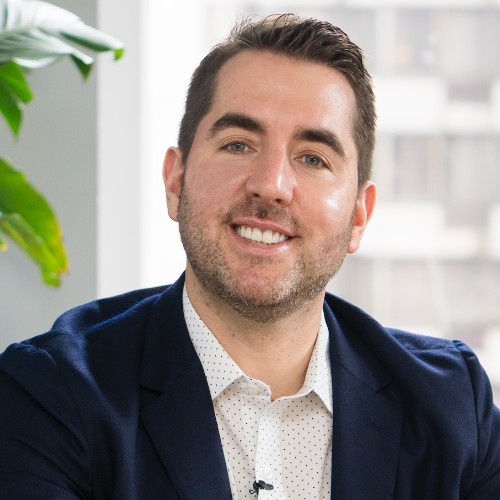
This week, Rob and Paul chat about Paul’s new book, “Dr. Nacho’s ABCs of Patient Communication.” As many of you know, Paul is passionate about helping dentists improve communication, leadership, and practice success through simple, effective language. Paul brings years of experience as a practicing dentist, multiple-practice owner, and founder of Dental Nachos to his writing. He’s excited to share his new book, a valuable resource for dentists, which is now available on Amazon.
In this episode, Paul shares some highlights from his book, including the importance of patient communication in dentistry and how small word choices can dramatically impact trust, anxiety, case acceptance, and team culture. He discusses the value of replacing technical or negative language with relatable, “human-centered” phrasing that helps patients feel understood and confident in their care decisions.
You can purchase Paul’s book, “Dr. Nacho’s ABCs of Patient Communication,” on Amazon:
https://www.amazon.com/Dr-Nachos-ABCs-Patient-Communication/dp/B0DGBDMW65
Recommended resource mentioned in the episode:
How to Speak – Patrick Winston (YouTube)
https://www.youtube.com/watch?v=Unzc731iCUY&list=PLUl4u3cNGP60eUvXa1jfVT9BsBsqAICr_&index=1
To learn more about Paul and Dental Nachos, visit https://www.dentalnachos.com/ or connect through his educational platforms and resources.
Listeners who want to reach Paul can do so at Paul@DentalNachos.com, and those who want to reach Rob can do so at Rob@RMontgomery-law.com.
FULL EPISODE TRANSCRIPT
Bumper
Welcome to the Dental Amigos podcast with Dr Paul Goodman and attorney Rob Montgomery, taking you behind the scenes of the dental business world, all the things you didn't learn in dental school, but wish you had Rob is not a dentist, and Paul is not a lawyer, but since Rob is a lawyer, we need to tell you that this podcast is for informational purposes only and shouldn't be considered legal advice. Listening to this podcast does not and will not create an attorney client relationship, as is always the case. You should formally consult with legal counsel before proceeding with any legal matter. Learn more about the Dental Amigos at www.thedentalamigos.com. And now here are the Dental Amigos.
Rob Montgomery
Hello, everyone, and welcome to another episode of the Dental Amigos Podcast. I'm Rob Montgomery, and I'm joined, as always, by the head Nacho himself, Dr. Paul Goodman. Great to be here, Rob. It's good to have you, Paul. And we have a very special show today. We have, instead of a guest, we have my amigo, Dr. Nacho, who I will be talking to about his new book, Dr. Nacho’s ABCs of Patient Communication: Learn How to Build Your Dentisting Core, by Paul Goodman, DMD. And this is really a cool, short book that I think has lots of good tips for dentists. We're going to talk to Paul today about why it's important to talk to patients, why patient communication is so important, and what do many dentists get wrong and why. And before we get into it with Paul, I'd like to start by reading the introduction to his book, which I think really kind of captures the essence and the mission that Paul has on this subject, which I think is really something that all dentists need to be, need to take note of.
So, as I walk through the streets of Philadelphia, my favorite place, I'm reminded of my favorite movie, Philadelphia, with Tom Hanks and Denzel Washington. In that movie, Denzel Washington says one of my favorite lines: “Explain it to me like I'm a two-year-old.” That is a great way to learn something and a great way to teach something. Dentists tend to make things too complex by using words that are too technical, which leaves patients confused. I want to help dentists talk to patients like people through my “don’t say this, say this” process. In this book, I'm going to discuss the ABCs of patient communication. Like my role model, Denzel Washington, in Philadelphia, I'll explain in a way a two-year-old can understand to ensure you'll be able to use these ABCs in your daily dental day. Talking to patients like people and not like weird other dentists will help you become a happier dentisting human. You want to offer more patient-centered care and more profitable care. Of course, you do. You have a business to run. If you're an associate dentist, that business is yourself. If you're a dental student, that business is paying back your dental school debt. We all want to connect with people and motivate people. We just need the words to make that happen. I want to help you achieve just that.
So, without further ado, here's Dr. Nacho. Welcome, amigo.
Paul Goodman
Thanks, Rob. I really appreciate this time. I loved writing this. I'm excited to talk to you about it and appreciate you taking the time to read it as a non-dentist.
Rob Montgomery
Yeah, it's a, well, it's cool. I mean, and I think it's a topic that anybody that's in the service business or professional services needs to be aware of, and it's communication. No matter what you're doing, it's important for your business and important for how you communicate with your team, your patients, your clients. And as basic as some of these things seem, and as intuitive as they are, sometimes you just need to hear them again and think about them. So, but before we dig into the book, of course, we can't have an episode of our podcast without asking the guest, what is their favorite Nacho topping? And if we were in your city, being Philadelphia, although you're around a lot, Paul—yes, I am—you two cover a lot, a lot of territory, but home base is Philadelphia. So if we were in Philadelphia, where would you go for those nachos?
Paul Goodman
Well, my answer has been consistent. I want to expand on this. So it would be El Vez at 13th and Sansom. Get nachos. Shredded chicken is my favorite. They're signature, serving them on the pizza pan, so all the toppings are evenly distributed. But, you know, Mark Costas, a guest many times, when I brought him to a video here, he said, “I don't know if Philadelphia has any good Mexican food. You know, I'm from Arizona.” He actually, I don't remember, he ran a taco truck. And when he came back to Boost Camp, I think he went twice to El Vez. As he says, it really does deliver. Wow. So, you know, don't just trust the guy who calls himself Dr. Nachos. El Vez, 13th and Sansom. And it's always a fun time at Boost Camp, where people proudly show their pictures, their selfies, if you will, with those nachos.
Rob Montgomery
Yeah, that's cool. That's a good spot, and I do like the nachos there as well. So, Paul, I guess what led you to want to write this book?
Paul Goodman
I mean, it's a culmination of, throughout the years, you know, I've been told, you know, I love the way you phrase things, put things, put people at ease, simplify things. So I said, you know, I want to put together, you know, I thought it'd be fun, the ABCs type, where there's a letter for each word. And I wanted to put it together that was easy to read, anyone could use it. Some of the ways that dentists and teams have used it is they use it in what's called the morning huddle. So when dentists get ready for their day, Rob, and they have all these patients coming in, good offices—and we didn't always do this, and I regret what we did—we have a morning huddle in the morning. We talk about challenges, opportunities. We read a good review. We have a system called TSPS: Treat Special People Special. So if you are a patient, Rob, and it was your birthday, we might say, “Happy Birthday, Rob.” But they pick a word from this book, even my own team, to say and not say. And they make it fun. And because everyone needs to be aligned, you know, good brands, good businesses, they're all on the same page, you know, literally and figuratively. And some of the fun things that happened down, so one, people who've got this, a lot of associates, they put a bingo game together for their office, and they have a contest. And you say one of the right words, you get, like, a chip. Someone wins. I thought that was fun. And I just thought, as a dentist, you know, my amazing dad, I said, you know, he took helping people seriously as a dentist, but never took himself too seriously. And us dentists, we could have a taking-ourselves-too-serious problem. So I try to put some of the fun and better energy back into what we call the operatory—that's the room where you get your work done—but also the whole office, right?
Rob Montgomery
That's cool. It's good. It's great stuff. And I enjoyed reading it too, because there are so many of these words and these concepts that I recognize from Dental Nachos and CES and just, you know, being with you and hearing you speak and help dentists over the years. And, yeah, I kind of felt like a lot of it sort of got consolidated into this one very digestible place. So it's really cool. Nice job with this, and thanks for sharing it with the audience. So why, Paul, is patient communication important?
Paul Goodman
Well, some of this stuff is intuitive, and some of these things are clichés, but you need to be reinforced, right? You know how to be healthy: sleep well, right? Drink water, eat right? But that's harder to do than it seems, right, Rob? We all know, but it is so, in the heat of the battle of dentisting, which I call full contact arts and crafts, on people who don't want to be there, pay for it, right? I mean, basically, that is what we do. You know, we are in people's faces doing full contact arts and crafts. It's easy to become reactive instead of purposeful. So I just wanted dentists to understand most people, patients, are judging you totally by how you make them feel with your words, because they have no idea how good your dentistry is.
And, you know, as someone who does transitions, I think a lot of this episode, Rob, will be helpful to you. And it's like, you've helped dentists acquire practices of older dentists, right? And sometimes you look in those patients' mouths, and the patient says, “I had the best dentist in the history of dentistry.” You look down and be like, objectively, that's not true by the work, but they had made that patient feel good. And this is not to throw any other dentist under the bus, but I've dealt with that in acquiring practices. So what? Even in that situation, Rob, where you have a patient that you've acquired from a previous dentist, how are you going to navigate a difficult conversation, right? When they say, “Oh, the other dentist never said that I ever needed a crown,” and they have five crowns in their mouth, right? Right?
So I just think this is along, it's the core of our podcast, the things you wish you learned in dental school. And this is just not talked about in dental school. And one of the things that I hope I can help is, like, learning a technical skill takes time, right? Whether shooting baskets or dentistry. But you know what takes no time, Rob? Just saying different words out of your mouth, right? Literally takes no time. You just cross off one word, you say the other word.
And I've had dental students who say, “I use this in dental school.” You reminded me of my introduction, Rob. I lecture to dental students, and then when I say to them, “I have bad news for you,” I'll set this up. So in dental school, Rob, we have to get enough procedures done to graduate. And in Penn Dental School, they were called points, and I had to get 315 points. I remember this 22 years later. And a crown was 10 points, and a filling was two points, and a denture was 10 points. And you had to accumulate all of them to get the 315 to graduate, right?
And I say, “I have bad news for you guys. Money is nowhere near as good as those points,” right? Like, when I was an associate dentist and someone says yes to $2,000 of work and I make 35%, that makes me feel good, but it did not compare to when I was in dental school and someone said, “I'll do that crown,” and I say, “Hooray, I can get out of this place.” So it goes back even to dental school, where you can use these tips to actually motivate your patients in school, right? Because I don't think law school is anything like this at all. In medical school, you're not usually seeing, you're usually watching a doctor. Mm.
So in dental school, you know, we're the dentist.
Rob Montgomery
Yeah, right.
Paul Goodman
And we have the patients, yeah?
Rob Montgomery
Well, that's unusual, right?
Paul Goodman
Yeah, exactly.
Rob Montgomery
Well, it's definitely not like that in law school.
Paul Goodman
And we have to talk to them and make them say yes. If they don't say yes, we don't graduate. So these skills start on what I call day one of D1.
Rob Montgomery
Well, they might even be more important.
Rob Montgomery
Yes, yeah. That's what I said.
Rob Montgomery
Well, it's funny because you've referenced this a couple times, I think, in the book, but maybe I'm also thinking about hearing it in some of the webinars and CE events you've done. Not only is this not taught in dental school, it's actually some of these bad habits are instilled in dental school, right?
Paul Goodman
Well, if anybody, anyone can use it. Our good friend Mitchell Rubenstein gave me a book, Steal Like an Artist. It's a great book, and it talks about how all ideas are kind of repurposed. And, you know, I start my lectures with a three-minute video of five words to say and not say, and it makes everyone laugh, and they like it. And you'll see some of these book words we talk about. I show this on the screen, whether I'm talking to six people or 60 people or 600 people, just for them to pay attention. So my tip is, if you're running a meeting, get someone to watch a short video to pay attention.
And when, at the end, I say to them, “What'd you take away from this lecture?” And most of them say, “It was those words you said,” because I was saying weird words the whole time. Yeah, yeah, no, shouting hopeless, virgin, failure at people. You know, that's not good. That's what we're taught to tell people. We're taught to tell people, Rob, their tooth is hopeless, right? The tooth doesn't have a feeling. We're taught to call it a virgin, which is weird, right? And we're constantly taught to tell them things that they have done in their mouth have failed, right? Which, just as you probably can guess, doesn't bring good energy.
Like the saving of the tooth, right? Actually, just like I would say, like “private primo orion,” that's one of the books, like, don't say that. Say, you know, as you shared this, you know, instead of saving, say, “It's not a good idea to keep this tooth,” right? It just tweaks the energy a little bit, right? Yeah, save, to me, is so dramatic.
And also, you know, I use this example: like, if you brought a car in that you've been driving for 20 years and the mechanic says, “I don't think we could save it.” Could you dial down the drama, mechanic? I drove it for 20 years. So these people inside of this book, as we talk, like a soap opera. It's not a word, but I'm very well known for the 1,000 meals a year. People use that all over the country, because you do something in someone's mouth, like a crown. It lasts 12 years. I say celebrate it. That's 1,000—hey, Rob, you eat 1,000 meals a year. That's 1,000 meals a year. That's 12,000 meals. Be proud of yourself for it lasting that long.
So my whole mission is to kind of reframe the energy as more positive.
Rob Montgomery
Yeah, yeah, that's cool. Now, why do dentists—why do many dentists? I guess anyone's gonna say most, but I guess maybe most, or many, have issues and challenges with this?
Paul Goodman
Because they talk to the patient like it is another dentist in the chair, and they're afraid that if they don't talk to the patient like it is another dentist in the chair, they're not going to be trusted, they're not going to seem smart. And this is, like, just—it’s a bad teaching of dental school to use these overly technical terms, to constantly harp on what could go wrong. It's very important to share risk, right? I'm big into sharing risk. But, like, dentists, we know too much, right? And the patient can't become an amateur dentist in the chair, so you have to figure out a way to take this knowledge and make it something that the patient can understand in a clear way.
And most dentists do not do this because no one has ever said, “Hey, stop being so technical. Stop focusing on what can go wrong. Start focusing on this.” There are people who teach this besides me, not just me. My good mentor, Steve Rasner. Todd Fleisch, who's on the podcast, is great. And I was just with Todd last night at a big lecture in Cherry Hill, and he said, “Verbal skills are what you need to work on first.” Yeah, because if you know this—like, there's a dentist named Paul Homoly. “Isn't it wonderful when patients say yes?” I've seen him speak. Because you can't do any of your work unless the patient says, “I want to do it,” right? So you can't practice any skills.
So what they get wrong is they focus on this overly technical language, thinking people are going to trust them because they have this degree, and it doesn't work out there.
Rob Montgomery
Yeah, it just makes them anxious, makes them scared. Yeah, makes them question what's going on. Yeah, unsettled, right? None of these are good terms.
Paul Goodman
Confusion and anxiety doesn't lead to “I want to do it.” Yeah? I mean, this happens to me. Like, you know, I'm not particularly great with new apps on my phone. And when I'm confused and anxious, I'm like, “Oh, I can't do it right now,” right? Right? Like, yeah. But if you don't solve this, you are not going to succeed. And it doesn't just mean financially succeed, just succeed with your own morale.
Because it's very interesting. Like, people come to you, Rob, when we talk about most new podcasts, they want to buy a practice, sell a practice, start up a practice, hire an associate. Most of these are things they want to do, right? Like, most people come into the sun with us like they need to do it, but they don't want to do it, right? So it's like a totally different energy, right? Right? Like, dentists need to convey means people, even though they love eating, that they should take care of their teeth, and you need to use these verbal skills to just manage the whole process.
Rob Montgomery
Yeah, yeah. And it makes a difference, you know, in terms of case acceptance, but just the comfort level of your patients and the overall patient experience, right? And I would imagine, too, Paul, that, you know, as the leader in the office, the dentist sets the tone, and your team is going to take cues from you as to how to handle certain situations and how to talk about them, right? And so, as the leader in the office, you know, it all kind of flows down. And if you want to kind of be in this cryptic little bubble, right, and everybody's in the cryptic little bubble, and then the patient pops into there and is just alarmed, right? Yes, yeah. You know, you can, or you have the ability to really set the tone for leadership. Let's talk to people like normal people. Talk to people so they understand and feel comfortable.
Paul Goodman
Talk to patients like people, and magic will happen. So it's, like, a big part of this book.
Rob Montgomery
Yeah, it's cool. All right. Well, so let's dig into a couple of the highlights. You know, I had a few of the words that I particularly liked and sort of recognized from the Paul Goodman sermon over the years. So if we can, let's just roll through a few of these for our audience. The first one was “a lot.” Yeah. So tell me about the phrase.
Paul Goodman
And what I want to tell people, you know, whether the only way you consume this book is through this podcast, I'm flattered. Whether you purchase it—the way these words work, sometimes they're jumping-off parts to get it started. So this is one of my likely most famous answers, because when I say to dentists, “What is the question they get asked more than anyone in their entire life?” Right? Just think of their entire life. And then I cue them, and I say, inside and outside of your dental office, it's, “What does my insurance cover? Do you take my insurance?” I'm not joking, Rob. As a dentist, it's not “How can I whiten my teeth?” “How can I help?” Oh, “Do you take my insurance?” I mean, I'll be at a party, and someone asks me about it, right?
So when someone asks you a weird question, a difficult question, you know the answer is say, “That's a good question. A lot of people ask me that.” It totally makes them feel normal and gives your brain a chance to think for a second, right? Right? “How long does an implant last?” “That's a great question. A lot of people ask me that.”
And then it turns into the way it works. So if we use this insurance question, and anyone can use this, people who say, “Do you accept my insurance? Do you take my insurance?” “That's a great question. A lot of people ask me that. The way it works is dental insurance works more like a coupon instead of regular insurance, one of those coupons that have blackout dates, like airline miles, when you can't fly. We're going to do the best job possible to maximize the benefit of your coupon.”
So now I've taken control of the conversation. I have a system. It's six sentences, and every single person on my team, from the person who answers the phone to the dental assistant to the associate dentist, knows that's how we respond. And the “a lot” part, just as you know, does—are crowns a good idea? “A lot of people ask me that.” A lot of people ask—that's totally normal. A crown is like a hard hat for your tooth. That's actually a Todd Fleischmann one that protects it from breaking.
So it's just like these little tweaks and tips. So that's how I use “a lot” in my dental practice.
Rob Montgomery
Good, yeah, and you can use that a lot of ways. Yeah, yes, exactly.
Paul Goodman
All right, yeah. Next one is that, you know, “What’s an asset purchase agreement and cost?” A lot of people ask me that. Yeah, it's a good question. The way it works is—yeah, yeah.
Rob Montgomery
That's true. That's good. I actually, I think I do use that frequently. Or I'll say, “That's a good question,” yeah, or, “Yeah, a lot of people have asked.” Yeah. Okay, the next one, which is, I think, a Paul Goodman classic, the word “fail.”
Paul Goodman
Yeah. So this is one of the things—I know I can be positive and optimistic. And, you know, a good tip: Sell Is Human by Daniel Pink is an amazing book, and there's something called defensive pessimism, which, you know, lawyers would probably love. So I'm not saying no to it, but it's protecting yourself, right? So I want to just paint this as I'm not just saying be overly optimistic or delusionally positive.
But people come into our office with things that have been in their mouth for 15 years, that they have consumed 15,000 meals with, they've eaten at family parties, and we say, “Sorry to tell you, Rob, this thing has failed.” You hear, you also kind of hear, “You're also kind of a failure.” So I celebrate this, and I say, “Hey, Rob, it's time for this crown, this bridge, your tooth, to retire and be replaced.” And then people smile. And we use “retire” in our offices. It's time for it to retire and be replaced. And if people are listening as a dentist, but if you put yourself in the patient's shoes, that energy is totally different, right?
Rob Montgomery
Well, it's a victory lap, right?
Paul Goodman
Yeah. Oh yeah. Yes, exactly. Retire. It's time to retire. And then people—it's also, like, a fairly relatable thing. You know, I'm not retired, but I know what retired is, as you can imagine. Many of the patients that we see are retired. So one thing is, it's not just about likability, it's relatability, right? So you're just trying to get people to understand.
So instead of “fail,” we just say it's ready, you know? I'll tell a quick story I tell in my lectures. I had a new patient, brand-new patient, right? One of the things that's interesting—and I joke about it—you know, I'm the only client that comes in here. Like, seeing a new patient is pretty wild, right? Like, imagine someone just walks in here and says, “I'm your new client. Let's go,” right? Like, think about how much energy that is with another human being here who doesn't want to be here, has a problem.
So I remember this. I don't remember her name. I don't want to violate HIPAA. I'm just going to call her Kate. Her name wasn't Kate. And she was, like, around my age at the time, I think, her late 30s, when this happened. And she sat down. Before she said anything, she just said, “Everything goes wrong with my mouth.” One of those people, right? I looked in, and she was totally over-exaggerating. She had a few things that had crowns done, but she had broken off a tooth right at the gum line. And she says, “You know, I just feel like nothing goes right.”
And that's why I said, “You know, how long did it last?” Eleven years? I said, “That's 11,000 meals. You should be proud of it. The dentist should be proud of it.” Before we even started the appointment, you know what she said? “You know what, Paul, you made me feel better.” It was the first interaction. Yeah, there you go. And I didn't say it had failed. I didn't say—so that's just why I think remove “fail.”
And we have, like, you know, we have a fun office, but we have a lot of guidelines. My brother—you've met him—he's very guideline-oriented and system-oriented. And we do not say “fail.” Like, if someone says “fail,” we call them out. We don't say that here, right? Ready to retire and be replaced.
Rob Montgomery
Yeah, that sounds good, which is a positive thing. Cool. All right. The next word is “let’s.” Let’s—
Paul Goodman
One of my dental school instructors joked about this. I liked it because, like, the dentist-patient relationship can be quite adversarial, right? Like, as someone who now sells things to dentists, there are things like people will point in their mouth at the dentist and say, “Your crown broke.” And I go, “I think it's your crown. You're the one eating with it,” right? But there's this ownership of, like, sometimes it's like, you know, to use a good example of the patients that the group can learn from—my own uncle, you know, he doesn't mind, he signed the paperwork. He has, like, many dental implants in his mouth. And at a family party, even when he gets the family discount, it's an expense, right, to get implants.
And he's kind of like, “Paul, why do I need so many implants?” Right? He wasn't saying I was making it up. And I said, like, “Your teeth are like a running back, like Saquon Barkley, that's always getting tackled.” Like, the pressure you put on your teeth—it's like you put him in a game, he gets tackled. He goes, “I understand that now,” because he understands a running back getting hurt, right?
So the “let’s” part is like, let's figure this out together. Let's make a plan together. It's me reminding the patient that we're in this together. Like the true thing, “let us,” but it's removing the adversarial nature, right? Like, you see these pictures in baseball—you know, it's a tough time in Philly because they're down 2–0 at the time of this podcast recording—but, like, you know, they have these Tommy John surgeries, and then they might need it again.
And I think orthopedic surgeons likely—I don't have a tremendous amount of experience with them—likely have figured this out better than dentists, where they're not necessarily taking ownership of how much stress you put on your knee after you replaced it. But if you think about it, what dentists are doing, Rob, even—you know, I don't know if you ever thought this way—whether we do a tiny filling, a crown, or an implant, we're replacing a body part, right? People use it every day, sure, and it's your body part, not mine, right?
I mean, I actually grind my teeth sometimes, and I have fillings. So this is a great thing for patients. If you ever have—many, many dentists have perfect teeth. I don't have perfect teeth, but actually, over the years, having a little dental work I've done has made me relatable, because I'm just like, “I have a filling too, and I gotta wear my night guard,” right? So that “let’s” is just to remind patients it's like a “let us” experience together.
Rob Montgomery
Right? And it suggests also, like, a willingness to solve the problem. Yes, right, yeah. And yeah, I think you're right. It takes away this sort of us and them. Yeah, it's a very—quality of—
Paul Goodman
The listeners might be nodding their head if they're at the gym. And yeah, it can be an adversarial thing. So I just try to remove that and put us kind of on the same team.
Rob Montgomery
Cool. Okay. Next word is “keep.”
Paul Goodman
“Keep” is like—I said, it goes back to the “save.” For some reason, in dental school, they teach us to walk into operatories and say, “We can't save it.” And if you just let that statement sit, whether it is, like, I don't know, your house after a flood or something like that, it's just such a—to me—such a dramatic way to talk about a tooth, right?
Rob Montgomery
I almost put that in, like, the same box. Like, when you say it that way, I visualize, like, a 1970s soap opera scene, where it's just everybody's real quiet and serious. We're not gonna be able to keep it. Yes, with the cue, the bad music, and everybody has this real solemn look.
Paul Goodman
Yeah. So to me, I just kind of make it, like, “keep” or “maintain” or alternative words. And the reason why it probably doesn't register as much with a dental-focused attorney as with the dentist listening is because this is our everyday life. Can we save it or not? Can we keep it or not? Can we maintain it or not? And I just try to have a more medium-level energy about it.
Like, if I say, “Hey, it doesn't make sense to keep this tooth. But good news—we've invented bionic shark teeth.” You know, sharks have extra teeth. We've invented dental implants, which arguably can work as good, if not better, than your regular teeth. Because, you know, you're an attorney who deals with risk, Rob, and this is maybe—I've never brought this up before—three bad things can happen to your tooth. It can get a cavity, okay? The bone can shrink, or it could break. Three things can happen to a tooth that's in your head. A dental implant, which is made of titanium and zirconia only, the bone can shrink or it can break. It cannot get a cavity.
So I immediately tell people, “Hey, guess what? We've invented something that can be as good—maybe some can argue better.” Some dentists argue with me. But I just quickly try to shift the energy into problem solving. And, you know, I would be disappointed. I mean, maybe one day I'll crack a tooth and I'll need to have it removed, and that will be frustrating. But I'll try to just—like, I mean, maybe you're kind of getting my theme is that a lot of things we learned in dental school, they're just quite dramatic. Yeah. Like, dramatic ways to talk, right?
Rob Montgomery
Well—
Paul Goodman
—and the way is that soap opera. I like this. It's not a dental soap opera in your operatory. Don't make it as a visual, right? Don't make it a soap opera in your operatory.
Rob Montgomery
I like that. You don't even have to cite me on that, Paul. Okay, the next one is “policy.”
Paul Goodman
This is one I like because I feel like this is kind of a universal one that now brings everybody listening together, you know, people who run any business. So I just think that in the history of people, no one's liked to be told, “That's my policy,” right? And it could be a good policy.
I use an example of, like, in the dental insurance game. If a crown's $1,000, the patient pays $500 and the insurance pays $500. And when we put the crown in your mouth, we can't take it out. So we would say, “Hey, patient. Hey, Paige. Hey, Mrs. Smith. Our policy is you must pay your co-payment or patient portion before we put it in.” And my shift to this is “our protocol here,” because I just think policy has a real harshness to it.
And I've actually learned a lot of things from you. I know your P word is “principle,” right? I just feel like when that word is brought out about referencing a policy, it's usually in a way that's not positive. So I say, “Our protocol here is that your patient portion is due before we put this crown in, Mrs. Smith.” So just make sure that you know that our protocol—
And I mean, a lot of—I've learned this—how to speak by Patrick Winston. I hope we can put it in the show notes. It's an amazing YouTube video that has 21 million views.
Rob Montgomery
Yeah, I've actually watched that before. You've recommended it.
Paul Goodman
So one of the things is cycling on the subject is a big thing, right? Saying it more than once, right? So that's also, you know, what's interesting, Rob, and this goes back to what's wrong. It's like the dentist thinks it's overly simplistic to use, you know, “retire and replace” four times in the patient interaction. But I know that's what you're supposed to do so it sinks in.
So if you're just like, imagine if you're saying, “Our policy is you pay. Our policy is you pay. Our policy is you pay.” All the person is saying is, “This is pretty annoying to hear.” But if you just infuse, like, you know, “Our protocol is you take care of your patient portion,” so just make sure—like, your crown's going to be inserted in three weeks. So your patient portion—our protocol is that you need to pay that. And it's like a little—it’s not really a game. It's a system. I always say words are a system.
So to me, that's just—and that's been a popular one, because I think what's good is when the dentist can relate to it too. So I think you can relate to someone saying, “That's our policy,” and it's never been a pleasant thing.
Rob Montgomery
I mean, there are a lot of people, I think, when they hear something as a policy, it becomes like a challenge, or, you know, like you have to fight the fight. And I like the system. Yeah, the system is telling me that, you know, this is something you have to do. And there are people that, just by nature, react, you know, knee-jerk reaction is just negative to that word and that whole concept. It's like they're being oppressed. Yeah, you're a policy.
Paul Goodman
Like, you think of public policy and all these things. It just goes back to my theme of, like, just make it a little more fun, less dramatic. Say normal words, you know. I mean, I get all kinds of nice things on Instagram, people saying, like, “I always use your ‘retire instead of fail’ one.” And it's just giving these people these tools that are—you know, I joke in my lectures—words are free to say. You can practice them anytime, talk about them with your team, get a book to do them, and then just see how that changes what you do.
And it's not always about selling. Like, sometimes it's about staying sane, right? Like, some of these things must do—it's been—you mentioned it. Yes, they definitely help with case acceptance and they help with treatment plan acceptance. But there's a whole other world us dentists have to manage, from getting your team to understand what's next to having patients understand when they need to come in for appointments. So this whole framework for communication is for the whole game of dentistry.
Rob Montgomery
Sure. Well, look, and the same thing in my profession—we like when things go smoothly, right? You know, and I tell that to clients. Like, you know, this is the way—believe me—we're not looking to get into a fight with the other side. We prefer that everybody just cooperate. Yeah, they're nice to each other. And there's some people that think they're like, “Well, you're being too nice to their side.” Like, well, no, no, we're not. No, we're just trying to get this done in a way that's not argumentative or doesn't take longer, have, you know, distractions through, you know, people not getting along, but—
Paul Goodman
It goes back to, I think, like, adversarial things are not fun to be involved with.
Rob Montgomery
No, no. And they're not usually efficient or productive either. Rarely do you—are you able to accomplish something if you have a fight in the middle of it, right? Yeah. Or I should say, accomplish something as quickly or as efficiently if you have to take a detour of some dispute or an argument.
Paul Goodman
I mean, as you're saying this, you know, like the dental insurance game is very adversarial. And it's like, you know, we have to ask permission. Can you do this work? I mean, this is happening in the medical insurance world too. So it's like all this kind of chaos, commotion, and confusion is already baked in—nacho pun intended—to the dental world. So you might as well control what you can control, right? And that's the words coming out of your own mouth.
Rob Montgomery
Yeah, right? I like that. Yeah. That's really impactful. And before we move on to the next one, too—so you said there was the Patrick Winston—
Paul Goodman
“How to Speak” by Patrick Winston—21 million YouTube views. I can do, like, three things. Well, I do a lot of things—not well, opportunities for improvement—but I get a lot of nice compliments about, you know, “Oh, hey, you know, your lecture was great,” or “I really remember this.” And I actually listen to it before every big lecture. Like, I've listened to it start to finish 30 times.
That's another thing about words. Like, it's not a one-time thing. You have to train on these things, right? Train with your teams, share things. So it's a great tool.
Rob Montgomery
Well, we'll make sure we get a link to that video in our show notes. And the last word that I want to talk about today, Paul—and I should tell everybody, there are 26 words, so this is the full alphabet—but we're giving you Rob's favorites. Yeah. But they all were really, really good and helpful, I thought. But the last one I wanted to talk about today is “you.”
Paul Goodman
Yeah. And this comes from one of my favorite—my whole team knows—just like you. It comes from “just like you,” and I'm glad you made it last. And I hope this has impacted people, because life can be not fun. Life can be frustrating.
And what we have the chance to do a lot—and I'll bring this—is a lot of dental implants. And these are cases that can cost 30, 40, 50, $60,000. And us dentists know on the other end of it is happy chewing and happy smiling. But it is a big process for someone to sit there and be told, you know, it's time for all of their teeth to retire and be replaced. And it's not a fun place to be, right? Like, it's not a fun place to be with someone.
So when you do this, some people need to wallow for a little bit. But then other people say, “I need to fix this as soon as possible. You just told me, Paul, and you fix it as soon as possible.” So then you go over the cost, right? And then, unless you're worth the cost.
So I'll just use an example of, like, you know, one of my patients—we'll call her Kate. Like, when someone's sitting in the chair who's not Kate, we'll call this person Mary. And Mary would benefit—I don't say “need,” that's one of the words—from dental implants. And they go, “I don't know if it's worth it.” I don't know. Don't they say to us, Rob—I'll just digress for a minute—you know, patients say to us, “I don't know if I should do this work. I might die soon.”
So they use death to get out of their bills, because you're the same people, Rob, going on cruises, talking about drama. Yeah, drama. They use death because— I don't joke about death—but it's just used as an excuse. Because they go, “I might die soon.” I go, “I see you drive up in a Mercedes and you're going on a cruise. How come you don't care about dying about that?” Right?
So I understand—so it's very emotional when they have to replace all of their teeth. So I say, “You know what, Mary? Kate was just like you. She wasn't sure if it was worth the time, wasn't sure it was worth the money. I totally get it. That's totally normal. You know, Kate was just like you.”
And what I have is, let's watch a video of Kate. And I have a lot of these testimonial videos where this Kate says, “I should have done it. I wish I did it sooner, and I'm glad that I did it, and I can eat pizza.” And to me, those are, like, the main reasons to celebrate being a dentist, because there's a lot of losses.
And the “just like you” makes people feel—you know, a lot of people ask that—for just the everyday questions, right? But hey, the person doing that startup—they were just like you. They weren't sure if it was worth investing all this and taking a risk on this, but let's take a look.
I mean, we'll give him an aside. He's one of my favorites—Dr. Jordan Brown. You know, Dr. Jordan Brown was just like you, right? And he's now—and you can look at him on Instagram.
So it's kind of this magical opportunity to make people feel normal, make them feel like other people have been in that situation. And like, you know, we use a job connect. Some people say, “Why doesn't anyone want to work with me?” I'm like, “Well, you do work in the middle of the country where you grew up, but there were other rural practice owners just like you, and they now have an associate.”
And then it's also a teaching moment, Rob, where sometimes you have to pay them more, right? Sometimes you have to provide a relocation bonus. But it's this “just like you” phrase that makes people kind of lean forward and lose some of the emotion and be like, “Okay, other people are like me,” right? That's my—anyone can use that, I think, in any walk.
Rob Montgomery
And so when you're—you said you will show them testimonials. Do you show them those testimonials when they're sitting in the chair? Yeah.
Paul Goodman
I'm a big Gary Vee fan. I talk about the difference between documenting, producing, and so on. I can bring up our website with testimonials, but sometimes I just have them saved on my phone. They're all HIPAA-compliant. I want to make sure it makes it—we immediately—media releases by saying, “Hey, let's watch this video together.” And, I mean, that's, like, the whole point. It gives them inspiration and hope, right? Like, you know, it happens in anything in life. People want to transform themselves with fitness. People want to do this. Like, you know, they need that.
What's interesting about teeth, Rob, is that, like, if you become not physically fit, it's usually—and this happened to me—it's usually a process where you're aware along, right? I can't run as fast. My clothes are tight. But in dentistry—and you know it's hard on us—people come in, they have no idea. They go, “Just to get my teeth cleaned,” right? Yeah. You take their X-rays. This happened to one of my—he didn't go to the dentist for 30 years, and he told his wife, “I'm gonna go and get my teeth cleaned.” And I did tell him every one of his teeth needed to retire, right? And that's quite a conversation.
Rob Montgomery
Yeah, he may have made a tactical error there too—the 30-year gap.
Paul Goodman
Yes, exactly. But that's why some of these things in dentistry don't have any pain, right? No one would show up at the gym after missing it for 30 years being like, “I think I'm gonna dunk.” Yeah, right? But dentistry is so unique in big problems not causing pain. I think that's what most laypeople don't understand, especially the bone shrinkage, right? So periodontal disease and losing bone is often not a painful process, and it's like erosion.
So whether that helps educate the non-dentist or just—so that's for making us—if you have a little compassion or empathy for dentists, right? We often have to sit across from people—oh yeah, huge problem—who think, “Am I just gonna get my teeth cleaned today?” Yeah, it's a zinger. Yes, exactly. So this “just like you” helps navigate them.
Rob Montgomery
Makes sense, right? Paul, well, you know, there's lots of other great tips other than these. There's 20 more, actually, in the book, and I strongly encourage our listeners to check it out. Once again, it's Dr. Nachos: ABCs of Patient Communication—Learn How to Build Your Dentisting Core. We'll have a link to that. Yeah.
Paul Goodman
You can get it on Amazon. They can reach out to us at dentalnachos.com, and I really appreciate you giving me a chance to share.
Rob Montgomery
We'll get both of those up, and then I will also put that link to that Patrick Winston YouTube as well. And thank you, Paul, for coming on today and talking about your book, and thanks for all the great things that you do for our dentists and humans.
Paul Goodman
Thanks, Rob.
Rob Montgomery
Thanks, everybody.
Bumper
Thanks for listening to another great podcast with the Dental Amigos. And don't forget to tune in next time to have the dental business demystified. If you're looking for more information about today's podcast, you can find it on the dental amigos.com if you're looking for Paul, you can find Paul at drpaulgoodman.com and if you're looking for Rob, you can find him at yourdentallawyer.com This podcast has been sponsored by Orange Line Media Group, helping dentists and other professionals create content people love. Find out how we can help you take your business to the next level at www.orangelinemg.com. Till next time.
.png)
.png)

.png)